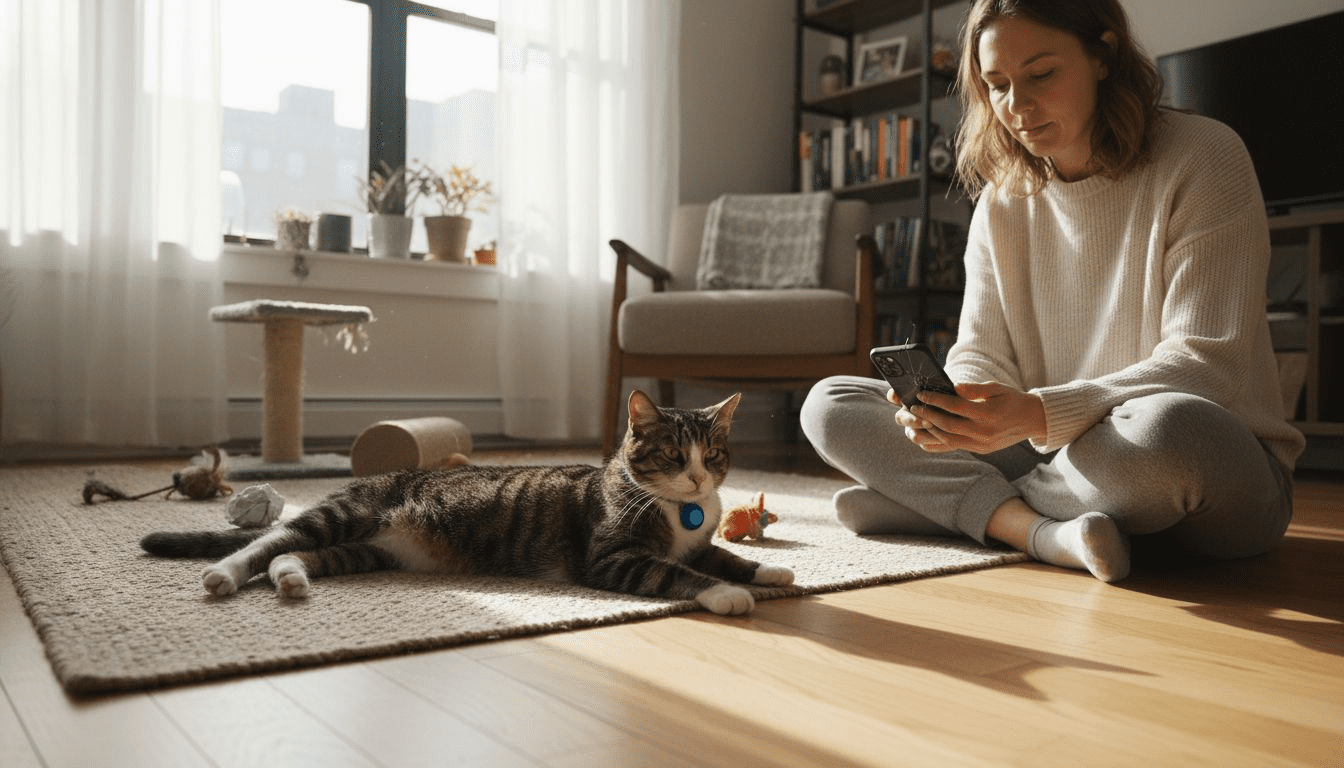
Over one in three American cat owners report losing track of their feline at some point, highlighting a real need for smarter solutions. With daily routines and home security concerns on the rise, more tech-savvy Americans are turning to advanced cat trackers to keep tabs on their companions. This resource unpacks the essential features, technologies, and safety tips that empower you to monitor your pet, strengthen bonds, and protect your home with confidence.
Table of Contents
- Defining Cat Trackers And Core Functions
- Varieties Of Cat Tracking Technologies Explained
- Essential Features Of Smart Cat Trackers
- Comparing Costs, Privacy, And Effectiveness
- Choosing And Using Cat Trackers Safely
Key Takeaways
| Point | Details |
|---|---|
| Cat Trackers Enhance Safety | These devices alert owners when cats leave safe zones, providing peace of mind. |
| Variety of Technologies Available | GPS, Radio Frequency, and Satellite systems cater to different tracking needs. |
| Prioritize Features | Choose trackers with long battery life, secure data transmission, and comprehensive app integration. |
| Safety and Comfort are Key | Ensure devices are lightweight and fitted properly to avoid discomfort for your cat. |
Defining Cat Trackers and Core Functions
Modern cat tracking technology represents a sophisticated solution for pet owners seeking comprehensive monitoring of their feline companions. Cat trackers are specialized devices designed to attach securely to a cat’s collar or harness, enabling real-time location and activity tracking through advanced technological systems.
These smart devices typically utilize multiple positioning technologies including GPS, cellular networks, and radio frequency to provide precise location data. Core tracking functions include geofencing, movement monitoring, and activity level assessment. Unlike traditional pet identification methods, cat trackers offer dynamic, real-time insights into a pet’s whereabouts and behavioral patterns. GPS animal tracking technologies allow owners to create virtual boundaries, receive instant location alerts, and understand their cat’s daily movement routines.
Cat trackers serve multiple critical purposes beyond simple location tracking. They help manage pet safety by alerting owners when cats leave designated safe zones, track exercise and health metrics, and provide peace of mind for indoor/outdoor cat owners. The devices are typically water-resistant, lightweight, and designed to withstand various environmental conditions, ensuring reliable performance during everyday cat adventures.
Pro tip: When selecting a cat tracker, prioritize devices with long battery life, lightweight design, and robust waterproof construction to ensure consistent tracking performance.
Varieties of Cat Tracking Technologies Explained
Cat owners today have access to sophisticated tracking technologies that provide unprecedented insights into their pets’ movements and safety. GPS animal tracking systems represent the most advanced approach, offering real-time location monitoring with remarkable precision and reliability for feline companions.
Three primary tracking technologies dominate the modern pet tracking landscape: GPS trackers, radio frequency (RF) trackers, and satellite-based systems. GPS trackers provide continuous location data using cellular networks, enabling owners to monitor their cat’s exact position in real-time. Radio frequency trackers work differently, utilizing specialized handheld receivers to pinpoint a cat’s location within a limited range, making them ideal for more immediate, localized tracking scenarios. Satellite-based tracking platforms offer advanced capabilities, particularly for cats with extensive outdoor ranges, by collecting data from lightweight transmitters that can operate in remote environments.
Each tracking technology presents unique advantages and limitations. GPS trackers excel in urban and suburban settings with strong cellular coverage, offering detailed movement history and geofencing capabilities. Radio frequency trackers are more battery-efficient and work well in areas with limited cellular infrastructure. Satellite systems provide the most comprehensive coverage but typically come with higher costs and more complex equipment. Modern cat trackers often integrate multiple technologies to provide robust, reliable tracking performance across diverse environments.
Here’s a concise comparison of popular cat tracking technologies:
| Tracking Technology | Coverage Area | Battery Life | Best Use Case |
|---|---|---|---|
| GPS | Urban/suburban | Moderate (days) | Real-time finding, geofencing |
| Radio Frequency | Local only | Long (weeks) | Quick local searches |
| Satellite-Based | Global/remotest | Short-to-moderate | Wide-ranging outdoor cats |
Pro tip: Select a cat tracker that matches your specific environment, considering factors like cellular coverage, battery life, and your cat’s typical movement patterns.
Essential Features of Smart Cat Trackers
Modern cat tracking technology has revolutionized pet monitoring, offering sophisticated tools that go far beyond simple location tracking. Smart cat trackers utilizing Internet of Things (IoT) systems now provide comprehensive insights into a cat’s daily life, health, and movement patterns.
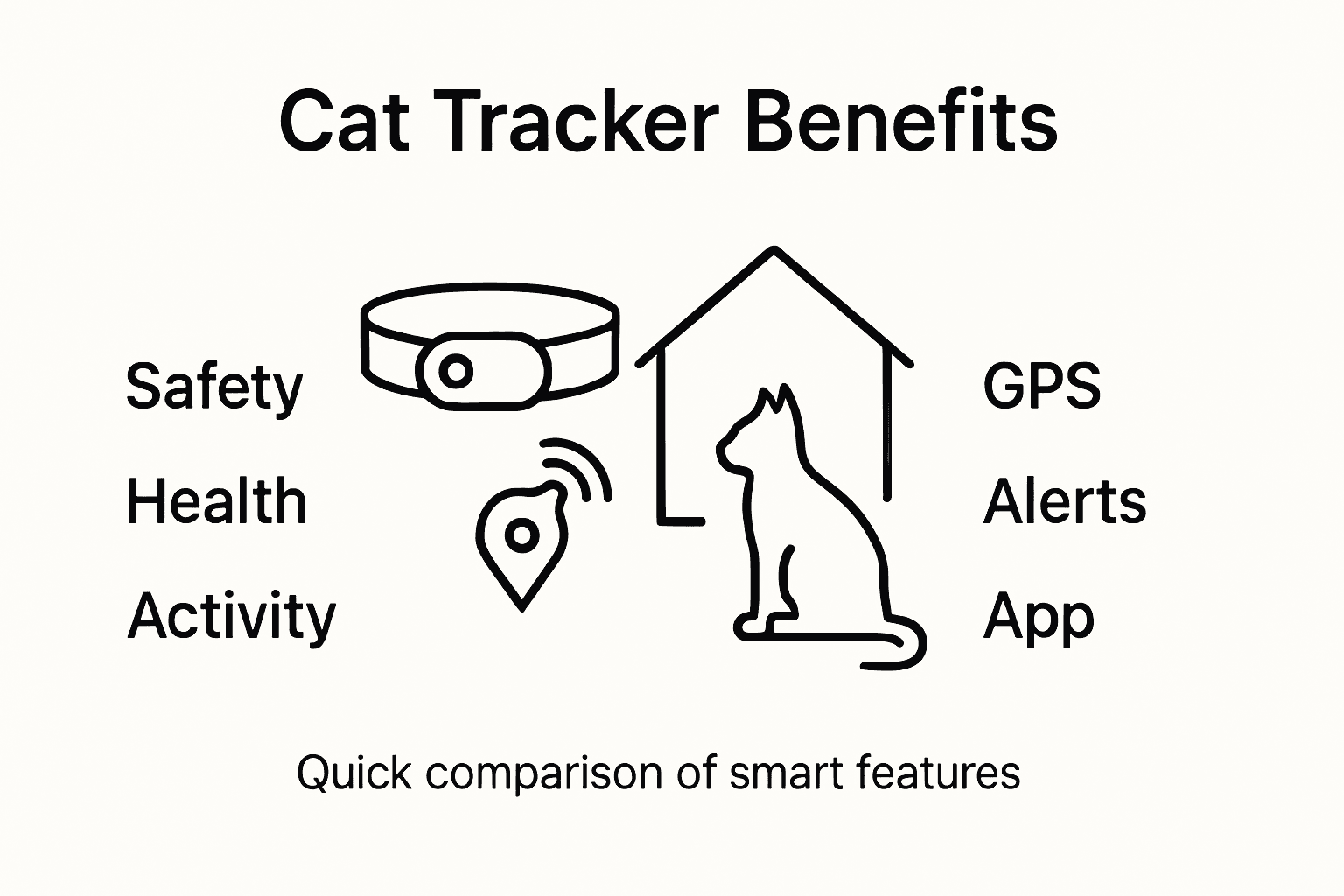
The essential features of contemporary cat trackers encompass a wide range of advanced capabilities. These devices typically include real-time GPS location tracking, allowing owners to monitor their cat’s exact position instantly. Activity monitoring functions track daily exercise, rest periods, and overall physical engagement, providing valuable health insights. Most smart trackers also integrate geofencing technology, which creates virtual boundaries and sends immediate alerts if a cat wanders outside designated safe zones. Additional sophisticated features include environmental sensing capabilities that can measure ambient temperature, humidity, and potential health indicators.
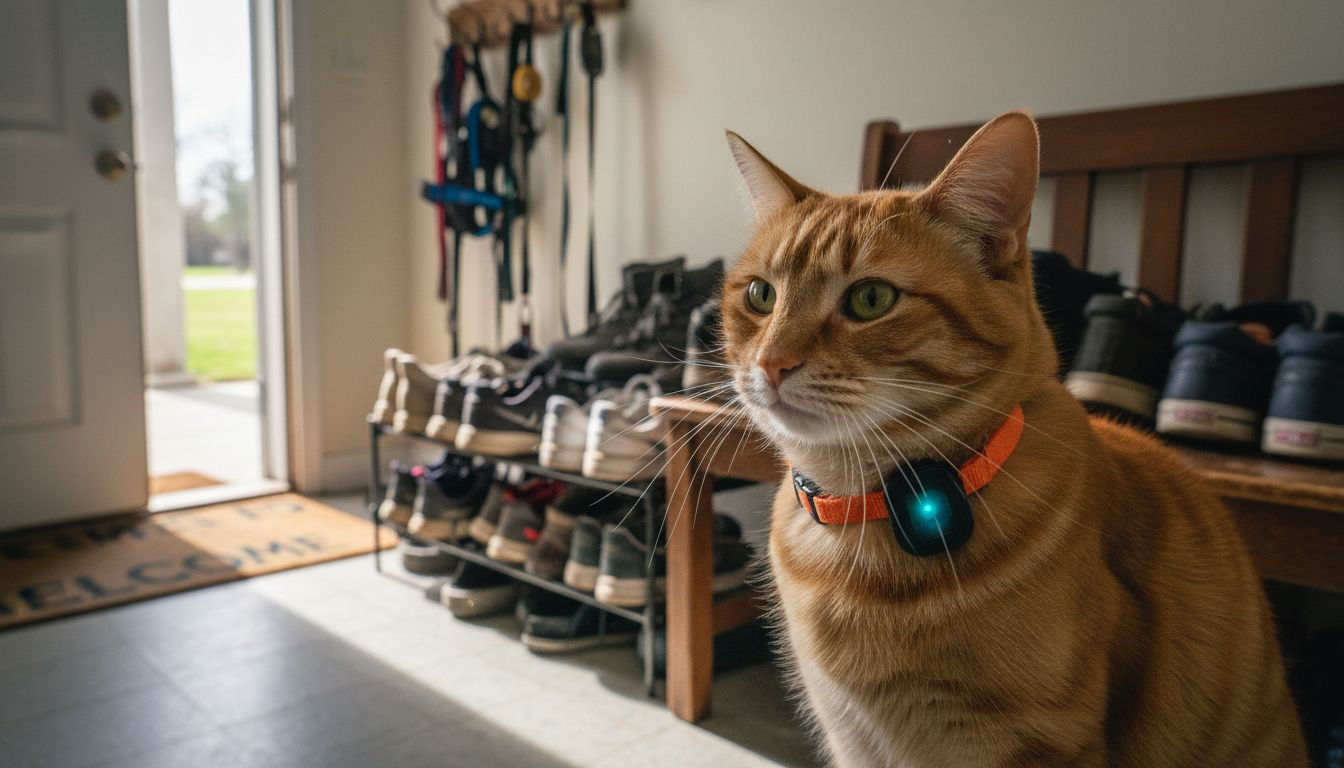
Advanced cat trackers distinguish themselves through intelligent data integration and user-friendly interfaces. Wireless synchronization with smartphone apps enables cat owners to receive instant notifications, view detailed movement histories, and even analyze long-term behavioral trends. The devices are designed to be lightweight, water-resistant, and equipped with long-lasting batteries to ensure consistent performance across various environments. Some models now incorporate machine learning algorithms that can predict potential health issues by analyzing movement patterns and activity levels, transforming these trackers from simple location devices into comprehensive pet health monitoring systems.
Pro tip: Choose a cat tracker with multiple tracking technologies and comprehensive app integration to maximize your pet’s safety and your peace of mind.
Comparing Costs, Privacy, and Effectiveness
Navigating the complex landscape of cat tracking technologies requires a nuanced understanding of their financial, privacy, and performance implications. Cybersecurity and privacy standards significantly influence the effectiveness and cost of IoT tracking devices, making it crucial for cat owners to carefully evaluate their options.
The cost of cat trackers varies widely, typically ranging from $50 to $300, with pricing determined by several key factors. Advanced tracking technologies like GPS and cellular connectivity drive higher price points, while basic radio frequency trackers remain more affordable. Privacy considerations play a critical role in device selection, with more expensive models offering robust encryption and secure data transmission protocols. Performance metrics such as battery life, tracking accuracy, and update frequency also contribute to overall device pricing. Budget-conscious owners might find mid-range trackers striking an optimal balance between functionality and cost, providing essential tracking features without excessive expense.
Effectiveness is measured through multiple dimensions beyond simple location tracking. Top-tier cat trackers integrate sophisticated features like real-time location updates, geofencing, activity monitoring, and health insights. The most advanced models utilize machine learning algorithms to provide predictive analysis of pet behavior and potential health risks. Privacy remains a paramount concern, with leading manufacturers implementing stringent data protection measures to prevent unauthorized access and ensure the security of pet and owner information. Consumers should prioritize devices with transparent privacy policies, secure cloud storage, and comprehensive data encryption techniques.
Pro tip: Prioritize cat trackers that offer a transparent privacy policy and demonstrate clear data protection mechanisms before making your investment.
Choosing and Using Cat Trackers Safely
Ensuring the safety and comfort of your cat while using tracking technology requires careful consideration and informed decision-making. GPS animal tracking devices demand meticulous attention to hardware specifications and proper fitting to prevent potential risks and maximize tracking effectiveness.
Safety considerations begin with selecting an appropriately sized tracker that does not exceed recommended weight limits for your cat. The device should be lightweight, typically less than 2% of the cat’s body weight, to prevent discomfort or movement restrictions. Proper collar attachment is crucial, requiring a secure but comfortable fit that allows natural movement without chafing or potential entanglement. Owners should regularly inspect the tracking device and collar for signs of wear, ensure proper battery maintenance, and check that electronic components remain sealed and waterproof.
Beyond physical device considerations, digital safety plays an equally important role in cat tracker selection. Owners must evaluate the tracker’s data encryption protocols, privacy policies, and potential security vulnerabilities. Recommended practices include selecting devices with secure cloud storage, transparent data handling policies, and robust authentication mechanisms. Some advanced trackers offer additional safety features like movement alerts, temperature monitoring, and geofencing that can provide early warning of potential health or environmental risks for outdoor cats.
The following table summarizes essential safety steps for using a cat tracker effectively:
| Safety Aspect | Key Consideration | Why It Matters |
|---|---|---|
| Device Weight | Under 2% of cat’s body weight | Prevents discomfort or restriction |
| Collar Fit | Secure yet comfortable | Avoids chafing or device loss |
| Data Security | Encrypted data & secure cloud | Protects pet and owner information |
Pro tip: Conduct a thorough 24-hour initial test of any new cat tracker, monitoring your pet’s comfort, device performance, and potential skin irritation before committing to long-term use.
Stay Connected to Your Cat With Smart Pet Tech
Tracking your cat’s location and health with modern cat trackers can transform the way you care for your feline friend. This article highlights challenges like ensuring real-time location updates, maintaining privacy, and choosing the right technology to fit your cat’s lifestyle. Many cat owners seek peace of mind through features like geofencing, activity monitoring, and secure data handling. If you want to go beyond location tracking and explore how technology can ease separation anxiety and enhance monitoring inside your home, smart pet cameras are an excellent complement.
Discover comprehensive insights and detailed product evaluations on smart pet monitoring devices that help you stay close to your cat even when you are apart. Explore our expert Pet Cameras reviews and in-depth Guides & Comparisons to find the best devices combining video quality, two-way communication, and smart alerts designed to fit different pet behaviors and environments.

Empower yourself today with the latest tools to monitor, interact, and secure your cat’s wellbeing. Visit ModernPetTech now to make informed decisions and discover smart solutions that keep your cat safe whether indoors or outdoors. Start your journey to smarter pet care with reliable reviews and trusted guides.
Frequently Asked Questions
What are the core functions of cat trackers?
Cat trackers provide real-time location monitoring, movement tracking, activity level assessment, and geofencing capabilities to help manage your cat’s safety and monitor their daily behaviors.
How do different tracking technologies compare?
GPS trackers offer extensive coverage and real-time tracking, radio frequency trackers are better for localized searches with longer battery life, and satellite systems provide excellent coverage for outdoor cats but are typically more expensive.
What essential features should I look for in a smart cat tracker?
Look for features like real-time GPS tracking, activity monitoring, geofencing technology for safe zone alerts, and an app connection for notifications and data analysis.
How can I ensure the safety of my cat while using a tracker?
Choose a lightweight tracker, ensure a proper collar fit, regularly check for wear and damage, and prioritize devices with strong data encryption and privacy policies.
Recommended
- Cat Camera 2025: Best Smart Cameras for Modern Cat Owners
- Cat Camera With Laser Toy 2025
- Best Pet Camera 2025: Monitor Your Pets Anytime, Anywhere
- Best GPS Dog Tracker Without Subscription
