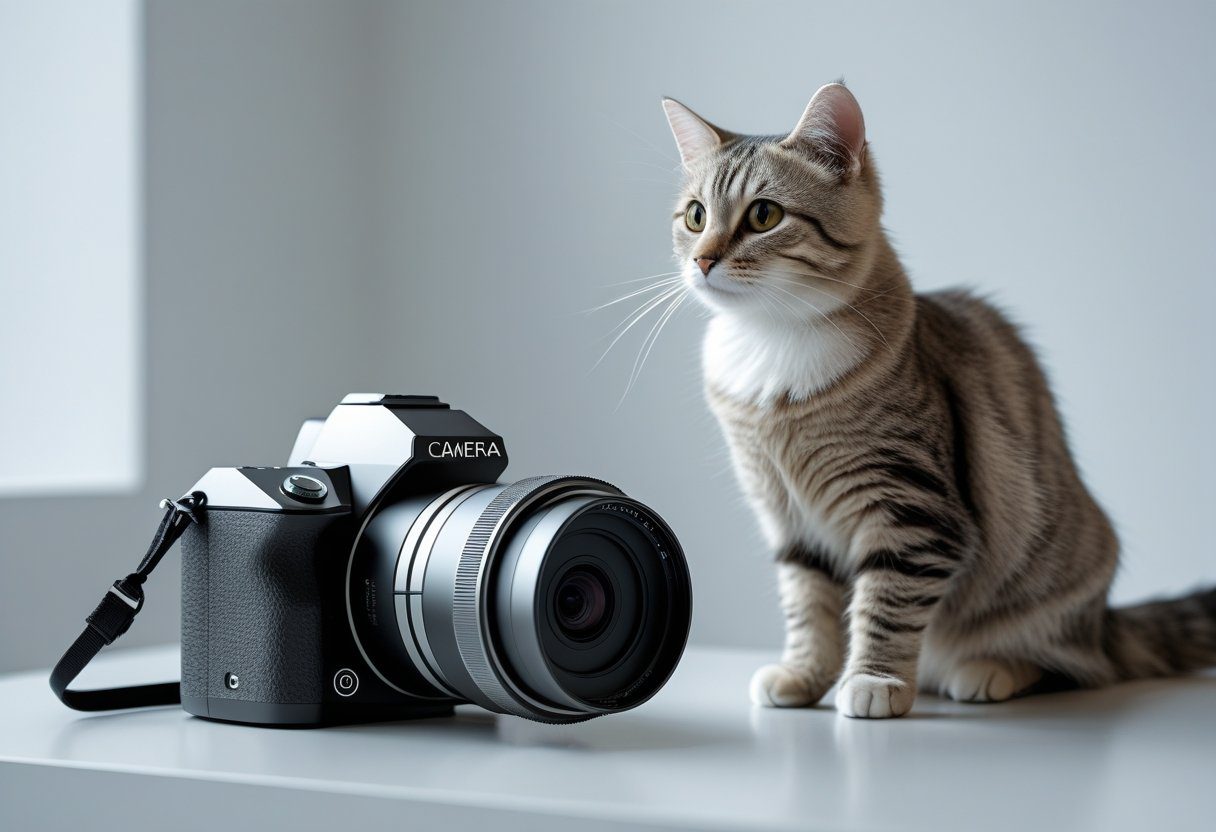
Cat cameras in 2025 offer cat owners a reliable way to see the world through their cat’s eyes while ensuring their safety and well-being. These small, lightweight cat camera 2025 devices can record high-quality video, often in 4K resolution, and many come with features like night vision and live streaming. A modern cat camera combines durability, comfort, and advanced cat camera technology to help owners keep track of their cats’ activities both indoors and outdoors.
Some cat cameras focus on entertainment, capturing playful moments and adventures. Others prioritize security, providing GPS tracking and real-time updates. With options ranging from budget-friendly cat camera models to premium cat camera devices like the GoPro Hero8, cat owners can find a collar cat camera that fits both their needs and their cat’s comfort.
Battery life, image quality, and easy-to-use controls are important factors when choosing a cat camera. Many cat camera devices also offer smart features such as app integration, allowing owners to interact with their cat remotely. As technology improves, choosing the right cat camera becomes easier and more useful for anyone interested in monitoring or sharing their cat’s daily life.
Key Takeways
- Cat cameras provide real-time video and tracking for cat safety and fun.
- Features like night vision and app control improve cat camera usability and monitoring.
- Battery life and comfort are key in selecting the right cat camera for a cat.
What Is a Cat Camera in 2025?
A cat camera in 2025 is a specialized device designed to monitor cats with features that go beyond simple home security. This cat camera combines video, audio, and smart technology to support cat care by tracking behavior, health, and play. These cat cameras offer clear live views and alerts tailored to feline activity.
Key Features of Modern Cat Cameras
Modern cat cameras have high-resolution video, usually at least 1080p, with color or infrared night vision to capture clear images in low light. Two-way audio lets owners talk to their cat, soothing or engaging them remotely. Some cat camera models include interactive elements like laser toys or feeder integration to combine play or feeding with monitoring.
Smart detection is important. These cat cameras filter alerts, recognizing cat movements versus other motion to reduce false notifications. They also offer privacy controls, such as physical lens covers or scheduled off-times, and connect with apps for live streams and cloud storage. Wi-Fi support at 2.4 GHz or 5 GHz improves connection stability for the cat camera.
How Cat Cameras Differ From Regular Security Cameras
Cat cameras focus on feline needs, unlike typical security cameras aimed at general home protection. These cat cameras track vertical movement since cats use shelves and climbing spaces. Their alerts prioritize cat-specific behaviors rather than every motion to avoid unnecessary notifications.
Privacy features are emphasized to protect family and cat comfort. Cat cameras often have built-in interactive tools such as lasers or treat dispensers, which standard security cameras lack. In addition, they use AI to better understand and report cat health and behavior changes, which regular security cams don’t provide.
Typical Use Cases for Cat Cameras
Owners use cat cameras to check on their cats when away from home, ensuring their safety and well-being. They monitor eating habits, especially in multi-cat homes, to prevent food stealing and measure portions. Cat cameras help spot health issues early by tracking litter box visits and activity levels.
Interactive features allow remote play, reducing boredom and anxiety in cats left alone for long periods. Behavior monitoring aids in litter training and understanding stress triggers. Cat cameras also serve as peace of mind for seniors or sick cats, making sure any unusual behavior is caught quickly.
Types of Cat Cameras
Cat cameras come in different styles, each made for specific uses. Some cat cameras stay in one place to watch indoor activity. Others attach to a cat’s collar for live adventures outdoors. Some cat cameras connect with smart home systems to add convenience and extra features.
Standard Indoor Cat Cameras
Indoor cat cameras are set up inside the home. They work like security cameras focused on cats. These cat cameras often have wide lenses to cover rooms where cats spend time. They provide live video and sometimes motion alerts when a cat moves.
Many cat camera models include night vision to track cats in low light. Two-way audio lets owners talk to their cats. These cat cameras are usually plugged in or have long battery life since they don’t move around. Storage can be cloud-based or local on SD cards.
Indoor cat cameras do not follow the cat but give reliable monitoring inside. They suit owners who want to check on their cats remotely during the day or night.
Cat Collar Cameras
Cat collar cameras are lightweight devices attached to a collar, giving a first-person view of a cat’s outdoor life. These cat cameras capture video from the cat’s perspective. Because cats move quickly and push through bushes, these collar cameras must be durable and waterproof.
Important features include strong battery life, comfortable fit, and clear video quality. Many cat collar cameras offer 1080p resolution with some advanced models offering 4K. Battery life often lasts around 1-2 hours per charge in real use.
GPS tracking can be part of collar cameras but often requires a subscription. Magnetic charging is preferred for ease. Owners should introduce collar cat cameras slowly since cats may resist at first.
Smart Home Device Integrations
Some cat cameras connect with smart home systems like Alexa or Google Home. This allows voice commands to view live feeds or receive cat activity alerts. Integration can link cat cameras with other devices such as smart feeders or lights.
Smart setups improve convenience by simplifying how owners monitor their cats. Apps often combine cat camera control, notifications, and storage options in one place. This integration supports advanced features like motion zones focused on cats.
These cat cameras can be either indoor or collar-mounted but must support Wi-Fi and compatible software. They suit tech-savvy owners wanting seamless connection between cat camera monitoring and the rest of the smart home.
Essential Cat Camera Features for Cat Owners
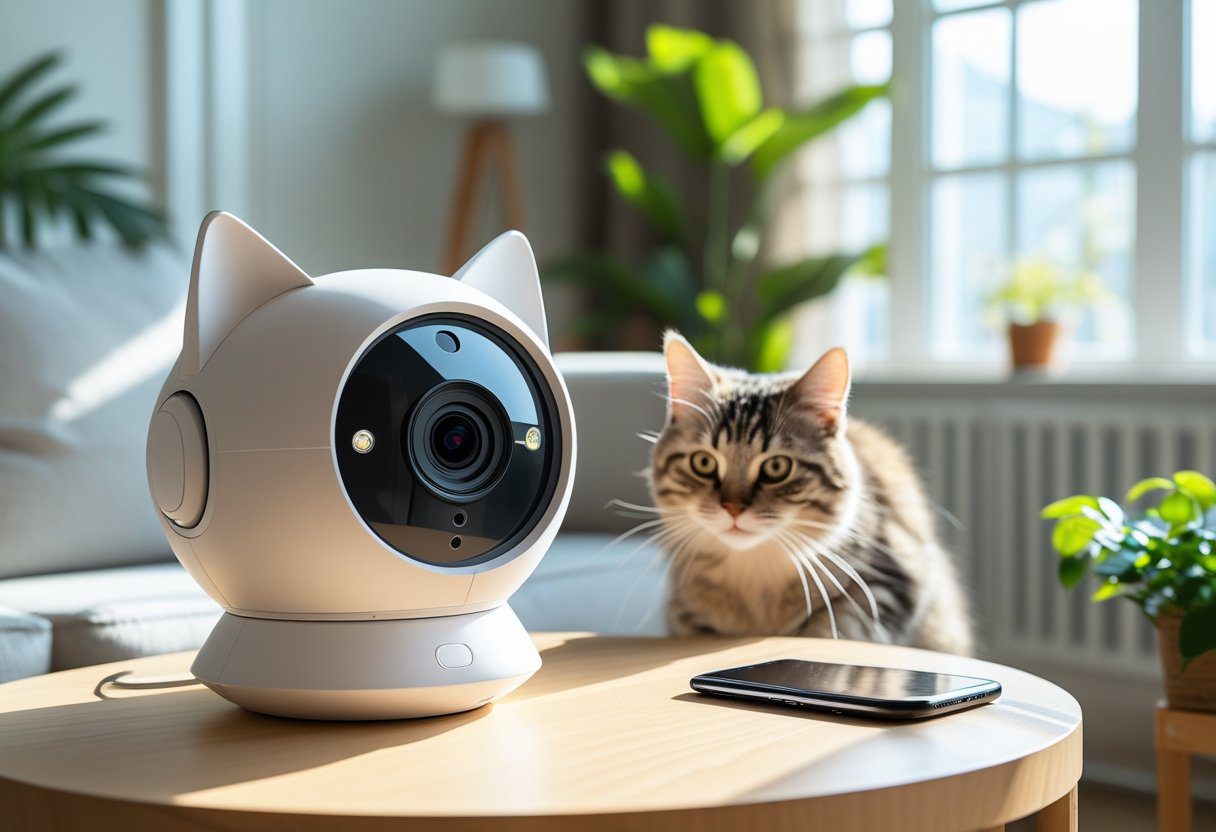
A good cat camera must show clear images in all lighting conditions and cover enough area to capture a cat’s movements. The cat camera also needs to notice activity right away, so owners don’t miss anything important.
Video Quality and Resolution
Cats have small, fast movements, so sharp video is essential. Most quality cat cameras offer at least 1080p HD resolution. This level lets owners see fine details like whiskers, eye color, and subtle behavior.
High video quality helps identify signs of stress or illness early. It also makes watching playful moments more enjoyable with the cat camera. A steady and clear video reduces frustration caused by blurry or pixelated images.
A consistent frame rate matters too. Smooth video at around 30 frames per second captures a cat’s quick jumps and turns without skipping frames or lagging.
Wide-Angle and 360-Degree Views
Cats explore tall shelves and corners, so cat cameras must cover wide areas. A wide-angle lens or 360-degree pan/tilt feature ensures the cat camera captures more than just one spot.
With wide coverage, owners won’t need multiple cat cameras to follow a cat around a room. A cat camera that can move remotely lets users track their cat’s movement in real-time.
Wide or rotating views also prevent blind spots where cats might hide, helping owners monitor behavior like pacing, hiding, or interaction with toys and other pets.
Color Night Vision
Cats are active at dawn, dusk, and night. Cat cameras with color night vision provide clearer, more natural images in low light compared to standard infrared black-and-white views.
This feature uses special sensors to show colors even in near darkness. It helps spot coat patterns and monitor expression or body language when cats are hardest to see.
Clear night vision is especially useful for cats with medical issues or anxiety, as changes overnight can be critical. Owners get a better picture of nighttime activity without disturbing their cat using the cat camera.
Motion Detection Capabilities
Good cat cameras include motion detection that can tell the difference between cats and other moving objects. This reduces false alarms caused by shadows or people walking by.
Smart detection sends alerts to owners only when a cat moves or makes noise. Some cat camera models allow setting custom motion zones, so owners focus on key areas like feeding or litter boxes.
Fast and accurate motion alerts help owners check in quickly if their cat is stressed, hiding, or not eating properly. This cat camera feature supports timely care and peace of mind.
Night Vision Technology in 2025 Cat Cameras
Night vision in 2025 cat cameras has improved to provide clearer images in dark settings. These advances help cat owners see their cats’ activities at night with better detail. Some cat cameras now offer color night vision, which changes how cat owners view their cats’ low-light behavior.
Benefits of Night Vision for Cat Camera Monitoring
Night vision makes it possible to watch cats during nighttime or in dim spaces without disturbing them. Most cat collar cameras use infrared (IR) light to capture black-and-white footage in the dark. This lets cat owners track movements, check for safety, and spot unusual behavior with the cat camera.
With clearer night vision, cat owners can spot things like how their cat interacts with other animals or if it hides in tight spaces. Good cat camera night vision also helps when cats are outdoors or in basements, providing peace of mind without needing extra lighting. Adjustable IR brightness avoids blinding cats while maintaining image clarity.
What Sets Color Night Vision Apart in Cat Cameras
Color night vision shows images in color even in low light, unlike traditional IR cat cameras that produce only black-and-white videos. This cat camera technology uses advanced sensors and sometimes extra lighting to capture colors, making it easier to identify objects and surroundings.
Color night vision helps cat owners see fine details like the color of their cat’s collar or surroundings, which can be useful for identifying specific locations or items. It also offers a more natural viewing experience and can reduce eye strain compared to green or grayscale night vision footage. However, color night vision cat cameras tend to be pricier and may use more battery power.
Audio and Communication Features in Cat Cameras
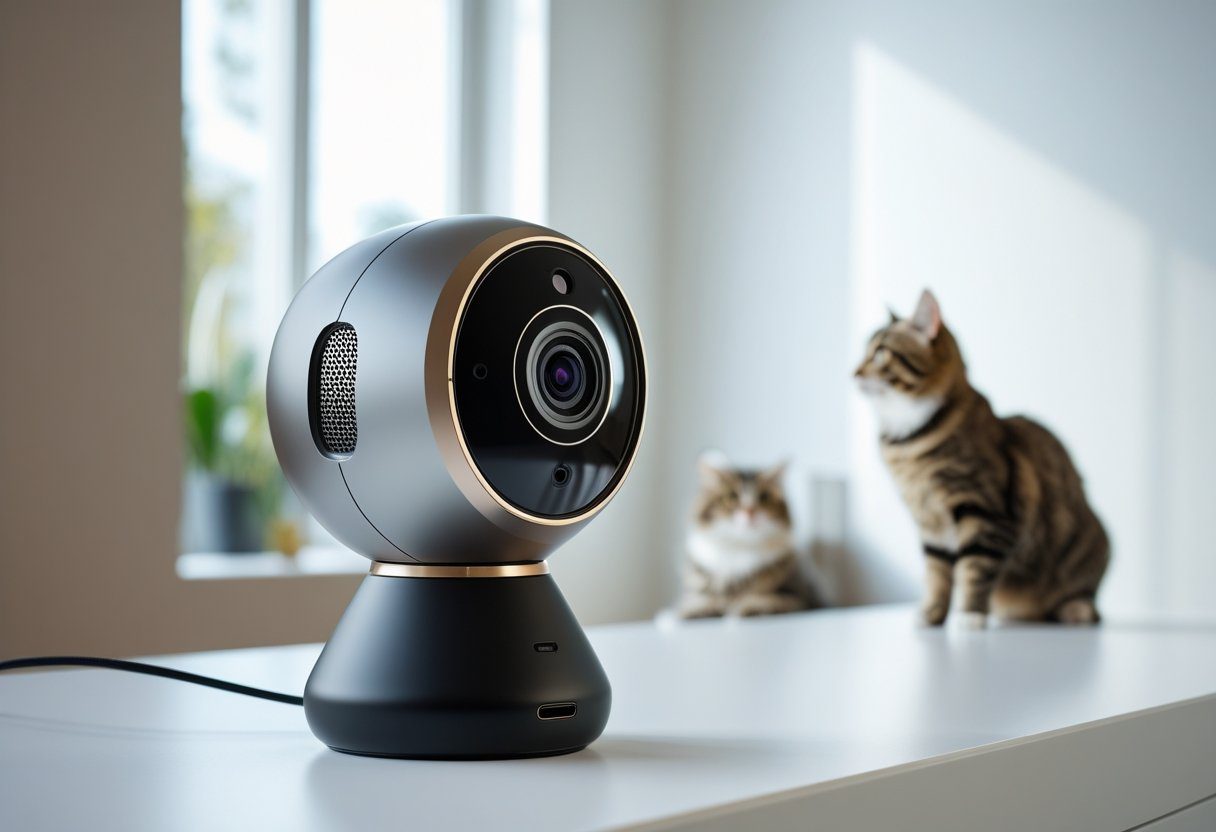
Cat cameras in 2025 often include audio functions to connect cat owners with their cats remotely. Key cat camera features focus on clear sound quality for two-way communication and intelligent alerts that notify owners of relevant noises or movements.
Two-Way Audio Explained
Two-way audio allows cat owners to hear their cat and speak back through the cat camera using a smartphone app. This cat camera feature uses built-in microphones and speakers on the cat camera.
Clear sound quality is essential for a cat camera. Many cat cameras use noise-canceling technology to reduce background noise and avoid startling the cat. The owner’s voice should be warm and natural, not robotic, to keep the cat calm when using a cat camera.
This cat camera feature is useful for calming anxious cats or providing brief interaction during the owner’s absence. Users must adjust cat camera volume and distance to avoid stressing the cat. Some cat camera models include testing options allowing users to gauge their cat’s reaction before regular use.
Sound Alerts and Notifications
Sound alerts notify cat owners when the cat camera detects certain noises like meowing, scratching, or unusual sounds around feeding or litter areas. These cat camera notifications help monitor the cat’s behavior remotely.
Smart cat cameras use pet-specific sound filters to reduce false alerts. For example, random noises triggered by household items or people may be ignored to avoid notification overload on the cat camera app.
Cat camera owners can usually customize alert settings in the cat camera app, choosing which sounds to monitor. This improves relevance and reduces unnecessary interruptions from the cat camera.
Combined with two-way audio, cat camera alerts enable timely responses to potential issues, such as distress or hunger, improving overall cat care.
Storage Options: Cloud vs. Local
Cat cameras store videos either on the internet using cloud services or directly on a device inside the cat camera. Each cat camera storage option has different costs, convenience, and security levels that affect how users manage and view their cat camera footage.
Understanding Cloud Storage Subscriptions
Cloud storage keeps cat camera videos on remote servers, letting users access cat camera footage anytime through apps or websites. This cat camera option is popular for people who want to check on their cats while away.
It usually requires a cat camera subscription that can be monthly or yearly. The cost depends on how much cat camera storage space is needed and which features are included, such as video history length or alerts. Cat camera subscriptions often come with automatic backups and security updates handled by the service provider.
However, cat camera cloud storage depends on internet quality. Poor connections can cause delays or lost cat camera footage. Also, storing cat camera videos on the cloud carries some risk of hacking, even if providers use strong protections.
Local Storage: microSD Card and Device Memory
Local storage saves cat camera videos inside the cat camera itself, usually on a microSD card or built-in memory. This cat camera option has no ongoing fees, making it appealing for budget-conscious cat camera users.
MicroSD cards for cat cameras come in different sizes, typically from 32GB up to 512GB. Higher resolution cat cameras require larger cards to avoid overwriting footage quickly. For example, a 2MP cat camera might fill 15GB per day, so a 256GB card could store more than a week’s footage.
Local cat camera storage requires manual access if users want to watch cat camera videos. There’s no need for internet, which guarantees steady cat camera recording even during outages. However, local cat camera data can be lost if the card is damaged, stolen, or corrupted.
Both cloud and local storage offer clear benefits and downsides for cat cameras, depending on user priorities like cost, access, and security.
Battery Life and Power Solutions
Battery life is a critical factor when choosing a cat camera. The cat camera device needs enough power to record your cat’s movements without frequent recharging. Proper charging habits and understanding cat camera battery limits help maintain consistent monitoring.
How Battery Life Impacts Monitoring
Short cat camera battery life can limit recording time. Most cat collar cameras offer about 2 to 3 hours of use per charge. This means owners might miss long or multiple play sessions if the cat camera runs out of power quickly.
Cat camera battery use also depends on features like video resolution and night vision. Higher-quality cat camera video and extra functions drain batteries faster. In some cat camera models, motion sensing and stabilization affect power consumption.
Cat camera power consumption usually ranges from 0.5 to 1 watt. A standard 1000 mAh battery typically offers around 2-3 hours of cat camera operation. Frequent recharging may be necessary for active cats or extended cat camera recordings.
Best Practices for Battery and Charging
Users should charge the cat camera fully before each use to maximize recording time. It is helpful to carry portable chargers or spare batteries for long outings with the cat camera.
Turning off unnecessary cat camera features like continuous video or night vision can extend battery life. Using cat cameras with energy-saving modes or efficient stabilization technology also helps.
Cleaning cat camera charging ports and using the correct cables prevent slow charging or battery damage. Regularly updating cat camera firmware can improve power management in some cat cameras.
Smart Home Integration and Connectivity
Cat cameras in 2025 offer seamless integration with smart home systems and powerful app controls. Cat cameras connect easily with devices like smart speakers and home hubs. Users benefit from remote access that supports real-time cat camera video, notifications, and interactive features.
Connecting Cat Cameras to Smart Home Ecosystems
Modern cat cameras support popular smart home platforms such as Alexa, Google Home, and Apple HomeKit. This allows users to control cat cameras using voice commands or through the smart home app alongside other devices.
Integration often includes linking cat cameras to smart lights or speakers. For example, the cat camera can trigger specific actions like turning on lights when it detects movement. Some cat cameras also connect with smart feeders, automatically capturing cat camera videos during feeding times.
Compatibility with standards like Zigbee or Matter is becoming common for cat cameras. This ensures cat cameras work smoothly within broader smart home setups. Users get a unified system that manages cat camera pet monitoring alongside security and home automation.
App Features and Remote Access
Most 2025 cat cameras come with dedicated apps that allow live cat camera video streaming and two-way audio communication. Cat camera owners can talk to their cats or play sounds remotely to keep them engaged.
Cat camera apps provide alerts for movement or unusual behavior, often customizable by activity zones inside the home. Night vision streaming is standard, allowing cat camera monitoring even in low light.
Users can record, save, and share cat camera video clips either on cloud storage or local microSD cards. Some cat camera apps include scheduling features to automate when the cat camera is active or notification settings to minimize false alarms. This level of control helps cat camera owners stay connected with their cats anytime, anywhere.
Choosing the Best Cat Camera for Your Needs
Finding the right cat camera means balancing size, video quality, and features like durability or tracking. It’s important to think about how the cat camera will be used, your budget, and your cat’s comfort. Some cat cameras focus on video, while others offer tracking or live streaming.
Factors to Consider Before Buying
Weight and size matter a lot for a cat camera. Cats, especially smaller ones, need a light cat camera—ideally under 5 ounces—to avoid discomfort. A bulky cat camera can annoy or harm them.
Cat camera video quality ranges from basic 720p to 4K. If clarity and detail are important, a cat camera with HD video and image stabilization is best. Still photo options can also vary, with some cat cameras offering better formats like RAW for more editing control.
Durability and waterproofing are critical for outdoor cat cameras. The cat camera should withstand scratching, rain, and rough play. Cat camera battery life is also vital, ranging from about an hour to multiple days, depending on usage and tech like motion sensors.
Comparing Popular Cat Cameras in 2025
The Supoggy Mini Spy Camera is a top cat camera pick for those needing a small, affordable option. It weighs around 2.4 ounces, records 1080p HD cat camera video, and includes night vision but lacks image stabilization and live streaming.
For premium cat camera features, the GoPro Hero8 offers 4K video, live streaming, voice control, and is waterproof. It weighs 4.4 ounces, which may require a harness for smaller cats. Its price is significantly higher but fits cat camera owners wanting professional quality.
The Jiobit Pet Tracker isn’t a cat camera but excels at location tracking with GPS and cellular signals. It weighs 6 ounces and has a long battery life. However, it requires a monthly subscription for full service.
The Kodak PIXPRO SP1 combines toughness with good cat camera video and long battery life but is large and better suited for bigger cats. It offers waterproof and shock-proof design, with cat camera video streaming through an app.
| Camera Model | Weight (oz) | Video Quality | Features | Price Range |
|---|---|---|---|---|
| Supoggy Mini Spy Camera | 2.4 | 1080p HD | Night Vision, Motion Sensor | Budget ($25) |
| GoPro Hero8 | 4.4 | 4K | Live Streaming, Voice Control | Premium ($300+) |
| Jiobit Pet Tracker | 6 | None | GPS, Cellular, Long Battery | Subscription |
| Kodak PIXPRO SP1 | 5.6 | 1080p HD | Waterproof, Shockproof | Mid-Range |
Safety, Privacy, and Maintenance Tips
Keeping both the cat and the owner’s information safe is essential when using a cat camera. Proper cat camera setup, careful use, and regular checks help ensure the cat camera device works well without causing stress or risks.
Ensuring Your Cat’s Comfort and Safety
The cat camera should be placed where it does not disturb the cat’s daily routine. Avoid bright lights or flashing LEDs on the cat camera that could stress the cat. Speakers and two-way audio volume on the cat camera must be set low to prevent startling.
Mount cat cameras at stable, mid-height spots to avoid falls and cover favorite cat areas. Avoid obstructing the cat’s favorite resting spots or pathways with the cat camera. Laser play features on cat cameras should be used in short sessions and supervised to prevent over-stimulation.
Regularly check cat camera cables and mounting fixtures for wear or damage to prevent accidents. Clean cat camera lenses and sensors to maintain clear image quality, using gentle cloths without harsh chemicals.
Protecting Your Data and Privacy
Security cameras, including cat cameras, must have strong, unique Wi-Fi passwords to prevent unauthorized access. Enabling two-factor authentication on the cat camera app adds extra protection.
Choose cat cameras with physical lens covers or quick privacy modes to block viewing when not in use. Cat camera cloud options for video storage should be reviewed closely for data encryption and privacy policies.
Only share cat camera viewing access with trusted people and create separate accounts with limited permissions for family or sitters. Regularly update the cat camera firmware and app to protect against security vulnerabilities.
Frequently Asked Questions
Cat cameras in 2025 offer a mix of high video quality, durability, and smart features. Some cat cameras include GPS tracking and remote monitoring apps, while cat camera battery life varies between models. Subscription fees apply to certain cat camera devices, but options without monthly costs also exist.
Top Cat Camera 2025 Picks for Smart Pet Monitoring
The Supoggy Mini Spy Camera is praised as a cat camera for its small size and affordability. The GoPro Hero8 leads in cat camera video quality with 4K recording and image stabilization. Kodak PIXPRO SP1 is recognized for cat camera durability and good battery life, ideal for active outdoor cats.
Which cat collar cameras come with GPS tracking capabilities?
The Jiobit Pet Tracker is the top option for GPS tracking. It provides accurate location data worldwide using GPS, cellular, WiFi, and Bluetooth. However, it is not a cat camera and requires a subscription for full functionality.
How do the latest cat camera models compare in battery life and features?
The Supoggy Mini Spy Camera offers about 60 minutes of cat camera recording with a small battery but supports extended use via external power banks. Kodak PIXPRO SP1 has the longest cat camera battery life, up to 120 minutes. GoPro Hero8 provides about 50 minutes but includes advanced cat camera features like live streaming.
Are there any cat cameras available without a monthly subscription fee?
Yes, the Supoggy Mini Spy Camera and Kodak PIXPRO SP1 do not require any subscription fees. Only tracking-focused devices like Jiobit often need monthly plans for GPS services.
What advancements have been made in cat camera technology by 2025?
Improved image quality with 4K cat camera video and RAW photo formats has become common. Cat cameras are smaller and lighter, so cats tolerate them better. Night vision and motion sensors extend cat camera recording possibilities. Some cat camera models offer live streaming and app controls.
Can you recommend a cat camera with an app for remote monitoring?
If you’re searching for a cat camera with an app, the Kodak PIXPRO SP1 is notable for its Android app that controls the cat camera and streams video directly to your device. The GoPro Hero8 is another cat camera option, supporting remote control and live streaming through WiFi or Bluetooth, although its size may require using a harness for your cat’s comfort. Both cat cameras offer convenient app integration for remote monitoring of your pet.

11 thoughts on “Cat Camera 2025: The Ultimate Guide to Modern Pet Monitoring”