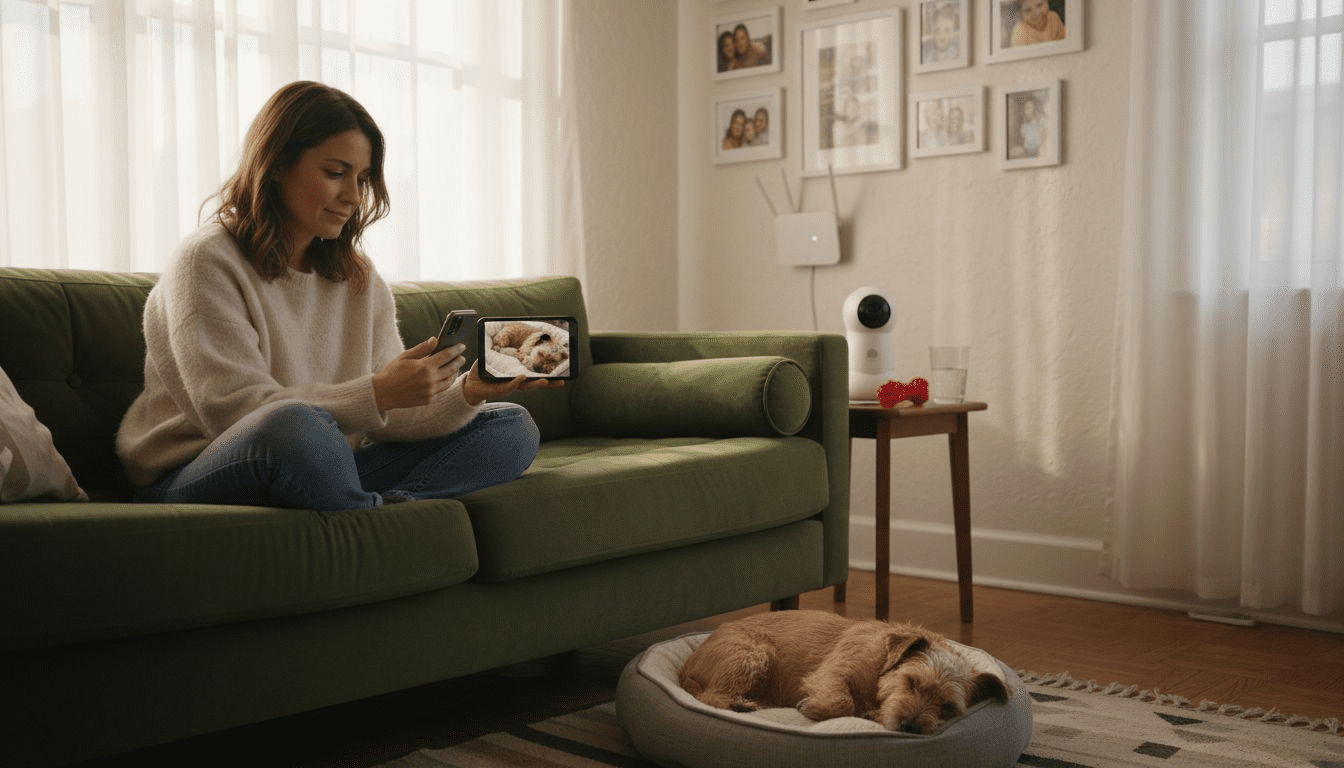
Over fifty percent of American pet owners admit they worry about their pets’ well-being when away from home. Busy schedules and frequent travel make it challenging to stay connected with your furry friends, often leading to stress for both you and your pets. With cutting-edge smart cameras, tech-savvy American pet parents can reduce their pets’ anxiety, maintain peace of mind, and create a more interactive experience even when monitoring remotely.
Table of Contents
- Step 1: Assess Your Home and Pet Monitoring Needs
- Step 2: Research Essential Pet Camera Features
- Step 3: Compare Top Brands and Models
- Step 4: Check for Reliable Connectivity and Security
- Step 5: Test and Verify Camera Performance
Quick Summary
| Key Insight | Explanation |
|---|---|
| 1. Assess Home and Pet Needs | Evaluate your home layout and pet behavior to identify monitoring requirements and risks. |
| 2. Prioritize Essential Features | Research advanced camera features like night vision and two-way audio for effective pet monitoring. |
| 3. Compare Brands and Models | Analyze top brands to find the best pet camera that suits your needs, focusing on technology and cost. |
| 4. Ensure Connectivity and Security | Check WiFi compatibility and security features to protect data and maintain reliable connections. |
| 5. Test Camera Performance | Conduct thorough tests in different conditions to validate video quality, motion detection, and functionality. |
Step 1: Assess Your Home and Pet Monitoring Needs
Successfully choosing the right pet camera starts with understanding your unique home environment and your pet’s specific monitoring requirements. Your goal is to develop a targeted monitoring strategy that addresses your pet’s safety and behavior while fitting seamlessly into your living space.
To begin, carefully evaluate your home’s layout and potential monitoring challenges. Consider factors like room size, lighting conditions, furniture placement, and your pet’s typical movement patterns. Identifying potential risks and resources helps you select a camera system that provides comprehensive coverage. Pay attention to areas where your pet spends most time like sleeping spots, play zones, and potential hazard locations such as staircases or kitchen spaces.
Your assessment should also include understanding your pet’s behavior and specific needs. Some pets require more monitoring due to separation anxiety, medical conditions, or high-energy temperaments. Observe how your pet moves around the home, their typical daily routine, and any unique behavioral characteristics that might necessitate closer surveillance. By combining environmental analysis with pet-specific insights, you can choose a camera system that offers targeted monitoring and peace of mind.
Pro tip: Create a simple home layout sketch marking your pet’s favorite spots and potential monitoring challenge areas to help you select the most strategic camera placement.
Step 2: Research Essential Pet Camera Features
Selecting the right pet camera requires a comprehensive understanding of the advanced technological features that ensure effective remote monitoring and pet care. Your mission is to identify key capabilities that will provide maximum safety and interaction with your furry companion.
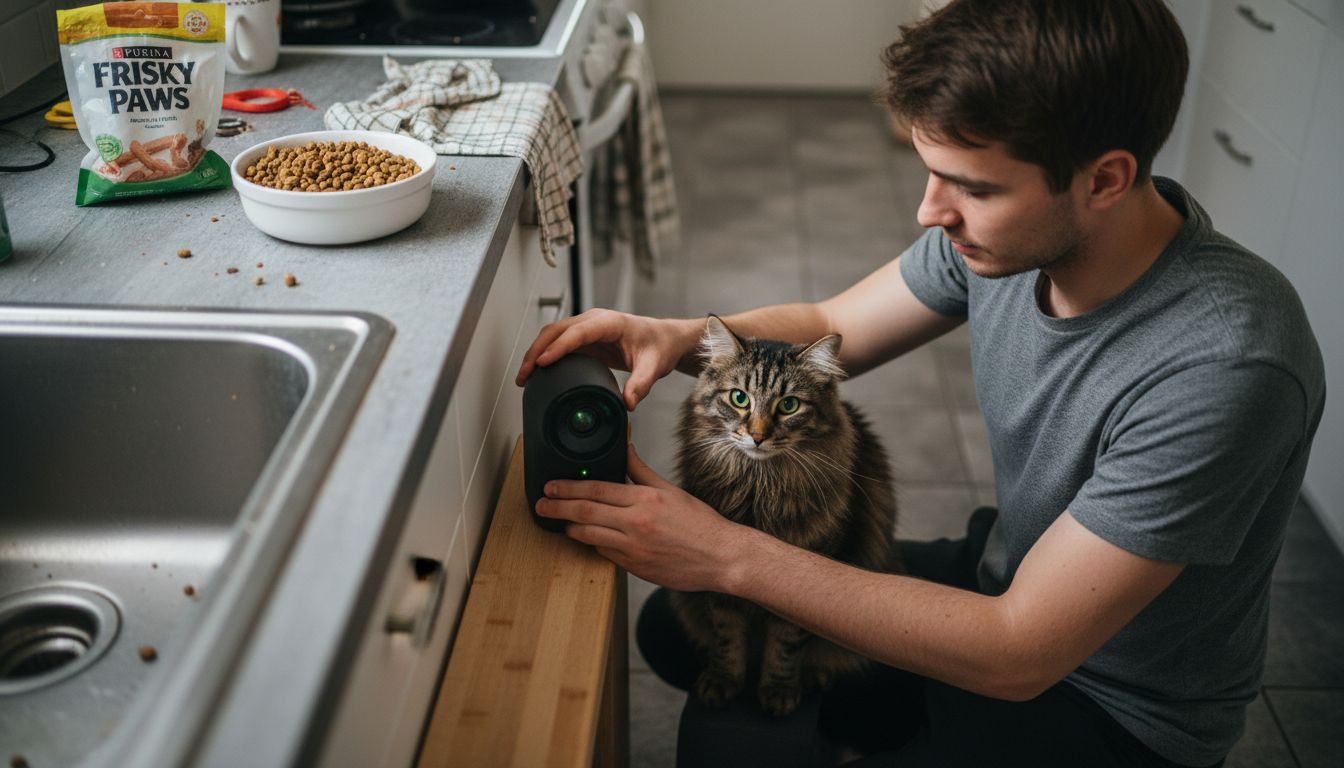
IoT-based monitoring systems have revolutionized pet surveillance by offering sophisticated features beyond traditional tracking methods. Look for cameras with real-time video streaming, two-way audio communication, motion detection, night vision, and environmental sensing capabilities. These advanced technologies allow you to monitor your pet’s activity, behavior, and overall well-being regardless of your physical location. Consider features that go beyond simple video recording such as temperature monitoring, sound alerts, and mobile app integration that enable instant notifications about your pet’s movements and potential health concerns.
When evaluating pet cameras, prioritize systems that balance technological sophistication with user friendly interfaces. Pay attention to video quality, recording storage options, connectivity reliability, and battery performance. Some cameras offer treat dispensing functions, interactive play modes, and cloud storage for recorded footage. By carefully assessing these features, you can select a pet camera that provides comprehensive monitoring while giving you peace of mind about your pet’s safety and comfort.
The table below summarizes essential pet camera features and their benefits:
| Feature | What It Does | Homeowner Benefit |
|---|---|---|
| Two-way audio | Lets you talk to your pet | Eases pet anxiety remotely |
| Night vision | Monitors in low light | Maintains safety overnight |
| Mobile app integration | Access feed anywhere | Instant monitoring alerts |
| Motion detection | Alerts for movements | Real-time event awareness |
Pro tip: Create a checklist of must-have features before shopping to ensure you select a pet camera that meets your specific home and pet monitoring requirements.
Step 3: Compare Top Brands and Models
Narrowing down the perfect pet camera requires a strategic approach to comparing top brands and their unique monitoring capabilities. Your goal is to identify a solution that matches your specific pet and home monitoring needs with precision and reliability.
Comprehensive security camera reviews reveal critical insights into top pet camera brands like SimpliSafe, Ring, and Wyze. When comparing models, focus on key performance metrics such as video resolution, field of view, night vision quality, two-way audio capabilities, and smart home integration. Pay close attention to additional features like treat dispensing, motion detection zones, cloud storage options, and mobile app functionality. Each brand offers distinct advantages some prioritizing high-definition video quality while others excel in interactive features like remote treat tossing or laser play modes.
Beyond technological specifications, consider practical aspects such as pricing structures, subscription requirements, and long-term value. Some cameras offer free basic storage with optional cloud upgrades, while others mandate monthly subscriptions for full feature access. Evaluate the total cost of ownership including initial device price, potential subscription fees, and compatibility with your existing smart home ecosystem. Look for brands that provide consistent firmware updates, responsive customer support, and robust data security to ensure a reliable and secure pet monitoring experience.
Here’s a quick comparison of popular pet camera brands and their strengths:
| Brand | Strengths | Unique Feature |
|---|---|---|
| SimpliSafe | Strong video quality | Smart home integration |
| Ring | Motion zones, app support | Custom activity alerts |
| Wyze | Affordable, cloud options | Interactive play modes |
Pro tip: Create a side-by-side comparison spreadsheet with your must-have features to objectively evaluate different pet camera models and identify the best match for your specific needs.
Step 4: Check for Reliable Connectivity and Security
Ensuring your pet camera provides both seamless connectivity and robust security is critical for effective remote monitoring. Your primary objective is to select a device that maintains a stable connection while protecting your personal and pet data from potential vulnerabilities.
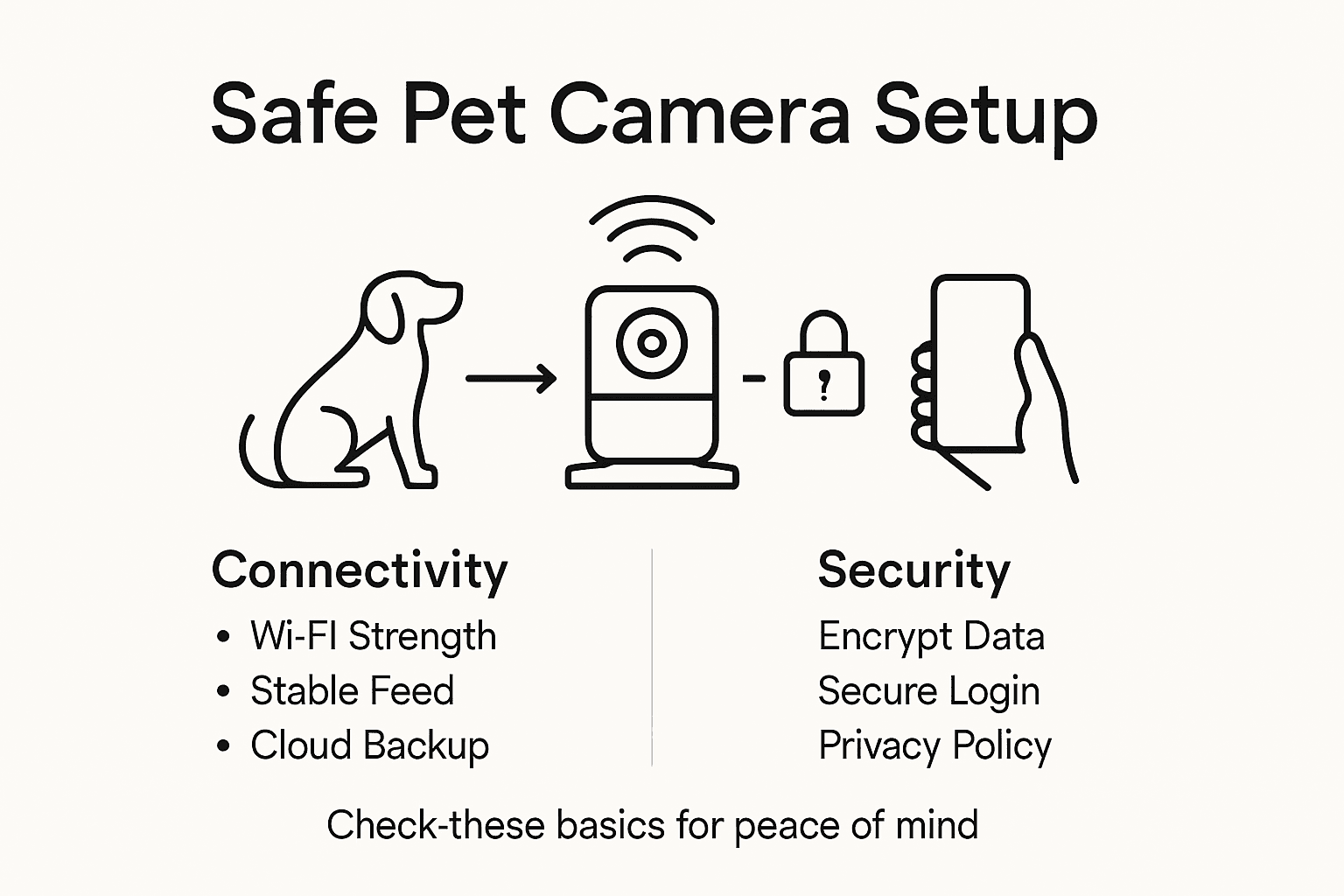
IoT device security protocols play a crucial role in safeguarding your pet monitoring system. When evaluating connectivity, examine the camera’s WiFi compatibility, bandwidth requirements, and signal strength across different home environments. Look for cameras supporting dual band WiFi 2.4GHz and 5GHz networks, which provide more stable connections and reduced interference. Pay attention to encryption standards like WPA3, secure login procedures, and two factor authentication options that prevent unauthorized access to your pet camera feed. Verify the manufacturer’s commitment to regular firmware updates and vulnerability patches to ensure ongoing protection against emerging cybersecurity threats.
Beyond technical specifications, consider the broader ecosystem of data privacy and security. Investigate the camera manufacturer’s data handling policies, understanding how video footage is stored, transmitted, and potentially shared. Some cameras offer local storage options through SD cards, which can provide an additional layer of privacy compared to cloud-based solutions. Check for features like end to end encryption, the ability to disable audio recording, and granular privacy controls that allow you to manage who can access your pet monitoring system.
Pro tip: Create a dedicated WiFi network for your smart home devices to isolate potential security risks and prevent unauthorized access to your primary network.
Step 5: Test and Verify Camera Performance
Evaluating your pet camera’s performance requires a systematic approach to ensure reliable monitoring and peace of mind. Your goal is to thoroughly assess the device’s capabilities under various home conditions and verify its effectiveness in real world scenarios.
Quality control procedures are essential for confirming your pet camera’s reliability. Start by testing the camera in different lighting conditions including bright daylight, low light, and complete darkness to verify night vision capabilities. Check video resolution and clarity by observing details like pet fur texture, distant object recognition, and color accuracy. Assess the camera’s motion detection sensitivity by walking around different areas of your home and verifying the system generates accurate alerts without excessive false triggers. Test two way audio functionality by playing sounds and speaking through the device to confirm clear communication and minimal audio lag.
Beyond technical performance, evaluate the camera’s practical functionality in your specific home environment. Verify WiFi connection stability by monitoring video stream consistency across different rooms and potential interference zones. Test mobile app responsiveness, checking how quickly you receive notifications and can access live feed. Simulate various scenarios like pet movement, unexpected sounds, or environmental changes to ensure the camera provides comprehensive monitoring. Pay attention to battery life for wireless models, recording storage capabilities, and smooth integration with your existing smart home ecosystem.
Pro tip: Conduct performance tests during different times of day and in multiple home locations to comprehensively validate your pet camera’s monitoring capabilities.
Find the Perfect Pet Camera for Your Home and Pet
Choosing the right pet camera for safer remote monitoring means overcoming challenges like ensuring reliable connectivity, capturing clear video, and easing your pet’s anxiety while you are away. If you want to make confident decisions about features like two-way audio, night vision, and treat dispensing, it helps to have expert guidance tailored to your needs and home environment.
Discover how to match your unique requirements with top-performing devices on Pet Cameras – ModernPetTech: Treat-Dispensing Pet Camera Reviews.
Start by exploring detailed comparisons and educational resources at Guides & Comparisons – ModernPetTech: Treat-Dispensing Pet Camera Reviews to understand which technologies deliver peace of mind through effortless remote interaction and pet safety monitoring. Visit ModernPetTech today to unlock the full potential of smart pet monitoring and keep your furry friend safe and happy while you are away.
Frequently Asked Questions
How do I assess my home and pet monitoring needs before choosing a pet camera?
To assess your home and pet monitoring needs, evaluate your home’s layout and your pet’s behavior. Identify areas where your pet spends time and potential risks, then consider these factors when selecting camera placement and features.
What essential features should I look for in a pet camera?
Key features to consider include real-time video streaming, two-way audio, motion detection, and night vision. Make a checklist of must-have features to ensure you select a pet camera that meets your specific monitoring requirements.
How can I compare different brands and models of pet cameras?
To effectively compare brands and models, focus on performance metrics like video resolution, night vision quality, and smart home integration. Create a side-by-side comparison chart of the features that matter most to your pet and home situation.
Why is reliable connectivity and security important for a pet camera?
Reliable connectivity ensures your pet camera maintains a stable feed, while strong security protects your data. Research the camera’s WiFi compatibility and encryption standards to confirm its capability to safeguard your information.
What steps should I take to test the performance of my pet camera?
Test your pet camera under various conditions, such as different lighting scenarios and areas within your home. Confirm features like motion detection and two-way audio work as intended to ensure reliable monitoring.
How can I ensure my pet camera integrates well with my smart home system?
Check for compatibility with other smart devices and assess whether the camera supports apps or services you already use. This integration can enhance convenience and control, providing a seamless experience across your smart home ecosystem.
Recommended
- Pet Camera Reviews & Smart Pet Tech Guides | ModernPetTech
- budget pet camera under $50 | cheap pet cameras that work
- Cat Camera 2025: Best Smart Cameras for Modern Cat Owners
- Best Pet Camera 2025: Monitor Your Pets Anytime, Anywhere
- Pet Alert System Overview: Enhancing Safety and Independence – iPupPee

2 thoughts on “How to Choose Pet Camera for Safer Remote Monitoring”