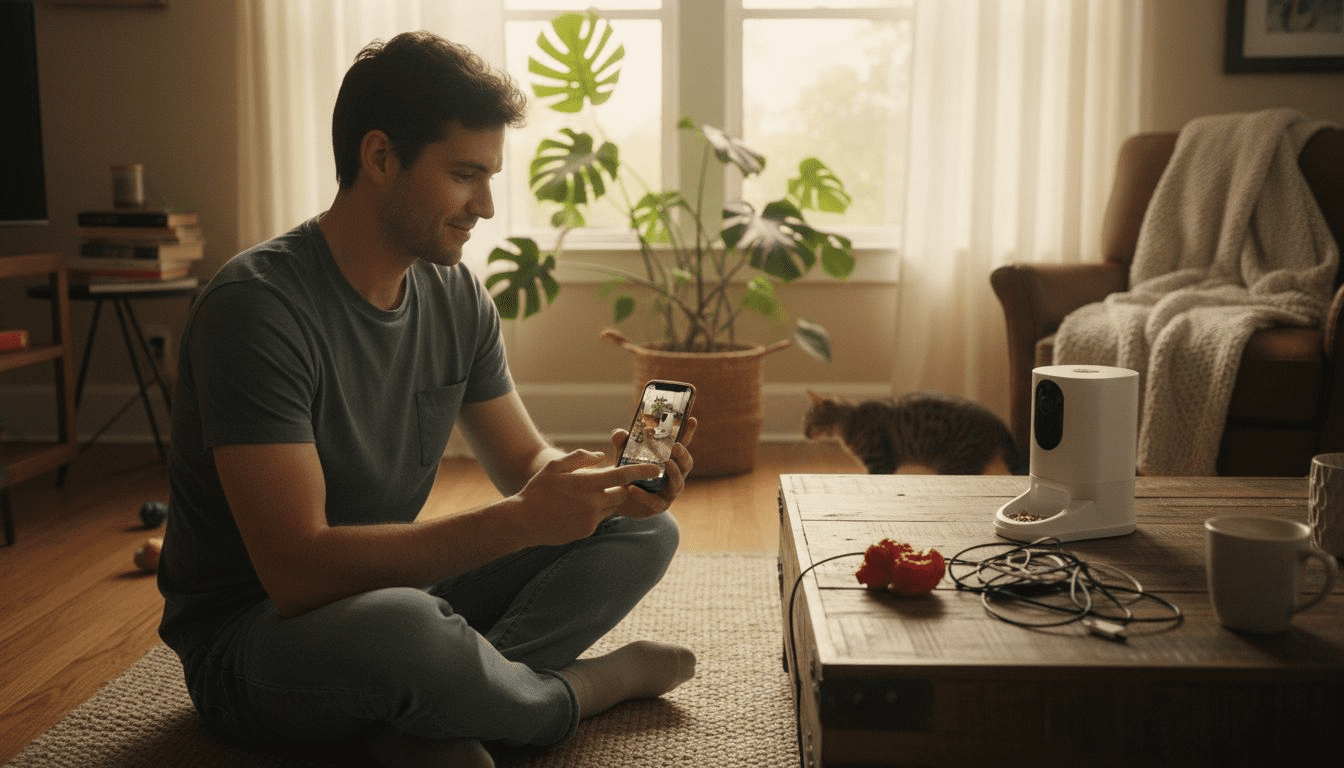
Nearly forty percent of American dog owners report that their pets struggle with separation anxiety when left alone. With rapidly advancing smart technologies, monitoring and remote interaction tools are redefining the way tech-savvy owners connect with their pups from anywhere. Clear explanations of pet camera terms empower you to choose features that truly help reduce stress, strengthen bonds, and keep a close eye on your canine’s well-being at all times.
Table of Contents
- Defining Pet Camera Terminology And Concepts
- Types Of Pet Cameras And Feature Distinctions
- Key Terms: Video Quality, Audio, Alerts, Treats
- Smart Alerts, Monitoring, And Interaction Explained
- Safety, Privacy, And Common Misconceptions
Key Takeaways
| Point | Details |
|---|---|
| Understand Key Features | Familiarize yourself with essential pet camera features like motion detection, two-way audio, and night vision to enhance pet monitoring. |
| Choose the Right Type | Select a pet camera type—video-only, interactive, health monitoring, or smart home integration—based on your specific needs and pet behavior. |
| Prioritize Privacy and Security | Utilize strong passwords, two-factor authentication, and regular updates to protect your pet camera from unauthorized access. |
| Evaluate Interaction Capabilities | Consider cameras with treat-dispensing and real-time communication features for improved engagement with your pet. |
Defining Pet Camera Terminology and Concepts
Pet camera technology has rapidly evolved, transforming how tech-savvy pet owners monitor and interact with their furry companions. Understanding the fundamental terminology is crucial for making informed decisions about these sophisticated devices. Advanced monitoring technologies now enable pet owners to bridge physical distance through intelligent digital solutions.
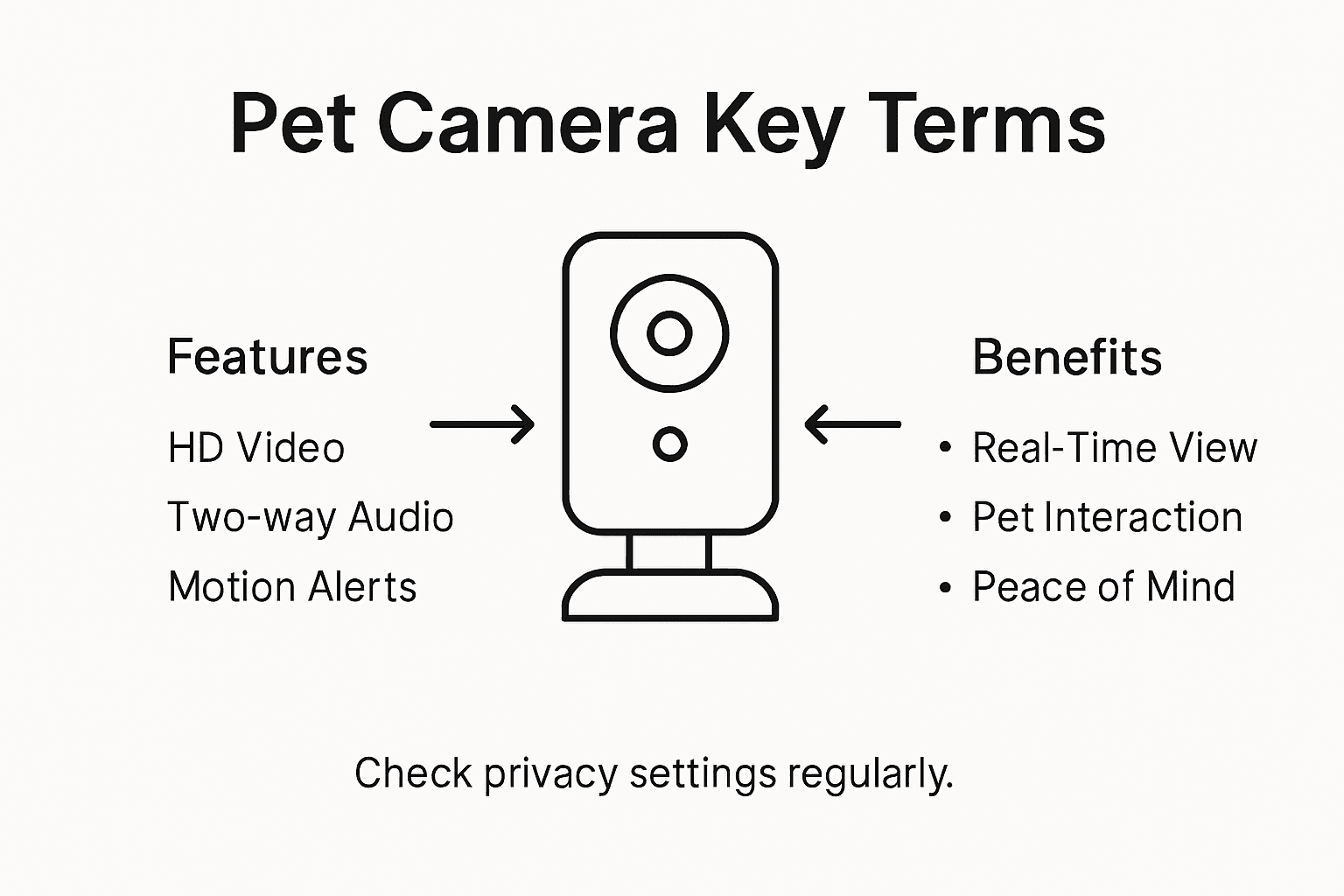
Key components of modern pet cameras extend far beyond simple video streaming. Motion detection allows cameras to track pet movement, sending real-time alerts when unusual activity occurs. Two-way audio enables direct communication, letting owners speak to and hear their pets remotely. Night vision technology ensures clear monitoring even in low-light conditions, providing 24/7 visibility into pets’ environments. Treat dispensing features represent another innovative interaction method, allowing owners to reward or engage pets from anywhere using smartphone applications.
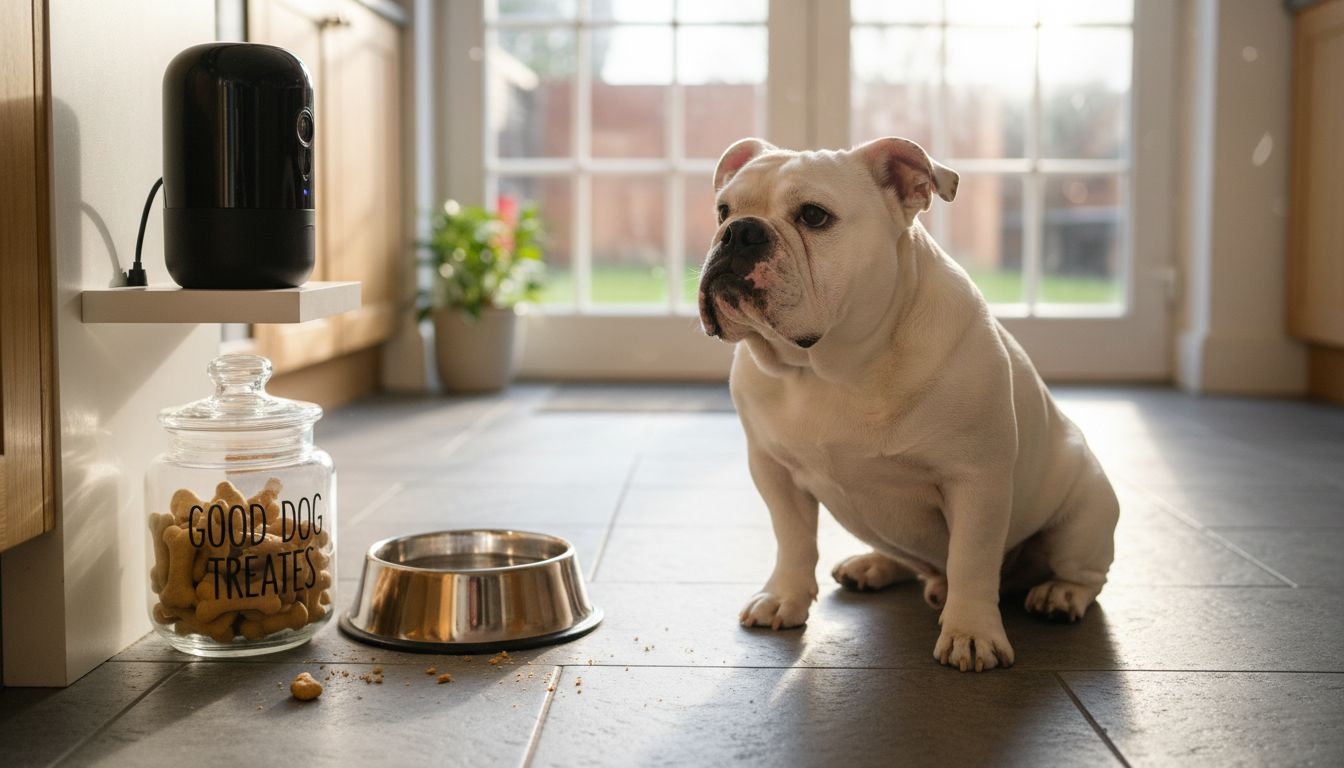
These smart technologies integrate multiple sensors and communication protocols to create comprehensive pet monitoring systems. High-resolution video streaming, wide-angle lenses, and cloud storage capabilities transform pet cameras from passive observation tools into interactive pet care platforms. Indoor pet behavioral understanding becomes more nuanced with these technological advances, helping owners address separation anxiety, monitor pet health, and maintain emotional connections.
Pro tip: Before purchasing a pet camera, assess your specific monitoring needs by considering your pet’s behavior, home layout, and desired interaction features to select the most appropriate device.
Types of Pet Cameras and Feature Distinctions
Advanced pet monitoring technologies have revolutionized how pet owners interact with and care for their animals, creating distinct categories of pet cameras with unique capabilities. Understanding these different types helps tech-savvy owners select the most appropriate device for their specific needs. Modern pet cameras range from basic video streaming devices to sophisticated interactive systems that provide comprehensive pet monitoring and engagement.
The primary categories of pet cameras can be broadly classified into several key types:
- Video-Only Cameras: Basic models providing simple video streaming without additional interactive features
- Interactive Cameras: Advanced devices with two-way audio, treat dispensing, and real-time communication capabilities
- Health Monitoring Cameras: Specialized cameras that track pet movement, vital signs, and behavioral patterns
- Smart Home Integration Cameras: Devices that connect with broader smart home ecosystems for seamless pet monitoring
Indoor pet monitoring research reveals that the most advanced cameras now offer nuanced features beyond traditional surveillance. Sophisticated models include motion tracking, sound detection, temperature monitoring, and even artificial intelligence-powered behavior analysis. These technologies enable pet owners to gain unprecedented insights into their pets’ daily activities, emotional states, and potential health concerns.
The table below compares key types of pet cameras based on their primary focus and advanced features:
| Camera Type | Primary Purpose | Typical Features |
|---|---|---|
| Video-Only | Basic remote observation | Live feed, standard video |
| Interactive | Two-way engagement and care | Audio, treat dispenser, chat |
| Health Monitoring | Pet health and activity tracking | Motion, behavior, health sensors |
| Smart Home Integration | Full-home tech coordination | App sync, automation, alerts |
Pro tip: Evaluate your specific monitoring needs by considering your pet’s personality, home environment, and your primary goals – whether it’s addressing separation anxiety, ensuring safety, or maintaining remote interaction.
Key Terms: Video Quality, Audio, Alerts, Treats
Pet monitoring features represent a sophisticated ecosystem of technological capabilities designed to help owners maintain continuous connection with their pets. Understanding the key technical terminologies is crucial for selecting the right pet camera that meets specific monitoring needs. Modern pet cameras integrate multiple advanced technologies to provide comprehensive remote observation and interaction.
Video quality in pet cameras is defined by several critical parameters:
- Resolution: Measured in pixels (HD = 720p, Full HD = 1080p, 4K = 2160p)
- Frame Rate: Number of images displayed per second (typically 30 fps for smooth video)
- Field of View: Horizontal viewing angle (wide-angle lenses range from 110 to 180 degrees)
- Night Vision: Infrared capabilities allowing clear monitoring in low-light conditions
Two-way audio technologies enable real-time communication between owners and pets, featuring noise-reduction microphones and speaker systems that transmit clear sound. Technological alert systems provide sophisticated monitoring through motion detection, sound recognition, and customizable notification preferences. Treat dispensing mechanisms have evolved from simple remote triggers to AI-powered interactive reward systems that can be programmed based on pet behavior and owner preferences.
Pro tip: Prioritize pet cameras with at least 1080p resolution, wide-angle lens, and reliable two-way audio to ensure comprehensive monitoring and interaction with your pet.
Smart Alerts, Monitoring, and Interaction Explained
Smart home monitoring technologies have revolutionized pet care by providing unprecedented visibility into pets’ daily activities. These advanced systems transform traditional pet surveillance into an interactive, intelligent monitoring experience that bridges physical distance between owners and their animal companions. Modern pet cameras go beyond simple video streaming, offering comprehensive insights into pet behavior and well-being.
Smart alert mechanisms provide multiple layers of monitoring and interaction:
- Motion Detection: Tracks pet movement and sends instant notifications
- Sound Recognition: Identifies unusual noises like barking, whining, or potential distress signals
- Behavior Tracking: Analyzes pet activity patterns and potential anomalies
- Geographic Zones: Allows custom monitoring of specific home areas
Interactive pet monitoring systems enable real-time communication and intervention. These technologies integrate advanced sensors, machine learning algorithms, and cloud-based processing to provide nuanced understanding of pet behavior. Owners can receive customized alerts, engage in two-way audio communication, and even dispense treats or activate interactive toys remotely, transforming passive observation into active care.
Pro tip: Configure multiple alert types and sensitivity levels to balance comprehensive monitoring with avoiding notification fatigue, ensuring you stay informed without being overwhelmed by constant updates.
Safety, Privacy, and Common Misconceptions
Smart home device privacy concerns have become increasingly critical as pet cameras integrate deeper into home monitoring systems. Tech-savvy pet owners must understand the nuanced landscape of digital privacy, recognizing that these sophisticated devices can potentially expose sensitive personal and animal behavior data if not configured carefully.
Common misconceptions about pet camera privacy and security include:
- Data Collection: Assuming all recorded data remains private
- Network Security: Believing built-in security features are foolproof
- Access Control: Thinking only authorized users can access camera feeds
- Information Storage: Expecting automatic deletion of recorded content
Digital surveillance technologies require comprehensive understanding and proactive management. Pet owners should prioritize devices with robust encryption, frequent firmware updates, and transparent data handling policies. Key privacy protection strategies involve using strong, unique passwords, enabling two-factor authentication, regularly reviewing device permissions, and understanding the specific data collection practices of each pet camera manufacturer.
For quick reference, here is a summary of crucial privacy and security best practices for pet camera users:
| Practice | Purpose | Benefit to Owner |
|---|---|---|
| Strong passwords | Prevent unauthorized access | Enhanced account security |
| Enable 2FA | Adds a secondary login step | Reduces breach likelihood |
| Regular firmware updates | Patch security vulnerabilities | Protects device and data |
| Review permissions | Limit data and camera access | Greater privacy control |
Pro tip: Conduct a monthly privacy audit of your pet camera settings, reviewing access logs, deleting unnecessary recordings, and updating passwords to maintain optimal security protection.
Master Pet Camera Terminology and Choose the Perfect Device for Your Pet
Navigating the complex world of pet camera features like resolution, two-way audio, and smart alerts can feel overwhelming. This article sheds light on key terms every tech-savvy pet owner should know to ensure the best remote connection with their furry friends. If you want to dive deeper and find the perfect pet camera tailored to your pet’s behavior and your home setup visit our dedicated Pet Cameras section.
Discover detailed reviews and comparisons that decode advanced features such as treat dispensing and night vision. Act now to reduce your pet’s separation anxiety and improve safety through smart, informed choices. Explore expert guides and product insights today at ModernPetTech and see how technology can transform your pet care routine. Start your journey with our Guides & Comparisons and in-depth Reviews to make confident decisions that benefit both you and your pet.
Frequently Asked Questions
What features should I look for in a pet camera?
When selecting a pet camera, prioritize features like high video resolution (at least 1080p), two-way audio for communication, night vision capabilities, and treat dispensing options to ensure comprehensive monitoring and interaction with your pet.
How does motion detection work in pet cameras?
Motion detection technology in pet cameras tracks your pet’s movement and sends instant alerts to your smartphone, allowing you to monitor unusual activities or ensure your pet’s safety.
What is the difference between interactive and video-only pet cameras?
Video-only cameras provide basic video streaming without any interactive features, while interactive cameras include two-way audio, treat dispensing, and real-time communication, enhancing engagement between you and your pet.
How can I ensure the privacy and security of my pet camera?
To maintain the privacy and security of your pet camera, use strong, unique passwords, enable two-factor authentication, regularly update firmware, and frequently review permissions to control data access.
Recommended
- Pet Camera Reviews & Smart Pet Tech Guides | ModernPetTech
- Cat Camera 2025: Best Smart Cameras for Modern Cat Owners
- Discount Pet Camera Review | Best Affordable Pet Cams 2025
- Pet Cameras: The Ultimate Guide for Pet Owners in 2025 – ModernPetTech: Treat-Dispensing Pet Camera Reviews
- WiFi Automatic Cat Feeder for 2 Cats – 4L Smart Food Dispenser with App – Pawfect Picks
- Pet Family Photo: Everything You Need to Know – The Family Portrait Companys

1 thought on “Pet Camera Terminology: What Tech-Savvy Owners Need”