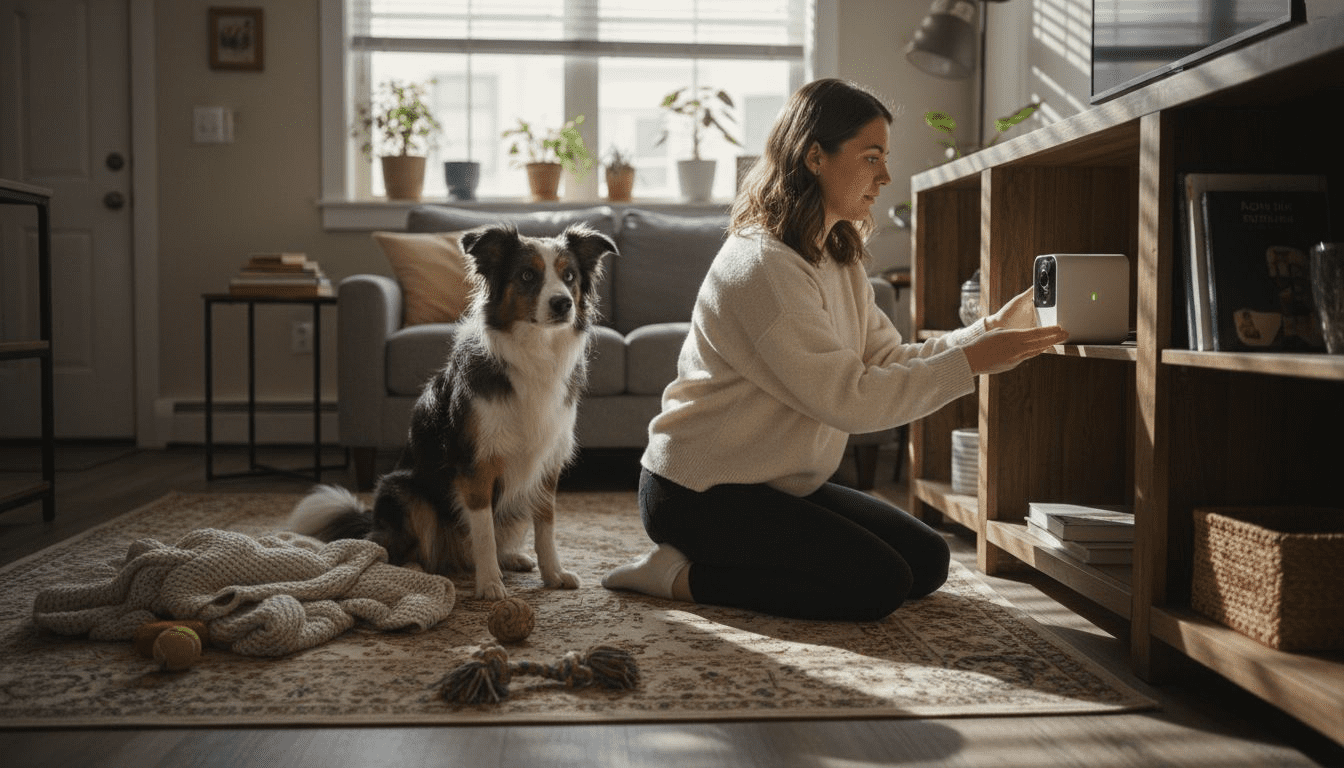
Leaving your pet alone at home often creates worry for American families who see their furry companions as part of the household. As digital solutions like pet cameras and wearable trackers become more accessible, tech-savvy pet owners are using these tools to tackle separation anxiety and keep pets healthy. This guide compares pet monitoring technologies and breaks down common myths, device options, and safety features, helping you make informed choices for your pet’s daily comfort and security.
Table of Contents
- Defining Pet Monitoring and Common Myths
- Different Types of Pet Monitoring Devices
- Essential Features for Remote Pet Interaction
- Behavioral and Safety Impact on Pets
- Comparing Costs, Risks, and Common Mistakes
Key Takeaways
| Point | Details |
|---|---|
| Pet Monitoring Enhances Care | Digital tools improve pet safety, behavior understanding, and health monitoring, providing peace of mind for owners. |
| Debunking Myths about Monitoring | Pet monitoring is not invasive; it supports pet care and is beneficial even for well-adjusted pets. |
| Device Variety Meets Needs | Options like video cameras, GPS trackers, and smart feeders cater to different aspects of pet management. |
| Awareness of Costs and Risks | Owners should budget for ongoing expenses and understand privacy concerns and potential technology limitations. |
Defining Pet Monitoring and Common Myths
Pet monitoring represents a comprehensive approach to tracking and understanding animal companions through advanced technological solutions. At its core, pet monitoring involves using digital tools to observe, interact with, and ensure the safety and well-being of pets when owners cannot be physically present. These technologies range from simple webcams to sophisticated smart devices that provide real-time insights into pet behavior, health, and environmental conditions.
Contrary to popular misconceptions, pet monitoring strategies extend far beyond surveillance. They serve critical functions in understanding animal behavior, detecting potential health issues early, and providing peace of mind for pet owners. Many people mistakenly believe that pet monitoring is invasive or unnecessary, but modern technologies are designed to enhance pet care, not replace human interaction. These systems can help track feeding patterns, monitor activity levels, detect unusual behaviors, and even provide two-way communication between pets and owners.
Common myths about pet monitoring often stem from misunderstandings about technology and pet psychology. Some owners worry that cameras or monitoring devices might stress their pets, but most modern solutions are designed to be unobtrusive and pet-friendly. Another prevalent myth is that pet monitoring is only for anxious or overprotective owners. In reality, these technologies contribute to pet safety and well-being, particularly during emergencies, travel, or when pets are home alone for extended periods.
Pro tip: Start with a basic pet camera that offers motion detection and two-way audio to ease into pet monitoring technology without overwhelming yourself or your furry friend.
Different Types of Pet Monitoring Devices
Pet monitoring devices have evolved significantly, offering pet owners a range of sophisticated technologies to track and interact with their animal companions. Wearable trackers represent one of the most innovative categories, providing real-time insights into pet health, location, and activity levels. Advanced tracking technologies enable owners to monitor everything from GPS location to vital signs, transforming how we understand and care for our pets.
The primary categories of pet monitoring devices include video cameras, wearable trackers, GPS location devices, and smart feeding systems. Video cameras with two-way audio allow owners to see, hear, and communicate with their pets remotely. Wearable trackers, similar to human fitness devices, can monitor heart rate, activity levels, sleep patterns, and even detect potential health anomalies. Satellite tracking technologies have inspired pet GPS devices that provide precise location monitoring, which is particularly useful for pets prone to wandering or in rural environments.
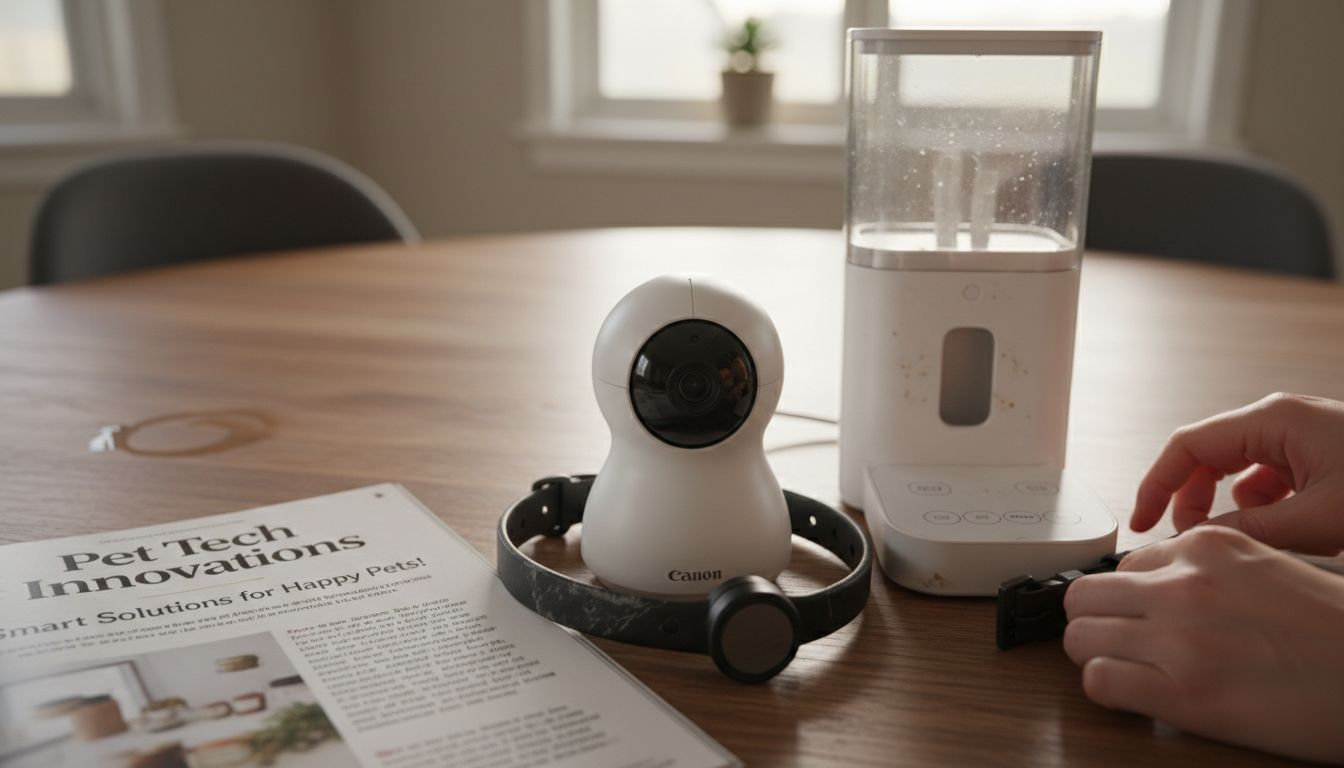
Smart feeding systems represent another innovative monitoring category, combining technology with pet nutrition management. These devices can dispense precise food portions, track eating habits, and even allow remote feeding through smartphone apps. Some advanced models include built-in cameras, enabling owners to watch their pets during meal times and ensure they are eating properly. Additional monitoring technologies include smart collars with activity tracking, temperature sensors, and behavioral analysis algorithms that can alert owners to unusual pet behaviors or potential health concerns.
Pro tip: When selecting a pet monitoring device, prioritize compatibility with your lifestyle and your specific pet’s needs, ensuring the technology enhances rather than complicates your pet care routine.
Here’s a comparison of major pet monitoring device types and how they impact everyday pet care:
| Device Type | Main Purpose | Unique Benefit | Ideal For |
|---|---|---|---|
| Video Cameras | Visual and audio monitoring | Remote reassurance | Pet owners at work |
| GPS Trackers | Location tracking | Immediate alerts for escape | Outdoor pets, rural areas |
| Smart Feeders | Nutrition management | Scheduled feeding, remote control | Busy families |
| Wearable Trackers | Health and activity tracking | Early health detection | Pets with medical needs |
Essential Features for Remote Pet Interaction
Remote pet interaction technologies have revolutionized how pet owners connect with their animal companions, offering sophisticated features that go far beyond simple video monitoring. Critical safety features enable owners to maintain constant communication and ensure their pets’ well-being, even when physically separated. Two-way audio systems stand out as a primary feature, allowing pets to hear their owner’s voice, which can significantly reduce separation anxiety and provide emotional comfort during long absences.
The most advanced remote pet interaction devices incorporate multiple sophisticated monitoring capabilities. These include real-time video streaming with high-definition clarity, motion detection sensors that trigger immediate smartphone alerts, and interactive elements like treat dispensers controlled through mobile applications. Temperature monitoring represents another crucial feature, enabling owners to ensure their pet’s environment remains comfortable and safe. Some cutting-edge systems include emergency response capabilities that can automatically notify pet sitters or veterinarians if unusual behaviors or potential health risks are detected.
Key interaction features extend beyond simple observation, transforming how pet owners manage their animals’ daily experiences. Smart devices now offer capabilities like remote feeding scheduling, activity tracking, and even behavioral analysis algorithms that can provide insights into a pet’s health and emotional state. These technologies bridge the communication gap between pets and owners, offering unprecedented levels of connection and care. Advanced systems can track everything from eating patterns and exercise levels to sleep quality, giving owners a comprehensive understanding of their pet’s daily life and potential health concerns.
Pro tip: Always test your pet monitoring device thoroughly before relying on it completely, ensuring all features work seamlessly and your pet remains comfortable with the technology.
Behavioral and Safety Impact on Pets
Pet monitoring technologies must prioritize animal psychological well-being, recognizing that surveillance can profoundly impact an animal’s emotional state and sense of security. Remote sensing technologies offer unprecedented insights into animal behavior without causing additional stress, allowing pet owners to understand their companions’ needs more comprehensively. Behavioral monitoring goes beyond simple observation, providing nuanced understanding of an animal’s mental and physical health through non-invasive tracking methods.
The potential psychological impacts of monitoring technologies are complex and multifaceted. Improperly implemented tracking can increase anxiety, while thoughtfully designed systems can actually reduce stress by providing consistent human connection. Some advanced monitoring devices use sophisticated algorithms to detect changes in movement patterns, vocalization frequencies, and physiological signals that might indicate distress, fear, or potential health issues. Behavioral studies demonstrate that monitoring approaches must respect an animal’s natural behaviors to maintain their emotional equilibrium and prevent additional psychological strain.
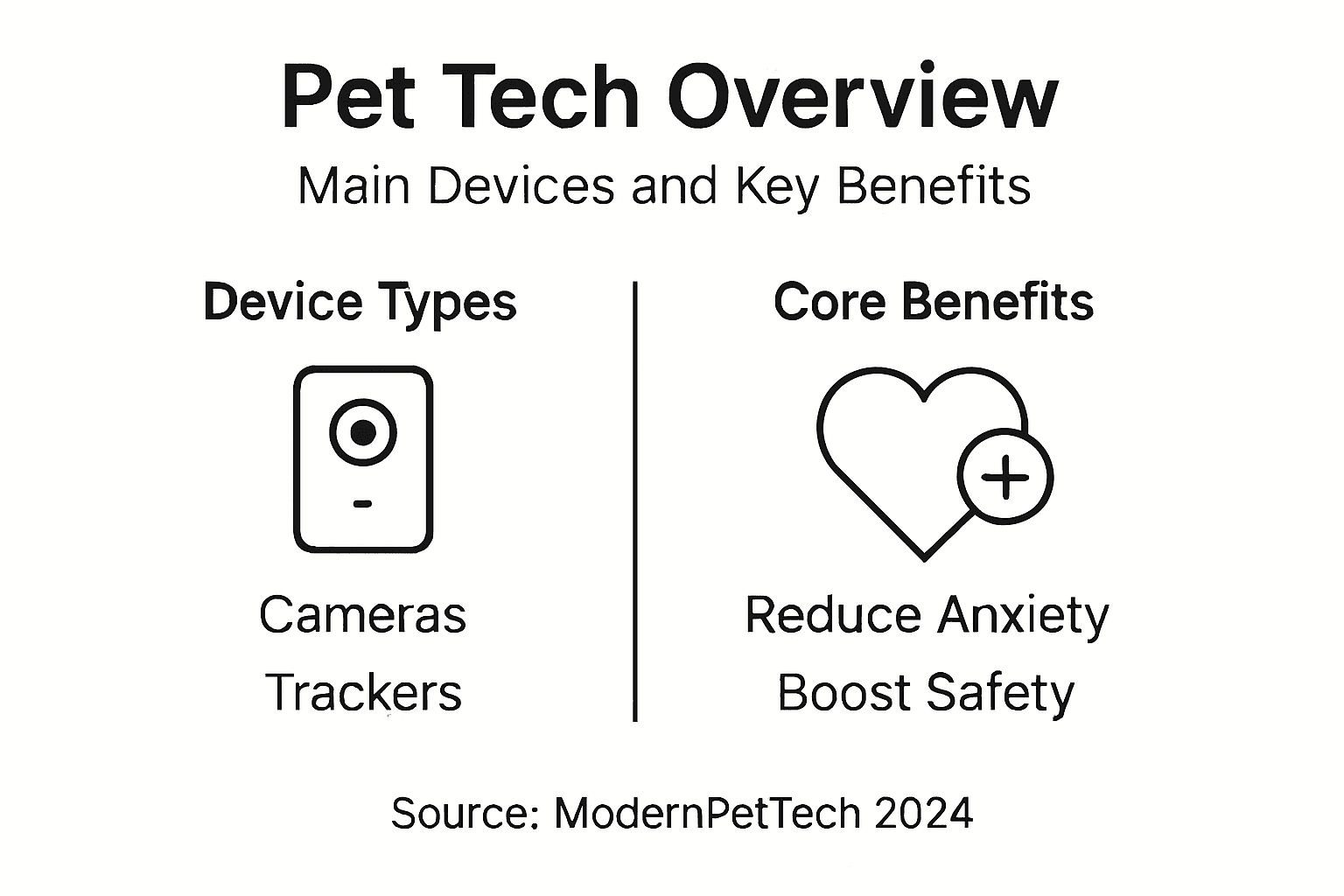
Safety represents another critical dimension of pet monitoring technologies. Modern systems integrate multiple protective features designed to prevent accidents, track potential environmental risks, and ensure pets remain secure when owners are absent. Innovative monitoring tools can detect dangerous temperature changes, unexpected movement patterns that might indicate injury, and even alert owners to potential escape attempts. These technologies transform pet care from reactive response to proactive protection, giving owners unprecedented ability to maintain their pets’ physical and emotional well-being.
Pro tip: Introduce new monitoring technologies gradually, allowing your pet to become comfortable with devices through positive reinforcement and minimal intrusion.
Comparing Costs, Risks, and Common Mistakes
Pet monitoring technologies present a complex landscape of investment, potential risks, and strategic considerations that pet owners must carefully navigate. Device costs and technology risks vary dramatically, ranging from budget-friendly smartphone apps to sophisticated GPS tracking systems with monthly subscription fees. Technology pricing typically follows a tiered structure, with basic monitoring devices starting around $50 and advanced systems reaching up to $300, not including potential ongoing monthly service charges.
Risks associated with pet monitoring extend beyond financial considerations, encompassing data privacy, psychological impact, and potential technological limitations. Common mistakes include over-relying on technological solutions without maintaining direct human interaction, misinterpreting monitoring data, and failing to integrate professional veterinary insights. Veterinary technology experts recommend a balanced approach that uses monitoring devices as supplemental tools rather than complete replacements for direct observation and professional care. Pet owners must remain vigilant about understanding device limitations, regularly updating software, and maintaining realistic expectations about technological capabilities.
A comprehensive cost analysis should consider multiple factors beyond initial device purchase. Ongoing expenses might include monthly subscription fees, replacement batteries, cloud storage costs, and potential maintenance or repair expenses. Some advanced monitoring systems require periodic calibration or software updates, which can add unexpected financial burdens. Privacy concerns also represent a significant risk, with potential vulnerabilities in data transmission and storage that could compromise personal and pet information. Owners should carefully review privacy policies, understand data encryption methods, and choose devices from reputable manufacturers with strong security track records.
This summary outlines key risk factors and common mistakes faced in pet monitoring technology:
| Challenge | Typical Risk | Prevention Tip |
|---|---|---|
| Data Privacy | Exposure of personal data | Use devices with strong encryption |
| Tech Overdependence | Reduced owner engagement | Balance tech with direct interaction |
| High Ongoing Costs | Unexpected expenses | Set aside a contingency budget |
| Misinterpreted Data | Inaccurate health decisions | Consult a professional if unsure |
Pro tip: Always allocate a 20% buffer in your budget for unexpected pet monitoring technology expenses and prioritize devices with transparent privacy policies.
Enhance Your Pet Monitoring Experience to Reduce Anxiety with Smart Technology
Understanding how pet monitoring technology can ease your pet’s separation anxiety is essential for every attentive pet owner. This article highlights challenges like maintaining emotional comfort through two-way audio, real-time video, and interactive features that let you stay connected even when apart. If your goal is to provide reassurance and prevent stress using trusted technology, exploring the right pet camera could transform your approach to care.
Discover expert insights and detailed reviews on Pet Cameras that focus on important features like treat dispensing and smart alerts designed specifically to reduce anxiety and encourage positive interaction.
Take the next step today by visiting ModernPetTech for comprehensive Guides & Comparisons that help you select technology tailored to your pet’s unique needs. Don’t wait until anxiety becomes a problem make informed decisions now and create a calm, connected environment your pet will love.
Frequently Asked Questions
What is pet monitoring and how does it work?
Pet monitoring involves using digital tools and devices to observe, interact with, and ensure the safety of pets when their owners cannot be present. This includes technologies such as webcams, smart collars, and GPS trackers that provide real-time insights into pet behavior, health, and environment.
How can pet monitoring technology help reduce my pet’s anxiety?
Technologies like two-way audio and video cameras can help reduce separation anxiety in pets by allowing them to hear their owner’s voice and see them while they are away. This connection can provide emotional comfort and reassurance during long absences.
What types of devices are available for pet monitoring?
Common types of pet monitoring devices include video cameras, GPS trackers, wearable health monitors, and smart feeding systems. Each device serves a unique purpose: cameras allow remote monitoring, GPS trackers provide location data, and smart feeders manage nutrition and feeding schedules.
Are there any risks associated with using pet monitoring devices?
Yes, risks include data privacy concerns, the potential for over-reliance on technology instead of direct interaction, and the possibility of misinterpreting monitoring data. It’s important for pet owners to understand the limitations of these devices and use them as a supplement to, not a replacement for, traditional care.
Recommended
- 7 Pet Monitoring Best Practices for Tech-Savvy Owners
- Best 8 Pet Cameras 2025 – Expert Comparison 2026
- Why Use Pet Monitoring – Enhancing Pet Wellbeing Remotely
- Best 6 pet cameras with mobile app – Expert Comparison 2026
- Natural Herbs in Dog Food for Stress Relief

5 thoughts on “Pet Monitoring Basics: Reducing Anxiety with Tech”