
Leaving your pet alone at home can bring more worry than peace of mind, especially for tech-savvy American pet owners who want the best for their furry companions. With advances in smart cameras, staying connected and easing separation anxiety is now as simple as checking your phone. Pet cameras provide cost-effective solutions that not only keep your pets calm but also help you monitor and interact with them no matter where you are.
Table of Contents
- What Makes A Pet Camera Cost-Effective
- Types Of Pet Cameras And Feature Differences
- Key Features That Drive Long-Term Savings
- Real-World Pet Owner Use Cases
- Comparing Pet Cameras To Alternative Solutions
Key Takeaways
| Point | Details |
|---|---|
| Cost-Effectiveness | Pet cameras can save hundreds of dollars annually by reducing the need for pet sitters and boarding services. |
| Feature-Rich Options | Selecting a smart pet camera with multiple features, such as two-way audio and motion detection, enhances utility and savings. |
| Real-Time Interaction | These devices enable direct communication with pets, helping manage separation anxiety and support training remotely. |
| Comparative Advantage | Pet cameras outperform alternative solutions like manual check-ins and pet sitters in terms of monitoring quality and long-term savings. |
What Makes a Pet Camera Cost-Effective
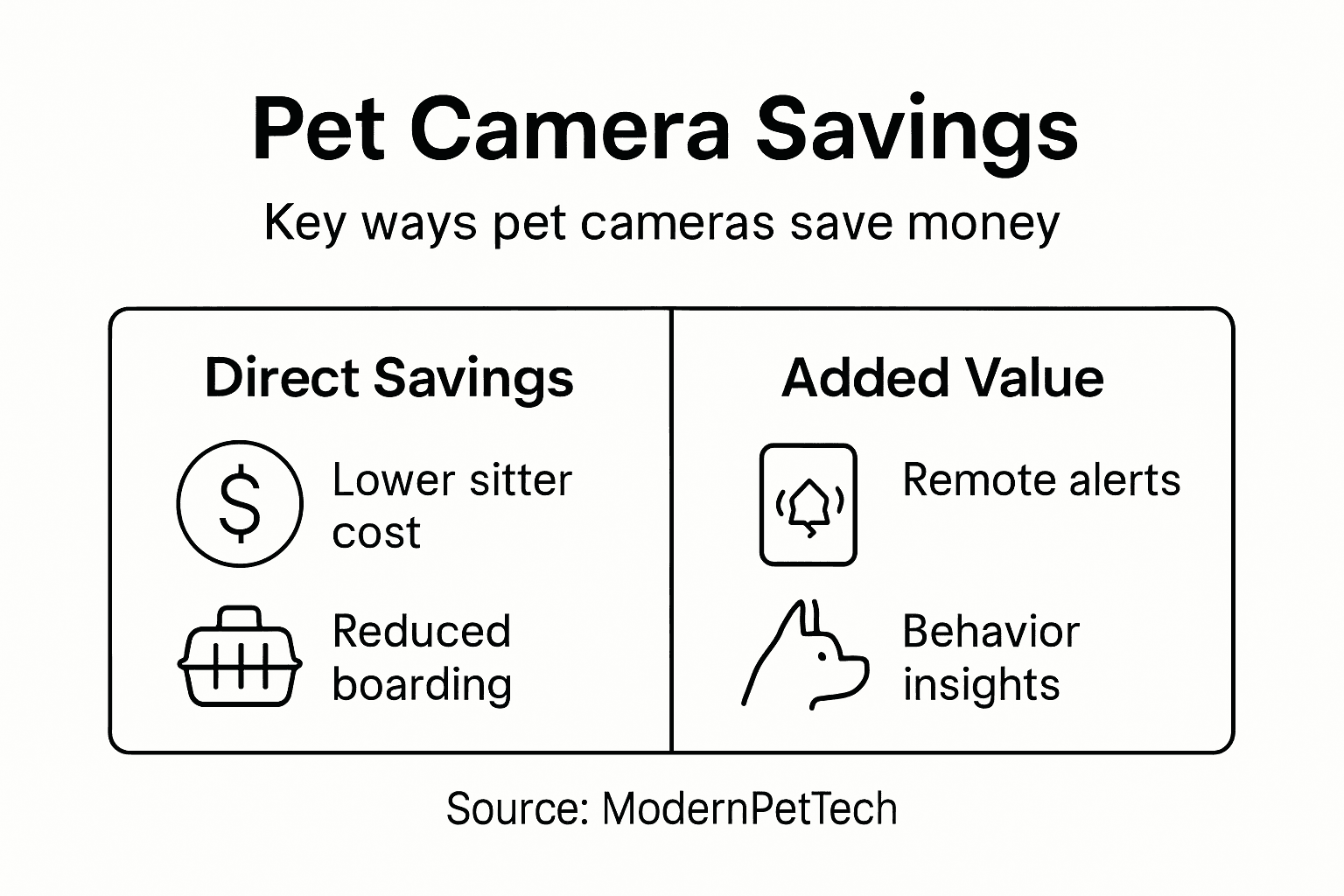
Pet cameras have transformed how owners monitor and interact with their pets, offering significant cost-effectiveness through innovative technology and smart features. Efficiency gains in pet care technologies demonstrate that these devices provide substantial value beyond their initial purchase price.
The core elements that make pet cameras cost-effective include multiple strategic advantages:
- Remote Monitoring: Reduces need for pet sitters and boarding services
- Real-Time Interaction: Enables direct communication with pets, minimizing separation anxiety
- Security Features: Provides home surveillance alongside pet monitoring
- Training Support: Allows owners to observe and correct pet behaviors remotely
Economically, pet cameras deliver long-term savings by replacing traditional pet care services. A single smart camera can potentially save hundreds of dollars annually in professional pet care expenses. Strategic camera placement further maximizes cost-effectiveness, ensuring comprehensive home monitoring with minimal equipment.
Technology advancements have made these devices increasingly affordable, with high-quality models available at reasonable price points. Modern pet cameras integrate motion sensors, two-way audio, and smartphone connectivity, transforming them from luxury items to practical household investments.
Pro tip: Select a pet camera with multiple features to maximize your return on investment and reduce overall pet care expenses.
Types of Pet Cameras and Feature Differences
Pet cameras have evolved significantly, offering diverse options to meet various home monitoring needs. Advanced tracking technologies now provide pet owners with sophisticated monitoring capabilities beyond traditional video surveillance.
The primary types of pet cameras include:
- Indoor Stationary Cameras: Ideal for home environments, fixed positioning
- Pan-and-Tilt Cameras: Allows remote room scanning and tracking
- Wearable Pet Cameras: Attachable devices that track pet movements
- Outdoor Weather-Resistant Cameras: Designed for exterior monitoring and durability
Wildlife camera technologies offer insights into the critical features pet owners should consider when selecting monitoring devices. Key differentiating features include:
- Motion detection sensitivity
- Video resolution quality
- Night vision capabilities
- Two-way audio communication
- Cloud storage options
- Smartphone app integration
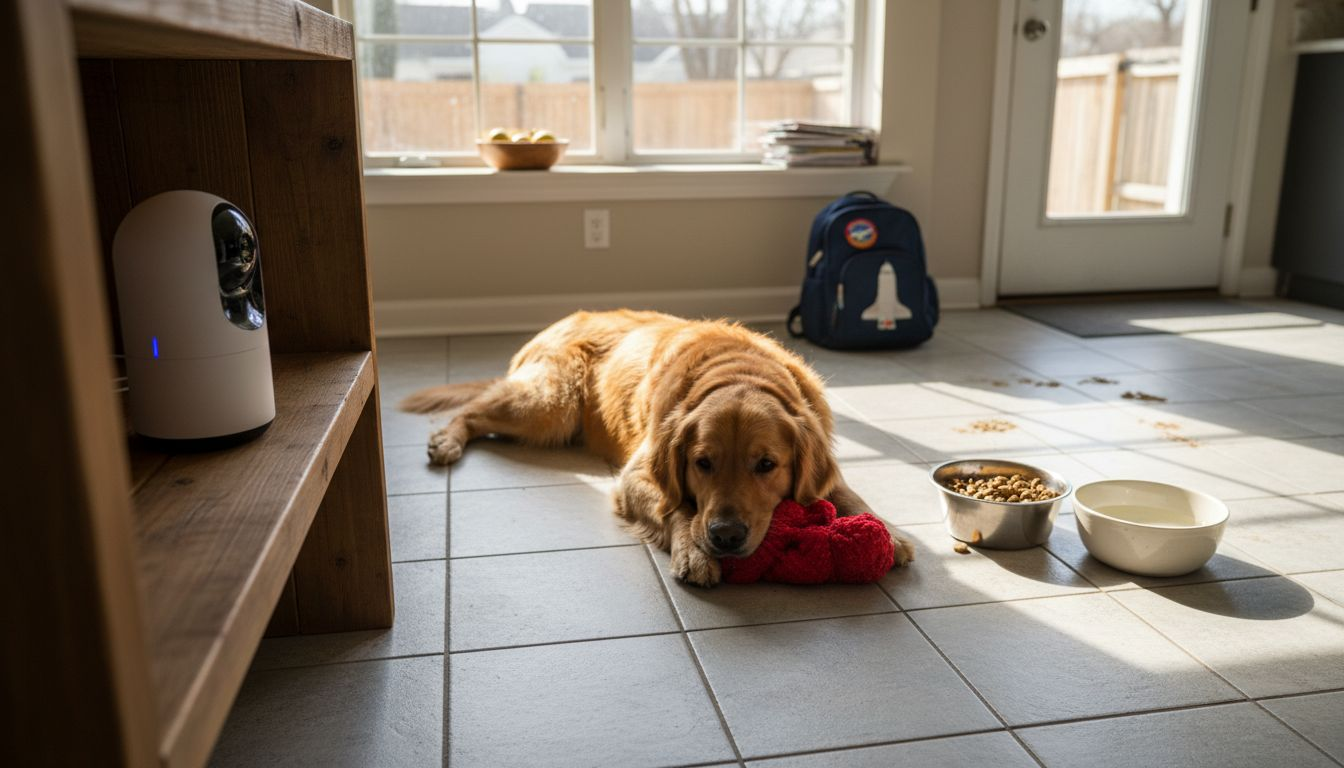
Modern smart pet cameras integrate multiple technologies, transforming from simple recording devices to interactive monitoring systems. These advanced cameras can detect unusual pet behaviors, provide real-time alerts, and even dispense treats, making them versatile tools for pet care and home security.
Here’s a summary comparing popular types of pet cameras by their core advantages:
| Camera Type | Primary Benefit | Best Use Case | Typical Price Range |
|---|---|---|---|
| Indoor Stationary | Fixed area monitoring | Apartments, homes | $40-$80 |
| Pan-and-Tilt | Room scanning capability | Larger living areas | $60-$120 |
| Wearable Pet Camera | Tracks pet movements | Outdoor adventures | $50-$100 |
| Outdoor Weather-Resistant | Durable exterior use | Yards, porches | $80-$160 |
Pro tip: Prioritize cameras with multiple features and compatibility with your smartphone for the most comprehensive pet monitoring experience.
Key Features That Drive Long-Term Savings
Pet camera technologies offer more than just monitoring – they provide substantial financial benefits through intelligent design and strategic features. Cost-saving security approaches demonstrate how advanced features can significantly reduce potential expenses over time.
Key features that contribute to long-term savings include:
- Automated Monitoring: Reduces need for professional pet sitting services
- Behavior Detection: Helps prevent potential property damage
- Two-Way Audio: Enables remote training and immediate intervention
- Cloud Storage: Eliminates expensive local storage hardware
- Motion-Triggered Alerts: Minimizes unnecessary recording and storage costs
Body-worn camera analysis reveals that comprehensive monitoring can dramatically reduce incident-related expenses. For pet owners, this translates to preventing costly behavioral issues, potential property damage, and unnecessary veterinary interventions through proactive monitoring.
Modern smart pet cameras integrate multiple cost-saving technologies. Advanced encryption, secure network connections, and regular software updates protect against potential security breaches that could result in expensive equipment replacements or data compromises.
Pro tip: Invest in pet cameras with multiple intelligent features to maximize long-term financial benefits and minimize potential unexpected expenses.
Real-World Pet Owner Use Cases
Pet cameras have transformed how owners manage and understand their pets’ daily experiences. Strategic camera placement enables comprehensive monitoring across different home environments and pet scenarios.
Common real-world use cases for pet cameras include:
- Separation Anxiety Management: Track pet behavior during alone time
- Senior Pet Health Monitoring: Check on older pets with limited mobility
- Puppy Training Support: Observe and correct behavioral issues remotely
- Home Security Enhancement: Monitor pets and property simultaneously
- Working Parent Interaction: Engage with pets during long workdays
Advanced indoor tracking systems demonstrate how technology can provide nuanced insights into pet behavior and movement patterns. These innovations help owners understand their pets’ daily routines, detect potential health issues early, and create more responsive care strategies.
Modern smart pet cameras go beyond simple video monitoring, offering interactive features like treat dispensing, two-way audio communication, and behavior analysis. These technologies enable pet owners to maintain meaningful connections with their pets, even when physically distant.
Pro tip: Choose a pet camera that matches your specific home environment and pet’s unique needs to maximize monitoring effectiveness.
Comparing Pet Cameras to Alternative Solutions
Pet monitoring technologies have dramatically expanded beyond traditional observation methods. Advanced tracking technologies reveal multiple alternatives that compete with standard pet cameras in effectiveness and cost.
Comparative monitoring solutions include:
- Pet Sitters: Traditional human monitoring
- Motion Sensors: Basic activity detection
- Radio Frequency Trackers: Location-based monitoring
- Smart Collars: Wearable tracking devices
- Manual Check-ins: Periodic physical visits
Wildlife camera research demonstrates that automated monitoring provides significant advantages over manual alternatives. Video pet cameras consistently outperform other methods in comprehensive coverage, real-time insights, and cost-effectiveness.
Key differences between pet cameras and alternative solutions center on several critical factors:
- Continuous monitoring capabilities
- Real-time interaction potential
- Data collection comprehensiveness
- Cost per hour of monitoring
- Privacy and security features
Modern smart monitoring technologies integrate multiple tracking methods, offering pet owners unprecedented visibility into their pets’ daily experiences without substantial financial investment.
This comparison outlines the long-term financial impact of pet cameras versus alternatives:
| Solution | Ongoing Costs | Monitoring Quality | Owner Involvement Required |
|---|---|---|---|
| Pet Camera | Minimal, subscription optional | High, comprehensive | Low, remote access |
| Pet Sitter | High, per visit | Moderate, situational | High, scheduling needed |
| Manual Check-ins | No financial cost | Low, limited coverage | High, requires presence |
| Smart Collar | Moderate, subscription fees | Location tracking only | Low, automated |
Pro tip: Evaluate your specific pet monitoring needs by comparing the total cost of alternative solutions against comprehensive pet camera features.
Discover Cost-Effective Pet Cameras Tailored for Your Needs
Pet owners often face the challenge of ensuring their pets are safe and happy while managing costs related to traditional pet care services. This article highlights how smart pet cameras provide remote monitoring, real-time interaction, and behavior tracking that not only reduce expenses but also deepen your connection with your furry friend. Whether you’re looking to ease separation anxiety or enhance home security, understanding these innovative features is key to making the best choice.
At ModernPetTech, we specialize in guiding you through the variety of pet cameras that combine essential functions like two-way communication, treat dispensing, and night vision to maximize value and long-term savings. Explore our detailed Pet Cameras and Guides & Comparisons categories to find devices that fit your lifestyle and your pet’s unique needs.

Take control of your pet’s care today by choosing a camera that offers comprehensive monitoring and cost-saving benefits. Visit ModernPetTech now to get expert reviews and make an informed decision that benefits both you and your pet immediately.
Frequently Asked Questions
What are the primary benefits of using a pet camera?
Pet cameras offer several benefits, including remote monitoring to reduce the need for pet sitters, real-time interaction to minimize separation anxiety, enhanced security for home surveillance, and support for training by allowing owners to observe and correct behaviors remotely.
How do pet cameras save money in the long run?
Pet cameras can save money by replacing traditional pet care services such as pet sitting and boarding, which can be costly. With a smart pet camera, owners can monitor their pets, provide training, and even enhance home security, leading to overall reduced expenses in pet care.
What key features should I look for in a pet camera?
When choosing a pet camera, consider features such as motion detection sensitivity, video resolution quality, night vision capabilities, two-way audio communication, cloud storage options, and smartphone app integration for effective monitoring.
How do pet cameras compare to other pet monitoring solutions?
Pet cameras provide continuous monitoring and real-time interaction, which are often lacking in other solutions like pet sitters or manual check-ins. Additionally, they offer comprehensive data collection and significantly lower ongoing costs, making them a more cost-effective choice for pet owners.
Recommended
- Pet Camera Setup Explained: Boosting Safety and Connection
- Pet Camera Setup Basics: Enhancing Remote Pet Care
- Benefits of Pet Cameras: Safer, Happier Pets at Home
- Indoor vs Outdoor Pet Cameras: Choosing What Fits Your Home
- Why Pets Improve Quality of Life for Owners
