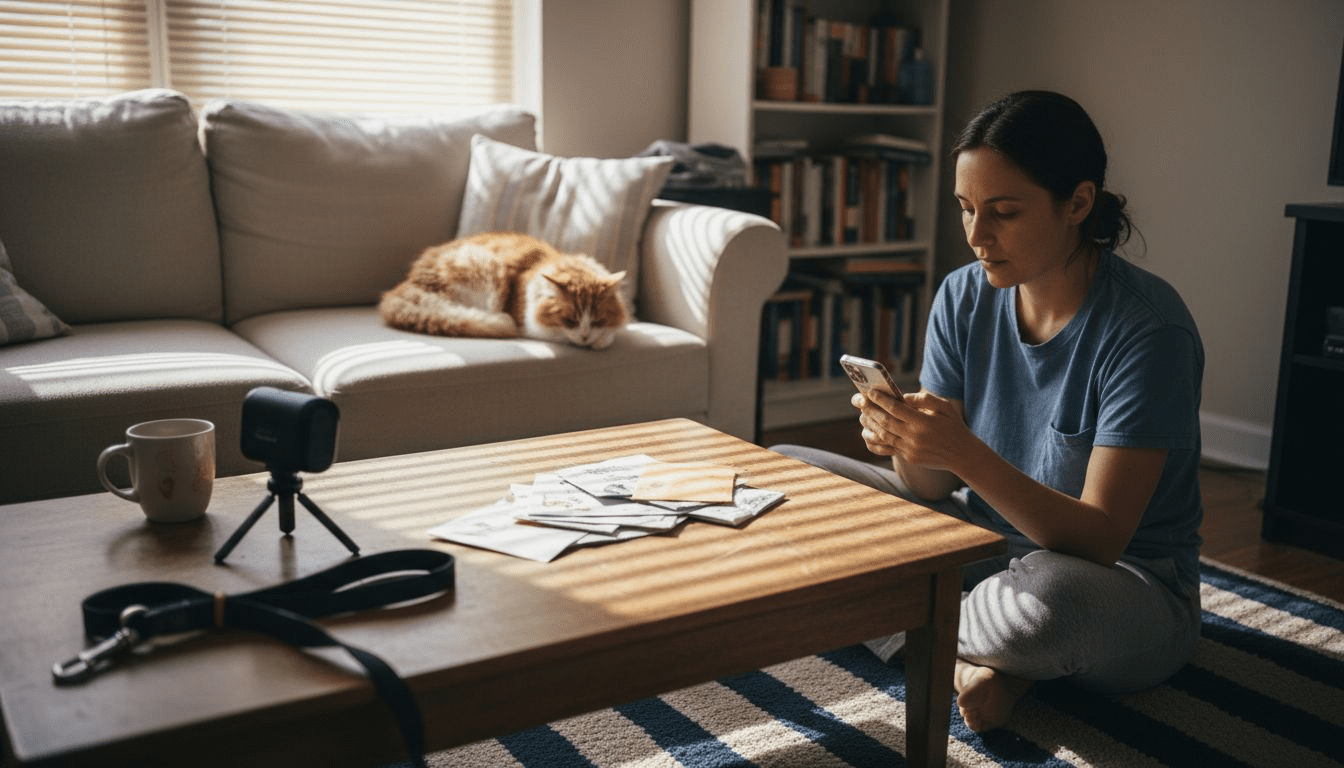
Leaving your pet alone during long workdays can spark real anxiety for both you and your furry friend. As more American homes embrace smart technology, pet camera integration offers a seamless way to stay connected with your pet from anywhere. By harnessing features like high-definition video, two-way audio, and interactive options, you gain a powerful solution that makes pet monitoring not just possible, but genuinely engaging for owners who demand advanced peace of mind.
Table of Contents
- Defining Pet Camera Integration And Core Concepts
- Popular Pet Camera Types And Smart Features
- How Integration Works With Smart Home Devices
- Key Benefits For Pet Wellness And Owner Engagement
- Risks, Security, And Mistakes To Avoid
Key Takeaways
| Point | Details |
|---|---|
| Integration of Pet Cameras | Pet camera integration combines hardware and software to create a seamless monitoring system, enhancing connectivity between your home and smartphone. |
| Understanding Camera Types | Choose pet cameras based on your needs: fixed for stability, PTZ for flexibility, treat-dispensing for engagement, or laser-play models for activity encouragement. |
| Security Measures Needed | Implement strong passwords, regular software updates, and network segmentation to protect your pet camera from unauthorized access. |
| Benefits for Pets and Owners | Interactive features like two-way audio and treat dispensing reduce separation anxiety for pets and provide owners peace of mind through constant monitoring. |
Defining Pet Camera Integration and Core Concepts
Pet camera integration is the process of combining video surveillance hardware with smart home connectivity to create a unified monitoring system for your pets. At its core, product integration in pet camera systems coordinates multiple components—the camera hardware itself, accompanying software applications, your home Wi-Fi network, and your mobile device—to function seamlessly as one system. This coordination begins at the design stage and involves careful engineering of mechanical, electrical, software, and data interfaces to prevent conflicts and ensure reliable daily operation.
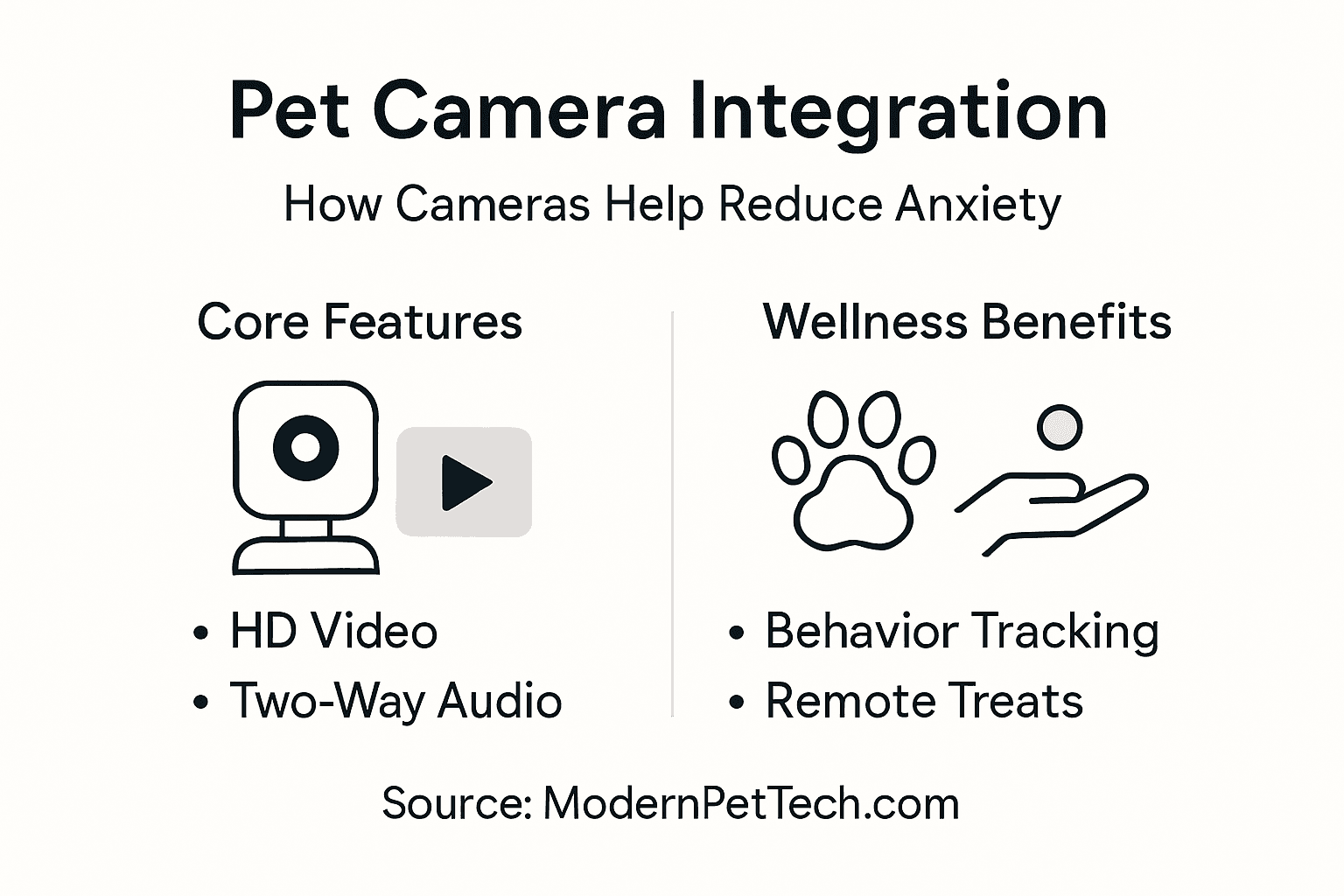
When you set up a pet camera, you’re essentially creating a communication bridge between your home and your smartphone. The camera captures live video and audio from your pet’s environment, transmits that data through your home network, and displays it on your mobile app in real-time. Most pet cameras also include two-way audio functionality, allowing you to hear your pet and speak to them remotely. Beyond basic video streaming, integrated pet camera systems often include motion detection alerts that notify you when your pet moves in front of the camera, night vision for monitoring in low-light conditions, and in some cases, treat dispensing capabilities that let you reward your pet from afar. The integration of these features transforms a simple camera into an interactive monitoring solution that addresses the specific challenge of separation anxiety.
Understanding the distinction between a standalone camera and an integrated pet camera system matters when you’re evaluating your options. A standalone camera might only offer basic video recording without remote access, whereas an integrated system provides real-time connectivity, cloud storage options, mobile app alerts, and interactive features—all working together toward the goal of reducing anxiety for both you and your pet while you’re away from home.
Pro tip: Before purchasing any pet camera, verify that it’s compatible with your home Wi-Fi router’s specifications and that your smartphone operates on the same ecosystem (iOS or Android) as the app—these compatibility factors directly impact how smoothly the system integrates into your daily life.
Popular Pet Camera Types and Smart Features
Pet cameras come in several distinct types, each designed to address different monitoring needs and home setups. Fixed cameras remain stationary and provide consistent coverage of a single area, making them ideal for watching a pet bed or food bowl. Pan-tilt-zoom (PTZ) cameras offer remote control capabilities, allowing you to adjust the camera’s angle and zoom level from your phone to follow your pet around a room. Treat-dispensing models combine monitoring with interactive play, letting you toss treats to your pet remotely as a form of engagement and positive reinforcement. Some cameras also feature laser-play capabilities, projecting moving laser dots that encourage physical activity and mental stimulation while you’re away. These varied types let you choose based on your home layout, your pet’s behavior, and how hands-on you want your remote interaction to be.
Beyond camera types, the smart features integrated into modern pet cameras make the real difference in managing separation anxiety. Most quality models include two-way audio communication, enabling you to hear your pet and speak to them in real-time, which can provide immediate comfort when your pet becomes anxious. HD video streaming ensures you’re watching clear, detailed footage rather than grainy images that leave you guessing about your pet’s condition. Night vision powered by infrared technology lets you monitor your pet even when lights are off, capturing activity during nighttime hours when anxiety often peaks. Motion and sound detection alerts notify your phone instantly when your pet moves or vocalizes, so you’re always aware of sudden changes in behavior. Cloud-based storage automatically saves video footage, allowing you to review what happened while you were away and identify anxiety triggers.
The combination of camera type and smart features you select should match your specific situation. If your pet tends to hide when anxious, a PTZ camera helps you locate them quickly. If your pet responds well to rewards, a treat-dispenser adds an interactive element that reduces anxiety through positive association. Think about your pet’s personality and your home environment when evaluating which combination makes sense for your setup.
Here’s a summary of popular pet camera types and their primary use cases:
| Camera Type | Best For | Remote Interaction | Coverage Flexibility |
|---|---|---|---|
| Fixed | Monitoring one location | Minimal | Low |
| Pan-Tilt-Zoom (PTZ) | Locating active pets | Moderate | High |
| Treat-Dispensing | Reward-based engagement | High | Moderate |
| Laser-Play Model | Encouraging activity | High | Moderate |
Pro tip: Start with motion and sound alerts enabled on your phone, but set them to silent or vibrate only for the first few days to avoid constantly checking the app, which can create anxiety for you rather than relieving it.
How Integration Works With Smart Home Devices
Pet cameras don’t exist in isolation. They connect to your broader smart home ecosystem through your home Wi-Fi network, becoming part of an interconnected system of devices that communicate with each other. When you set up a pet camera, you’re tapping into Internet of Things (IoT) connectivity that enables the camera to send video and audio data to cloud servers, which then relay that information to your mobile app. This same network infrastructure allows your pet camera to communicate with other smart devices in your home, creating automation opportunities that go beyond simple monitoring.
The real power emerges when your pet camera integrates with voice assistants and smart home systems. If you have an Amazon Alexa or Google Assistant device, you can ask it to show your pet camera feed on a smart display, check on your pet using voice commands, or receive notifications through your smart speaker when motion is detected. Smart lighting integration allows your pet camera system to automatically turn on lights when motion is detected in a room where your pet spends time, reducing anxiety caused by darkness. Some advanced setups link pet cameras to security systems, so when you’re away from home, a pet motion alert triggers similar responses as a potential security event, giving you multiple layers of awareness. Temperature and humidity sensors can work alongside your pet camera feed, letting you understand your pet’s environment more completely and adjust climate control if your pet shows signs of distress.
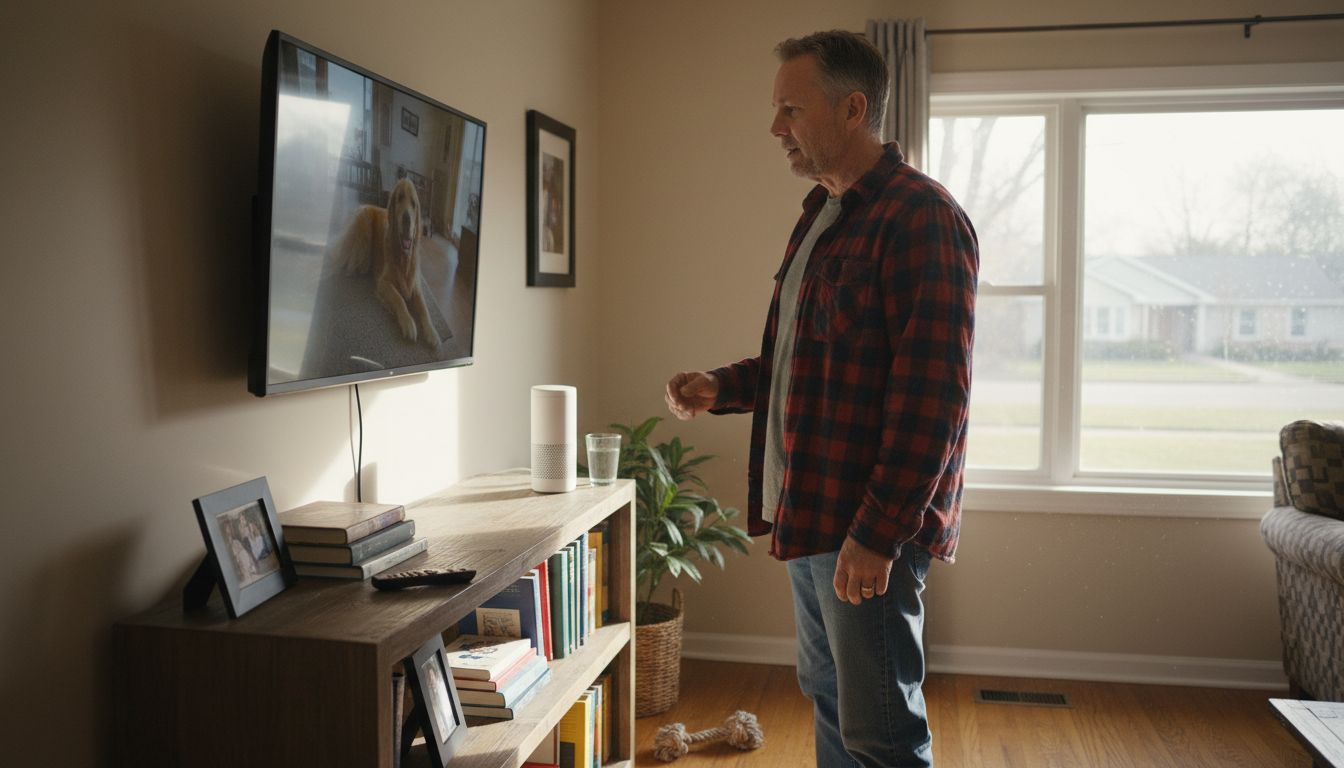
Standardized cybersecurity and interoperability guidelines ensure that these integrations happen safely and reliably across different manufacturers’ devices. Your pet camera uses encrypted connections to transmit video data, secure authentication to verify it’s actually you accessing the footage, and regular firmware updates to patch security vulnerabilities. This standardization means you can confidently mix and match devices from different brands without worrying about compatibility issues or compromising your home’s security.
Integration also simplifies your daily routine. Create automated routines that trigger when you leave home, such as turning on specific lights, adjusting your thermostat, and sending a reminder to check your pet camera at set intervals throughout the day. When you arrive home, another routine can disable monitoring alerts and turn off any interactive features. This level of automation removes the friction from your pet care routine and ensures you’re consistently engaging with your pet monitoring system.
Pro tip: Start with basic integrations like voice control and motion alerts before attempting complex automation routines; this prevents configuration mistakes that could disable your monitoring system when you need it most.
Key Benefits for Pet Wellness and Owner Engagement
Pet cameras deliver tangible benefits that extend far beyond simple visual monitoring. Maintaining visual and auditory contact throughout the day significantly reduces separation anxiety in pets by creating a sense of ongoing connection with their owners. When your pet hears your voice coming through the speaker or sees you on the camera, it registers as reassurance that they haven’t been abandoned. This consistent emotional support helps lower stress levels and prevents the destructive behaviors often triggered by anxiety, such as excessive barking, chewing, or inappropriate elimination. For owners, knowing you can check on your pet at any moment provides genuine peace of mind, transforming a workday from worrisome to manageable.
The wellness benefits multiply when you add interactive features to your monitoring routine. Treat dispensers and laser play capabilities aren’t just entertaining extras. They provide essential physical activity and mental stimulation for your pet, especially critical for pets left alone for extended periods. A bored, anxious pet becomes a stressed pet. By engaging your pet through play and rewards, you’re actively combating the root causes of separation anxiety while simultaneously building positive associations with your absence. Your pet begins to realize that alone time means opportunities for fun and treats, gradually reframing solitude from something frightening into something anticipated.
Continuous connection and care through remote monitoring and interaction tools strengthens the human-animal bond in measurable ways. You’re no longer a passive observer of your pet’s day. Instead, you become an active participant, able to respond to your pet’s needs in real-time. If your pet shows signs of distress, you can immediately soothe them with your voice or redirect their attention with a treat. This responsiveness teaches your pet that their emotional signals matter and that help is just a camera away. Over time, this proactive engagement promotes responsible pet ownership by encouraging you to understand your pet’s patterns, triggers, and unique personality.
You also gain valuable behavioral insights that help you identify anxiety triggers. Watching your pet throughout the day reveals what situations cause stress, allowing you to make environmental adjustments or work with a trainer on specific issues. This data-driven approach to pet care moves you beyond guessing about your pet’s well-being and into genuinely informed decision-making.
Pro tip: Review your pet camera footage weekly to identify patterns in behavior and anxiety triggers, then use those insights to make targeted improvements like adjusting feeding schedules or adding enrichment activities.
Risks, Security, and Mistakes to Avoid
Pet cameras are connected devices streaming video and audio from your home, making security a serious consideration. The primary risk is unauthorized access to your camera feeds, meaning strangers could potentially watch your pet and observe your home’s layout, activity patterns, and daily routines. This information becomes valuable data for burglars planning break-ins. Unauthorized access to live feeds and data interception are among the most common vulnerabilities in Internet of Things devices, including pet cameras. Hackers exploit weak security configurations to gain entry, and once inside, they can monitor your home indefinitely without your knowledge. The stakes extend beyond privacy. A compromised camera system could potentially be used to communicate with your pet or home in ways that cause distress or confusion.
The mistakes that lead to these vulnerabilities are remarkably preventable. Using default passwords that come with your camera is perhaps the most common error. Manufacturers publish these passwords online, making it trivial for attackers to access your device. Neglecting software updates is equally dangerous, as updates patch security holes that hackers actively exploit. Many pet camera owners set up their devices, achieve their initial monitoring goals, and then forget about them entirely, missing critical security patches released months or years later. Insufficient encryption of video feeds means your footage travels across the internet without protection, potentially intercepted by anyone monitoring your network. Additionally, implementing strong, unique passwords and enabling two-factor authentication remains the most effective defense against unauthorized access.
Beyond passwords, your home network requires proper configuration. Many people connect their pet cameras to the same network as their computers, phones, and smart home devices without network segmentation. This means a compromised camera could become an entry point to your entire digital life. Create a separate guest network specifically for connected devices, isolating them from your personal data. Regularly review which devices have access to your camera feeds through your mobile app, removing old phones or tablets no longer in use. Disable any features you don’t actively use, such as cloud recording if you only need live streaming. Each enabled feature expands your attack surface.
Second mistake: trusting pet camera brands blindly without researching their privacy policies and security track records. Read the fine print about where your video is stored, who can access it, and whether the company sells anonymized data to third parties. Some manufacturers retain footage longer than necessary, creating unnecessary privacy exposure.
To help assess your security practices, here’s a comparison of essential steps for keeping pet cameras safe:
| Security Measure | Impact on Safety | Implementation Difficulty | Common Mistake |
|---|---|---|---|
| Unique Passwords | Strongly protects feed | Easy | Leaving default active |
| Software/Firmware Updates | Prevents hacking attempts | Moderate | Ignoring updates |
| Network Segmentation | Shields other devices | Moderate | Using single network |
| Two-Factor Authentication | Limits unauthorized access | Easy | Not enabling option |
Pro tip: Create a strong password using a combination of uppercase, lowercase, numbers, and special characters, store it securely in a password manager, and enable two-factor authentication immediately after setting up your pet camera.
Enhance Your Pet’s Well-Being with Smart Pet Camera Integration
Separation anxiety is a real challenge for many pet owners who want to stay connected to their furry friends while away. This article highlights how integrated pet camera systems offer solutions like two-way audio, treat dispensing, and smart alerts to reduce your pet’s stress and keep you engaged remotely. Understanding features such as motion detection, night vision, and reliable connectivity can transform your approach to pet care with technology designed to soothe both pet and owner.
Discover the perfect device that fits your pet’s personality and your home environment by exploring our detailed Pet Cameras category. Whether you want expert insights on product integration or side-by-side comparisons, our Guides & Comparisons help you make safe, informed choices. Start building a stronger bond with your pet through smart monitoring today.
Ready to reduce your pet’s separation anxiety and gain peace of mind? Visit ModernPetTech now to explore trusted reviews and find the best pet camera solutions tailored to your needs. Take the first step toward seamless pet care integration and feel connected no matter where life takes you.
Frequently Asked Questions
What is pet camera integration?
Pet camera integration combines video surveillance hardware with smart home connectivity, allowing you to monitor your pets via your mobile device in real-time.
How do pet cameras help reduce separation anxiety in pets?
Pet cameras provide visual and auditory contact with your pets, allowing you to reassure them through two-way communication, which helps lower their stress levels when you are away.
What features should I look for in a pet camera?
Look for features like two-way audio communication, HD video streaming, night vision, motion and sound detection alerts, and treat-dispensing capabilities to enhance interaction and monitoring efficiency.
How can I ensure the security of my pet camera?
To secure your pet camera, use unique passwords, enable two-factor authentication, regularly update firmware, and segment your home network to keep devices safe from unauthorized access.
Recommended
- Why Smart Home Integration Reduces Pet Anxiety
- Pet Camera vs Home Security Camera: Which Creates a Safer, Happier Home?
- What Is Interactive Pet Camera Technology?
- Pet Monitoring Workflow for Effective Remote Interaction
- 7 Key Advantages of Automatic Pet Feeders for Busy Owners – Pawfect Picks

1 thought on “Pet Camera Integration: Reducing Separation Anxiety”