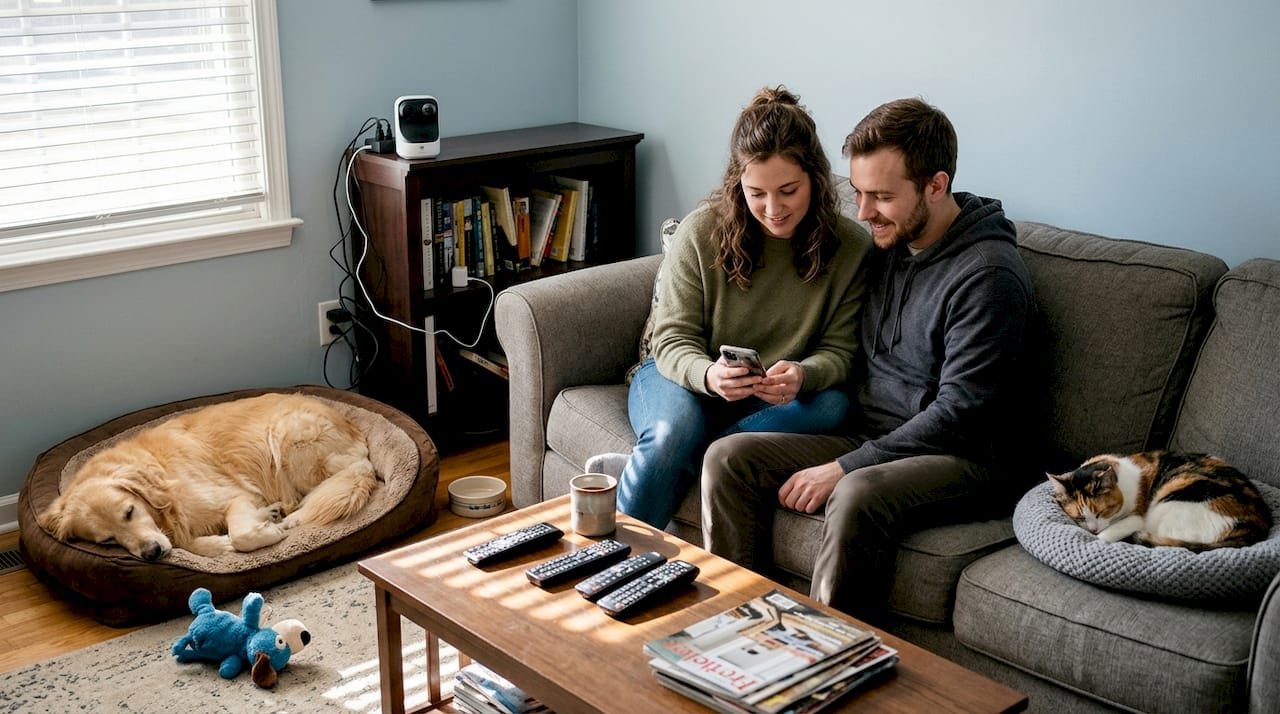
You thought the camera would help, but now you’re drowning in alerts about every movement in your home. Multi-pet households face unique monitoring challenges that standard pet cameras can’t handle. Between separation anxiety, food fights, and the mystery of who knocked over the plant, you need more than just a basic video feed. Multi-pet cameras equipped with AI tracking and interactive features offer solutions designed specifically for homes with multiple animals. This guide explains how these smart devices work, what they can and can’t do, and how to use them effectively to create a calmer environment for your pets and peace of mind for yourself.
Table of Contents
- How Multi-Pet Cameras Track And Monitor Individual Pets
- Benefits Of Multi-Pet Cameras For Managing Conflicts And Understanding Pet Interactions
- Role Of Multi-Pet Cameras In Alleviating Separation Anxiety
- Limitations And Important Considerations When Using Multi-Pet Cameras
- Explore Top Multi-Pet Camera Solutions For Your Home
- Frequently Asked Questions
Key takeaways
| Point | Details |
|---|---|
| AI tracking monitors individual pets | Multi-pet cameras use AI to differentiate and track individual pets in households with multiple animals, enabling per-pet monitoring and behavior analysis. |
| Conflict reduction through identification | Cameras help identify culprits in mischief and reveal social dynamics like bullying or resource guarding. |
| Anxiety support requires training | Interactive features provide temporary comfort but must be combined with behavioral plans for lasting anxiety relief. |
| AI has accuracy limitations | False positives occur in poor lighting, with similar pets, or during fast movement. |
| Holistic approach works best | Cameras are diagnostic tools that work best when integrated with professional training and behavior modification. |
How multi-pet cameras track and monitor individual pets
The technology behind multi-pet cameras goes far beyond simple video recording. Edge AI technology enables real-time, on-device pet detection and recognition without sending every frame to the cloud. This means your camera can identify which pet is doing what, right now, without lag or privacy concerns.
Pan-tilt-zoom (PTZ) cameras track pets’ movements with 360° views and 1080p HD resolution, following your dog as they move from the kitchen to the living room or your cat as they leap onto the counter. The AI algorithms analyze size, coat patterns, and movement behaviors to distinguish between your golden retriever and your beagle. Some advanced models can even learn individual pets over time, improving accuracy with each day of use.
Two-way audio and treat dispensing features allow interactive communication with pets remotely. You can call your anxious terrier by name, dispense a treat to redirect your food-motivated lab, or simply check in with a quick voice message. These features transform passive monitoring into active engagement, giving you real tools to manage behavior from anywhere.
However, the technology has limits. AI struggles to distinguish similar-sized or similarly colored pets, especially in poor lighting conditions. A black lab and a black shepherd mix might confuse the system. Fast movements can cause tracking errors, and some cameras lose accuracy when pets overlap or play together. The Petlibro Scout smart camera demonstrates these capabilities well but also shows where current AI still needs improvement.
Pro Tip: Position cameras to cover feeding and high-traffic areas to maximize behavior monitoring effectiveness. Corners provide better angles than walls, and elevated placement reduces blind spots.
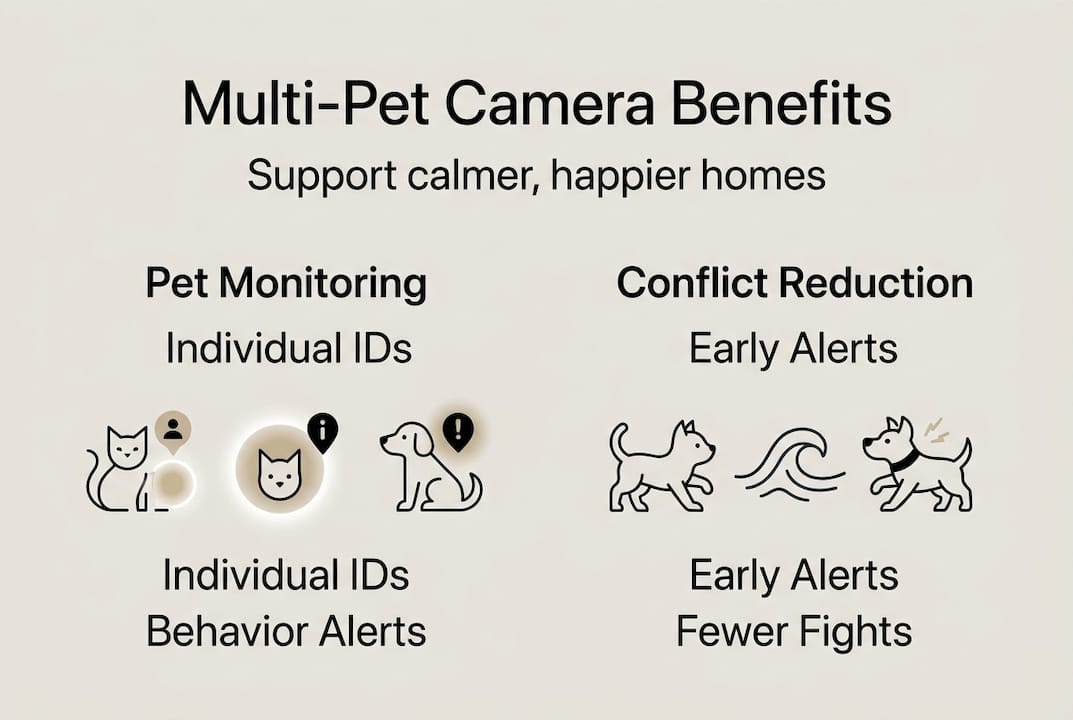
Understanding these technological foundations helps you set realistic expectations. When you know how AI pet camera comparison works under the hood, you can make smarter decisions about placement, settings, and which behaviors to monitor most closely.
Benefits of multi-pet cameras for managing conflicts and understanding pet interactions
Multi-pet cameras help reduce food fights and physical conflicts by identifying the involved pets with precision. Instead of guessing which dog started the scuffle or which cat ate the other’s food, you get video evidence showing exactly what happened. This accuracy matters because 68% of multi-pet owners misjudge culprits without camera evidence, leading to inaccurate interventions that can worsen behavior problems.
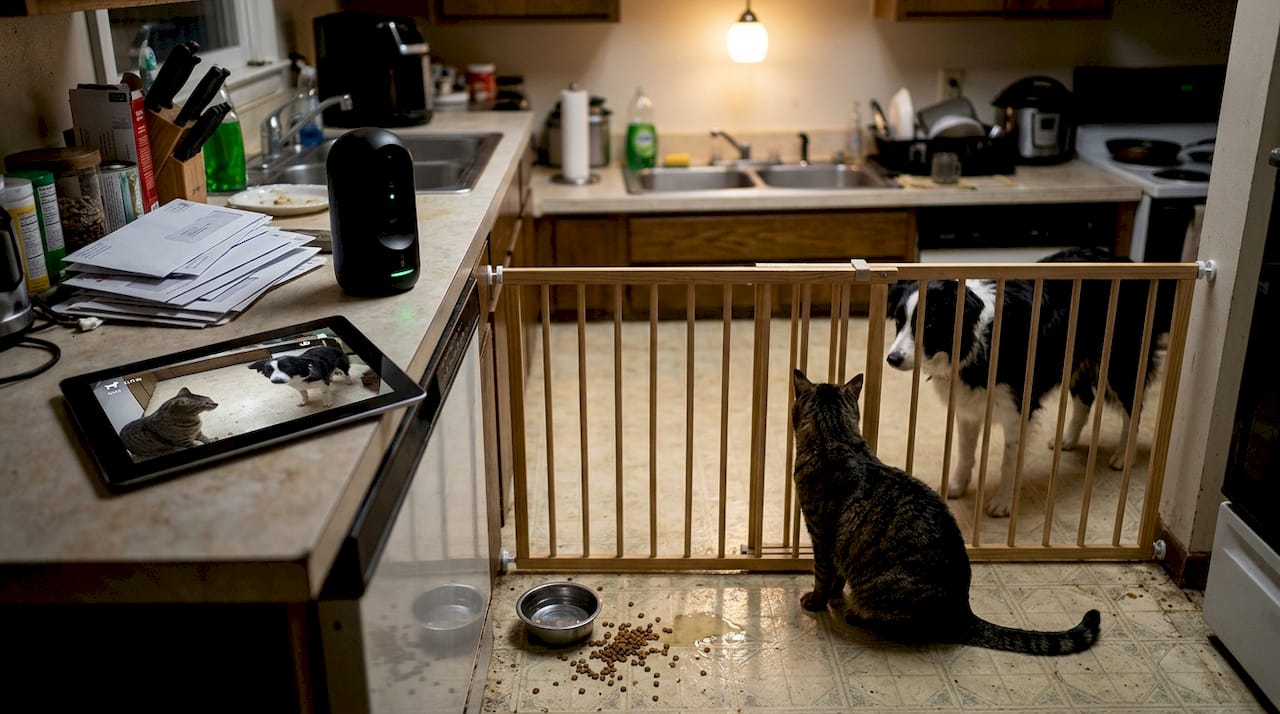
Cameras reveal social behaviors like bullying and resource guarding that remain invisible when you’re home. Pets often behave differently in your presence. Your submissive cat might be terrorizing your senior dog when you leave for work. Your friendly lab might be guarding the water bowl, preventing your smaller dog from drinking. These patterns only emerge through consistent monitoring over days or weeks.
The data shows measurable conflict reduction across popular models:
| Camera Model | Conflict Reduction Rate | Key Feature |
|---|---|---|
| Petlibro Scout | 60% | Individual pet activity tracking |
| Furbo Dog Camera | 57% | Treat tossing for redirection |
| Petcube Bites 2 | 54% | Two-way audio intervention |
| Yi Dome X | 51% | 360° pan-tilt coverage |
These reductions come from early intervention and behavior modification. When you catch resource guarding in its early stages, you can address it through training before it escalates into aggression. When you see one pet consistently avoiding another, you can create separate spaces or adjust feeding schedules.
Real-time alerts let you intervene immediately. If your camera detects unusual activity, like prolonged barking or a pet entering a restricted area, you receive a notification. You can then use two-way audio to redirect behavior or simply observe to understand the context. This immediate feedback loop helps pet monitoring tools for behavior work more effectively than delayed review of footage.
Pro Tip: Combine footage analysis with behavioral training to address identified problem behaviors effectively. Review recordings with a certified animal behaviorist to develop targeted intervention strategies.
The visibility these cameras provide transforms how you understand your pets’ relationships. You move from reactive discipline to proactive management, addressing root causes rather than symptoms. The pet behavior monitoring benefits anxiety relief 2026 extend beyond just watching, creating actionable insights that improve daily life for all your animals.
Role of multi-pet cameras in alleviating separation anxiety
AI-powered behavior monitoring helps identify early signs of anxiety through activity alerts that flag pacing, excessive vocalization, or destructive behaviors. These patterns often start subtly. Your dog might pace for five minutes after you leave, then settle. Over weeks, that five minutes becomes thirty, then an hour. Cameras catch this progression before it becomes severe.
Two-way audio and treat dispensing offer temporary comfort and engagement while owners are away. Hearing your voice can calm an anxious pet during their most stressful moments. Dispensing a treat provides a positive distraction, redirecting focus from the door you just walked through to an enjoyable activity. However, these are management tools, not cures.
Empirical data shows owner anxiety reduces 69% using AI cameras compared to 42% with standard cameras, though pet anxiety reduction requires comprehensive behavior plans. The cameras help you feel better because you can see your pets are okay. Your pets, however, need more than remote interaction to overcome genuine separation anxiety.
Multi-pet cameras are diagnostic aids, not standalone cures for anxiety. They help you gather data about when anxiety occurs, how long it lasts, and what triggers it. This information guides treatment plans developed with veterinary behaviorists. You might discover your dog only shows anxiety for the first fifteen minutes, suggesting a different approach than if anxiety persists all day.
AI alerts reduce owner stress but risk reinforcing pet dependence if overused.
Best practices for using multi-pet cameras with anxious pets include:
- Limit interactive sessions to specific times rather than constant engagement
- Use treat dispensing as part of a structured desensitization program
- Record footage to share with behavioral professionals for accurate assessment
- Combine camera monitoring with gradual alone-time training exercises
- Avoid using two-way audio every time your pet shows distress, which can increase dependence
The pet camera integration benefits shine when cameras work alongside professional guidance. A behaviorist might recommend specific times to dispense treats based on your pet’s anxiety curve. They might suggest using audio only during planned training sessions, not reactive interventions. The camera provides the data and tools, but expertise provides the strategy.
Understanding this distinction prevents disappointment and misuse. Cameras won’t fix separation anxiety by themselves, but they make evidence-based treatment possible. You replace guesswork with observation, emotional reactions with measured responses, and generic advice with personalized plans based on your pets’ actual behaviors.
Limitations and important considerations when using multi-pet cameras
AI accuracy varies significantly based on conditions and pet characteristics:
| Scenario | AI Accuracy | Common Issues |
|---|---|---|
| Well-lit, distinct pets | 85-92% | Minimal false positives |
| Similar-sized pets | 62-71% | Frequent misidentification |
| Low light conditions | 48-59% | Missed detections, ghost alerts |
| Fast movement/play | 54-67% | Tracking loss, incorrect labeling |
False alarms range from 9% to 43%, with glitches in activity labeling reported across all major brands. You might receive alerts about barking when your pet is sleeping, or activity notifications when shadows move across the room. These errors create alert fatigue, where you start ignoring notifications because too many are wrong.
WiFi connectivity interruptions impact real-time monitoring and notifications. When your internet drops, so does your camera connection. You lose live viewing, alerts stop arriving, and recordings might not save to the cloud. This dependency on stable internet makes cameras unreliable as sole monitoring solutions in areas with poor connectivity.
Subscription fees are often required for full AI capabilities and video storage. The camera itself might cost $150 to $300, but accessing advanced features like individual pet recognition, extended video history, or behavior analytics adds $5 to $15 monthly. Over a camera’s three to five year lifespan, subscription costs can exceed the initial purchase price.
Overreliance on cameras may cause pet dependence or misinterpretation of behaviors. If you constantly interact through the camera, your pet might become more anxious waiting for your voice. If you misread normal play as aggression or interpret attention-seeking as distress, you might intervene inappropriately, creating new behavior problems.
Additional limitations to consider:
- Battery-powered models require frequent recharging in multi-pet homes due to increased activity detection
- Cloud storage raises privacy concerns about who can access footage of your home
- Some AI features work only with specific pet types (dogs vs. cats) or sizes
- Customer support quality varies widely, affecting troubleshooting and warranty claims
- Integration with smart home systems is inconsistent across brands
Pro Tip: Use cameras as part of a holistic pet care and training strategy, not sole anxiety treatment tool. Combine monitoring with enrichment activities, exercise routines, and professional behavioral support for comprehensive results.
The purpose hd pet cameras serve is observation and engagement, not replacement for proper training or veterinary care. When you understand these boundaries, you use cameras more effectively. You don’t expect perfection from the AI. You plan for connectivity issues. You budget for subscriptions. You interpret footage carefully rather than jumping to conclusions.
These limitations don’t make multi-pet cameras useless, but they do require realistic expectations. The technology is impressive but imperfect. The benefits are real but not magical. When you approach cameras as helpful tools within a broader pet care strategy, they deliver value. When you expect them to solve all monitoring and anxiety challenges alone, you’ll be disappointed.
Explore top multi-pet camera solutions for your home
Now that you understand how multi-pet cameras work and their limitations, you’re ready to explore specific options designed for your household. ModernPetTech offers comprehensive guides on multi-pet cameras with AI features to reduce false alerts and promote peace of mind. Our detailed pet cameras guide 2025 breaks down the top models, comparing treat-dispensing capabilities, video quality, and AI accuracy across price points.

Whether you need help with multi-pet camera setup ai monitoring or want to understand the broader landscape of pet monitoring basics anxiety tech, our resources provide the clarity you need to make informed decisions. We’ve tested cameras in real multi-pet environments, documenting how they perform with dogs, cats, and mixed households to give you practical insights beyond manufacturer claims.
Frequently asked questions
Are multi-pet cameras worth the investment for all pet owners?
Multi-pet cameras provide the most value for households with three or more pets, especially when behavioral issues like conflicts or anxiety exist. Single-pet homes can usually manage with standard pet cameras unless specific monitoring needs justify the extra cost. If your pets coexist peacefully and you primarily want basic check-ins, a simpler camera saves money without sacrificing essential functionality. However, if you struggle to identify which pet is causing problems or need detailed behavior data for training, the AI capabilities justify the investment.
How do multi-pet cameras differentiate between pets that look alike?
AI uses size, movement patterns, and coat characteristics to distinguish pets, but struggles with very similar animals like littermates or same-breed pairs. Better lighting significantly improves differentiation accuracy, as does strategic camera placement that captures pets from multiple angles. Some advanced models allow manual tagging during a learning period, where you identify each pet to train the AI. Even with these improvements, expect occasional misidentification with very similar pets, particularly in low light or during fast movement.
Can multi-pet cameras help reduce my pet’s separation anxiety on their own?
Cameras aid anxiety recognition through behavior monitoring and provide engagement tools like treats and audio, but they do not replace professional training or behavior modification plans. Research shows cameras reduce owner anxiety more effectively than pet anxiety without accompanying treatment protocols. Integration with behavioral plans designed by certified trainers or veterinary behaviorists is essential for meaningful anxiety reduction. Think of cameras as diagnostic and support tools within a comprehensive treatment approach, not standalone solutions.
What should I look for when choosing a multi-pet camera?
Prioritize AI tracking accuracy, pan-tilt-zoom functionality, treat dispensing quality, and clear two-way audio when comparing models. Read verified user reviews about false alarm rates and AI performance with multiple pets rather than relying solely on marketing claims. Consider total cost of ownership including required subscriptions for cloud storage and advanced AI features. Check customer support quality and warranty terms, as technical issues are common and responsive support makes a significant difference in long-term satisfaction.
Recommended
- Multi-Pet Camera Setup: AI Cuts False Alerts 40%
- Benefits of Pet Cameras: Safer, Happier Pets at Home
- Pet Camera vs Home Security Camera: Which Creates a Safer, Happier Home?
- 7 Key Pet Camera Integration Benefits for Pet Owners
- De oneindige mogelijkheden van een wifi camera – KUUS.
