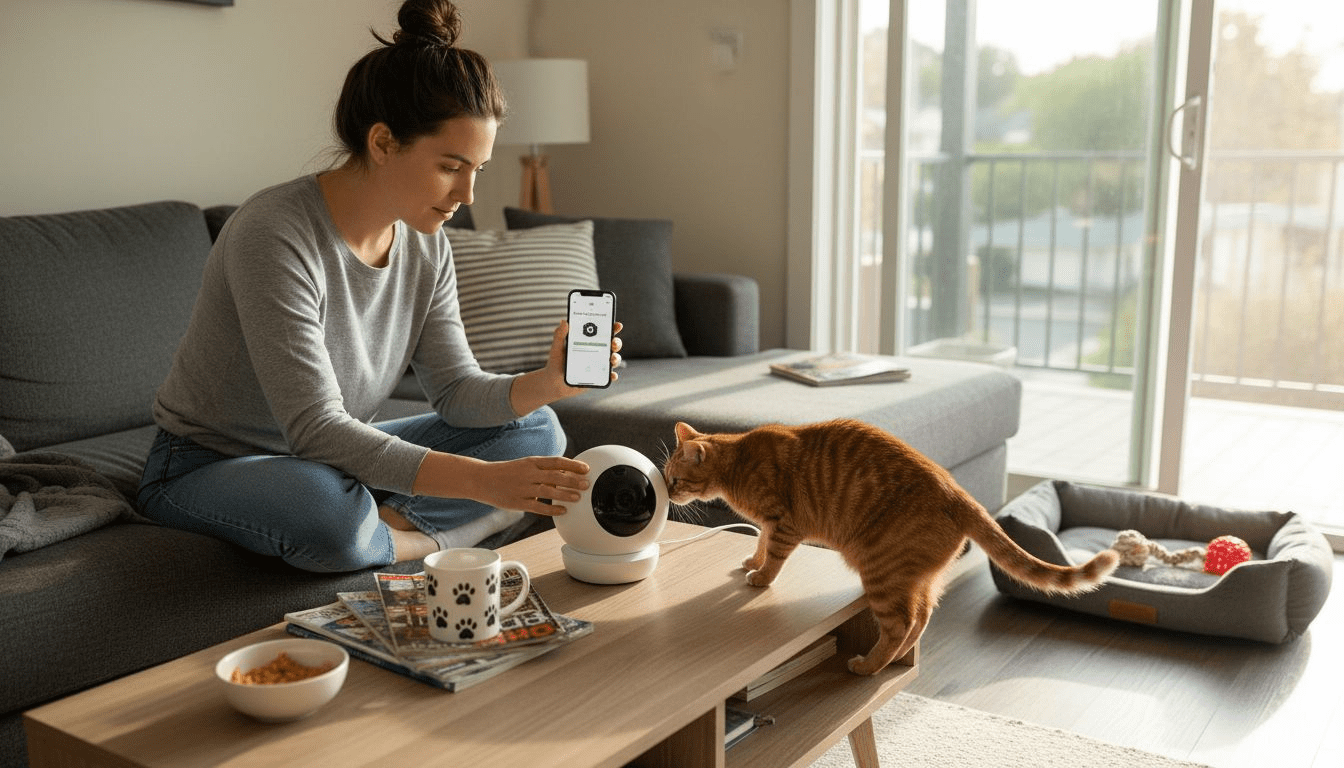
Leaving your pet home alone can leave you feeling anxious and uncertain about their well-being. With busy schedules and time away, it is easy to worry if your pet is safe, comfortable, and cared for when you cannot be there in person. Thanks to modern technology, it is now possible to watch your furry friend in real time, track their health, and even interact with them remotely.
This guide will show you how to get the most out of digital pet monitoring tools so you can make informed choices tailored to your pet’s specific needs. You will discover practical tips for evaluating features like video quality, two-way audio, and real-time health tracking. Get ready to find out how these intelligent systems can give you peace of mind and create stronger connections with your pet, no matter where you are.
Table of Contents
- 1. Define Your Pet’s Monitoring Needs
- 2. Evaluate Video Quality and Streaming Features
- 3. Check Two-Way Audio Capabilities
- 4. Consider Treat Dispensing Functionality
- 5. Assess Night Vision and Low-Light Performance
- 6. Review Smart Alerts and Motion Detection
- 7. Compare App Compatibility and User Experience
Quick Summary
| Takeaway | Explanation |
|---|---|
| 1. Define Your Pet’s Needs | Assess your pet’s specific monitoring requirements, including health and behavior, for effective care. |
| 2. Choose High-Quality Video | Look for pet cameras offering at least 720p resolution and low latency for clear monitoring. |
| 3. Prioritize Two-Way Audio | Ensure the pet camera has good audio capabilities for real-time interaction with your pet. |
| 4. Consider Treat Dispensing Features | Opt for treat dispensers that offer portion control and scheduling to engage your pet remotely. |
| 5. Evaluate Night Vision Capabilities | Select cameras with advanced night vision to monitor your pet’s activities at all hours. |
1. Define Your Pet’s Monitoring Needs
Understanding your pet’s unique monitoring requirements is the critical first step in selecting the right digital surveillance solution. Technology has revolutionized how we care for our animal companions, allowing us to stay connected and monitor their well-being remotely through advanced IoT pet tracking technologies.
When defining monitoring needs, consider these key factors:
- Pet Species and Behavior: Different animals have distinct monitoring requirements
- Home Environment: Size of living space and potential hazards
- Your Lifestyle: Work schedule and time spent away from home
- Pet’s Health Status: Age, existing medical conditions, activity levels
The goal is not just surveillance but creating a comprehensive care strategy that ensures your pet’s safety and comfort. Digital monitoring technologies enable caretakers to track critical health parameters and detect early signs of potential issues.
Your monitoring strategy should address several core objectives:
- Track physical activity and movement patterns
- Monitor environmental conditions like temperature and humidity
- Detect potential health changes or unusual behaviors
- Provide interactive communication capabilities
- Ensure home security while you’re away
Effective pet monitoring transforms technology from a mere tool into a compassionate care companion.
Pro tip: Start by creating a detailed profile of your pet’s specific needs and behaviors before investing in any monitoring technology.
2. Evaluate Video Quality and Streaming Features
Choosing a pet camera demands careful consideration of video streaming capabilities that ensure clear real-time monitoring. Modern pet surveillance technologies have transformed how we observe and interact with our animal companions through advanced video quality metrics.
Key video quality factors to assess include:
- Resolution clarity (720p minimum recommended)
- Frame rate smoothness
- Low latency streaming
- Color accuracy and reproduction
- Night vision capabilities
Advanced streaming features go beyond basic video transmission. They involve intelligent technologies that dynamically adjust video parameters based on your home network conditions. This means your pet camera can automatically optimize video quality to maintain a stable connection.
Consider these critical streaming performance aspects:
- Network bandwidth compatibility
- Automatic resolution adjustment
- Consistent frame-to-frame transmission
- Minimal video artifacts
- Robust connectivity options
High-quality video streaming transforms remote pet monitoring from a luxury to a necessity.
Technological advancements now enable pet cameras to provide semantically rich video content that captures not just images but meaningful interactions and behavioral insights.
Pro tip: Always test your home internet speed and choose a pet camera with adaptive streaming capabilities that can handle your specific network conditions.
3. Check Two-Way Audio Capabilities
Two-way audio transforms pet cameras from passive monitoring devices into interactive communication platforms. Modern technology now enables pet owners to seamlessly communicate with their pets remotely through advanced audio processing systems.
Key audio capability features to evaluate include:
- Audio clarity and sound quality
- Minimal transmission latency
- Noise reduction technologies
- Volume control range
- Speech detection accuracy
The sophistication of two-way audio goes beyond simple sound transmission. Advanced systems use intelligent algorithms to minimize background noise and ensure crisp communication between you and your pet.
Consider these critical audio interaction aspects:
- Real-time response speed
- Background noise filtering
- Microphone sensitivity
- Speaker volume range
- Compatibility with mobile devices
Two-way audio bridges the emotional distance when you cannot be physically present with your pet.
These communication technologies leverage multimodal joint training techniques that synchronize audio and video streams. This means your pet camera can provide a more natural interaction experience that feels almost like being in the same room.
Pro tip: Test the two-way audio system thoroughly during the return window to ensure the communication quality meets your specific home environment and pet’s responsiveness.
4. Consider Treat Dispensing Functionality
Treat dispensing technology transforms remote pet interaction from passive monitoring to active engagement. IoT-based pet feeders have revolutionized how we care for and reward our animal companions when we cannot be physically present.
Key treat dispensing features to evaluate include:
- Portion control precision
- Scheduled treat release
- Manual on-demand dispensing
- Compatibility with different treat sizes
- Nutritional tracking capabilities
Modern treat dispensers are more than simple food machines. They represent sophisticated digital care platforms that combine nutrition management with behavioral reinforcement and emotional connection.
Consider these critical treat dispensing aspects:
- Accuracy of treat measurement
- Compatibility with various treat types
- Ease of cleaning and maintenance
- Battery life and power options
- Mobile app integration
Treat dispensing bridges the emotional gap between technology and pet care.
These advanced systems use microcontroller programming and servo motor technologies to ensure precise treat delivery. This means you can reward your pet for good behavior or provide comfort during moments of separation with remarkable accuracy.
Pro tip: Choose a treat dispenser with adjustable portion sizes to maintain your pet’s dietary health and prevent overfeeding during remote interactions.
5. Assess Night Vision and Low-Light Performance
Night vision capabilities transform pet cameras from daytime monitoring tools to round-the-clock companions. Advanced imaging sensors have revolutionized our ability to observe pets in low-light environments.
Key night vision features to evaluate include:
- Infrared sensor quality
- Visibility range in darkness
- Image noise reduction
- Frame rate in low light
- Grayscale resolution
Modern digital night vision technologies go beyond simple black and white imaging. They leverage sophisticated sensor technologies that convert minimal light into clear digital signals enabling precise pet monitoring during nighttime hours.
Consider these critical night vision performance aspects:
- Minimum light sensitivity
- Field of view in darkness
- Video quality during low-light conditions
- Infrared illumination range
- Noise reduction capabilities
Exceptional night vision transforms your pet camera from a daylight tool to a 24/7 monitoring system.
These advanced systems utilize high dynamic range imaging techniques to enhance visibility without introducing excessive visual noise. This means you can confidently monitor your pet’s nighttime activities with unprecedented clarity.
Pro tip: Request a live night vision demonstration before purchasing to ensure the camera performs effectively in your specific home lighting conditions.
6. Review Smart Alerts and Motion Detection
Smart alerts transform pet cameras from passive monitoring devices into proactive security systems. Computer vision algorithms now enable real-time detection and instantaneous owner notifications.
Key smart alert features to evaluate include:
- Customizable detection zones
- Animal-specific recognition
- Adjustable sensitivity levels
- Multiple notification channels
- Quick response time
Modern motion detection technologies leverage sophisticated machine learning techniques to distinguish between routine movements and potentially concerning activities. This means you receive intelligent alerts that matter most.
Consider these critical alert system aspects:
- Precision of motion tracking
- Ability to filter false alarms
- Notification delivery speed
- Cross-platform alert compatibility
- Detailed event logging
Smart alerts bridge the gap between remote monitoring and immediate intervention.
Advanced systems can now classify different types of animal movements and behaviors providing context beyond simple motion detection. This enables more meaningful and less intrusive monitoring of your pet’s daily activities.
Pro tip: Test alert settings thoroughly during the initial setup to fine-tune sensitivity and prevent notification fatigue.
7. Compare App Compatibility and User Experience
The mobile application is the critical interface connecting you with your pet camera’s advanced monitoring capabilities. Compatibility testing ensures seamless performance across diverse mobile platforms and devices.
Key app compatibility factors to evaluate include:
- Cross-platform support
- iOS and Android integration
- Tablet and smartphone responsiveness
- User interface design
- Performance stability
Modern user experience design leverages sophisticated AI technologies to create intuitive interfaces that simplify complex monitoring functions. This means you can effortlessly interact with your pet camera through an intelligent mobile application.
Consider these critical app experience aspects:
- Intuitive navigation
- Real-time feature responsiveness
- Customization options
- Performance across different devices
- Frequency of software updates
A well-designed pet camera app transforms technology from complicated to comfortably accessible.
Advanced applications now use behavioral data analysis to optimize user interactions ensuring that pet owners can easily manage monitoring features treat dispensing and alert settings with minimal learning curve.
Pro tip: Download and test the companion app before purchasing the pet camera to ensure its interface matches your technical comfort level and specific monitoring needs.
Below is a comprehensive table summarizing the key strategies and considerations for choosing digital monitoring solutions for pets as discussed in the article.
| Topic | Description | Key Considerations |
|---|---|---|
| Pet Monitoring Needs | Understanding the unique requirements for tracking pet activity and health remotely. | Consider species, home environment, owner lifestyle, and pet health. |
| Video Quality & Streaming | Evaluating video resolution, frame rate, and streaming features for real-time monitoring. | Prioritize streaming clarity, automatic adjustments, and comprehensive connectivity. |
| Two-Way Audio Features | Enabling interactive communication through advanced audio systems. | Assess sound clarity, noise reduction, and responsiveness. |
| Treat Dispensing Technology | Using IoT systems to reward pets and maintain dietary control remotely. | Consider portion accuracy, compatibility with treats, and app integration. |
| Night Vision Capabilities | Monitoring pets effectively during low-light conditions using advanced sensors. | Review infrared quality, illumination range, and image clarity. |
| Smart Alerts & Detection | Utilizing motion sensors and smart notifications for proactive pet monitoring. | Test sensitivity levels, notification reliability, and false alarm filtering. |
| App Compatibility & UX | Ensuring mobile app interfaces are user-friendly and platform-compatible. | Choose apps with intuitive menus, cross-platform support, and regular updates. |
Find the Perfect Pet Camera Using Expert Guidance and Detailed Reviews
Choosing the ideal pet camera that fits your pet’s unique needs and your lifestyle can be overwhelming. This 7-Step Pet Camera Buying Checklist highlights critical features like video quality, two-way audio, treat dispensing, night vision, and smart alerts to help you invest wisely. If you want to avoid common pitfalls and ensure your pet stays safe and happy while you’re away, understanding these essential aspects is crucial.
Discover comprehensive comparisons and expert insights at Guides & Comparisons – ModernPetTech.
Ready to reduce your pet’s separation anxiety, stay connected in real time, and enhance home security? Explore in-depth reviews and detailed product breakdowns on Pet Cameras. Empower yourself with knowledge and make confident purchasing decisions today. Visit ModernPetTech now and turn advanced pet monitoring technology into compassionate care your pet deserves.
Frequently Asked Questions
What should I consider first when defining my pet’s monitoring needs?
Understanding your pet’s unique requirements is essential. Begin by assessing factors like your pet’s species, behavior, health status, and your home environment to create a tailored monitoring strategy.
How can I evaluate the video quality of a pet camera?
Start by checking the camera’s resolution, frame rate, and night vision features. Aim for a minimum resolution of 720p and ensure the camera offers low latency streaming for real-time monitoring.
What key features should I look for in a pet camera’s two-way audio system?
Focus on audio clarity, minimal latency, and noise reduction capabilities. Testing these features during the review phase will help ensure effective communication with your pet from a distance.
Why is treat dispensing functionality important in a pet camera?
Treat dispensing technology allows for active engagement with your pet while you’re away. Choose a device with precise portion control and scheduled dispensing to effectively reward your pet, promoting good behavior and connection.
How do smart alerts and motion detection enhance pet monitoring?
These features enable proactive notifications about unusual behavior or movements. Set customizable detection zones to filter out routine activities and receive alerts that focus on significant events.
What should I consider when reviewing the mobile app for my pet camera?
Evaluate compatibility across devices and ensure the interface is user-friendly. Testing the app’s responsiveness and customization options will help you effectively manage your pet’s monitoring features.
Recommended
- Pet Camera Setup Explained: Boosting Safety and Connection
- How to Choose Pet Camera for Safer Remote Monitoring
- 7 Pet Monitoring Best Practices for Tech-Savvy Owners
- Pet Monitoring Setup Guide: Effortless Home Camera System
- Top caméras ludiques nature – Comparaison des 7 meilleures en 2025 – The Zoofamily

4 thoughts on “7-Step Pet Camera Buying Checklist for Tech-Savvy Owners”