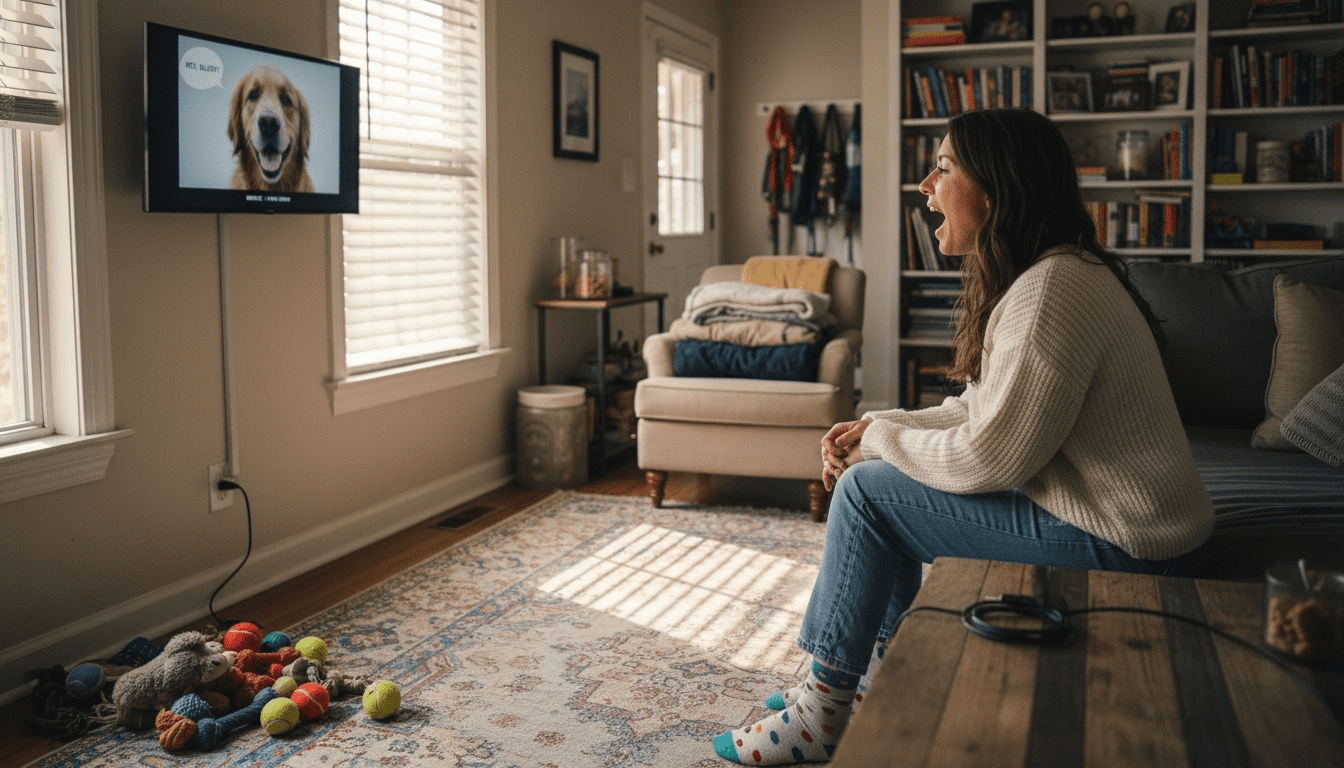
Think two-way pet communication can replace being there for your furry friend? It can’t. But what this technology does offer is real-time audio and video interaction that reduces anxiety, enhances safety, and strengthens your bond when you’re away. Smart pet monitors let you talk to your pet, hear their responses, and see them in action, creating a new way to stay connected throughout the day.
Table of Contents
- Key Takeaways
- Introduction To Two-Way Pet Communication
- How Two-Way Communication Technology Works
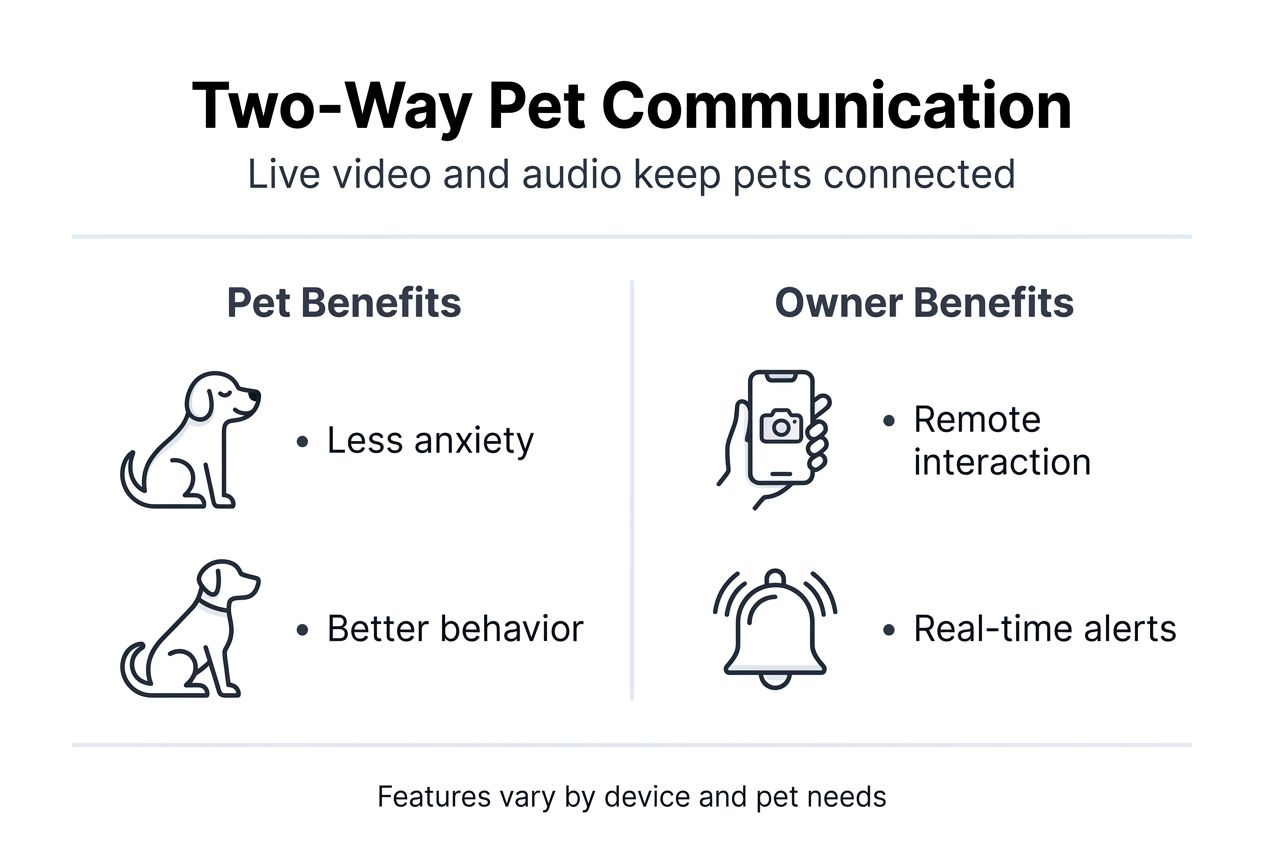
- Benefits Of Two-Way Communication For Pet Anxiety And Safety
- Common Misconceptions About Two-Way Pet Communication
- Comparison Of Leading Smart Pet Monitoring Devices
- Limitations And Use Case Considerations
- Real-World Applications And Case Studies
- Conclusion And Best Practices
- Enhance Your Pet Care With Smart Monitoring Devices
- Frequently Asked Questions
Key takeaways
| Point | Details |
|---|---|
| Real-time interaction | Two-way pet communication enables live audio and video exchanges between you and your pet through smart monitors. |
| Anxiety reduction | Remote interaction can reduce separation anxiety behaviors by up to 40% in dogs. |
| Device features vary | Popular options like Furbo include treat dispensing and bark alerts, while Petcube focuses on HD video quality. |
| Latency matters | Audio delays over 2 seconds confuse pets and disrupt natural communication flow. |
| Supplements physical care | Technology enhances connection but never replaces exercise, training, or in-person bonding. |
Introduction to two-way pet communication
Two-way pet communication represents interactive audio and video technology built into smart pet monitors. Unlike one-way cameras that only let you watch, these devices create a conversation. You speak through your phone, your pet hears you through the device speaker, and you hear their barks or meows in return.
This technology emerged as a standout feature in the pet tech market because it addresses a core need: maintaining connection during separation. Pet owners working long hours or traveling frequently wanted more than surveillance. They wanted interaction.
The main goals of two-way communication include:
- Engaging with pets during extended absences to reduce loneliness
- Providing immediate verbal comfort during anxiety episodes
- Correcting unwanted behaviors remotely through vocal commands
- Strengthening emotional bonds despite physical distance
- Monitoring pet safety and responding to emergencies in real time
These systems work best when integrated into a broader care routine. The technology creates opportunities for connection that weren’t possible a decade ago, but it functions as a tool, not a replacement for physical presence.
How two-way communication technology works
Smart pet monitors use microphones to capture your voice from your smartphone and speakers to broadcast it in your home. Your pet hears you clearly, assuming the device quality supports it. The camera captures video while the microphone picks up sounds from your pet’s environment.
Latency determines whether communication feels natural or awkward. Delays over 2 seconds create confusion because your pet can’t connect your voice to a response they expect. Latency and audio delay in cheaper devices can disrupt natural communication flow, causing pet confusion rather than comfort.
HD video quality enhances engagement by letting you observe body language. When you see your dog’s tail wagging or ears perking up, you adjust your tone and timing. This visual feedback loop improves your ability to respond appropriately.
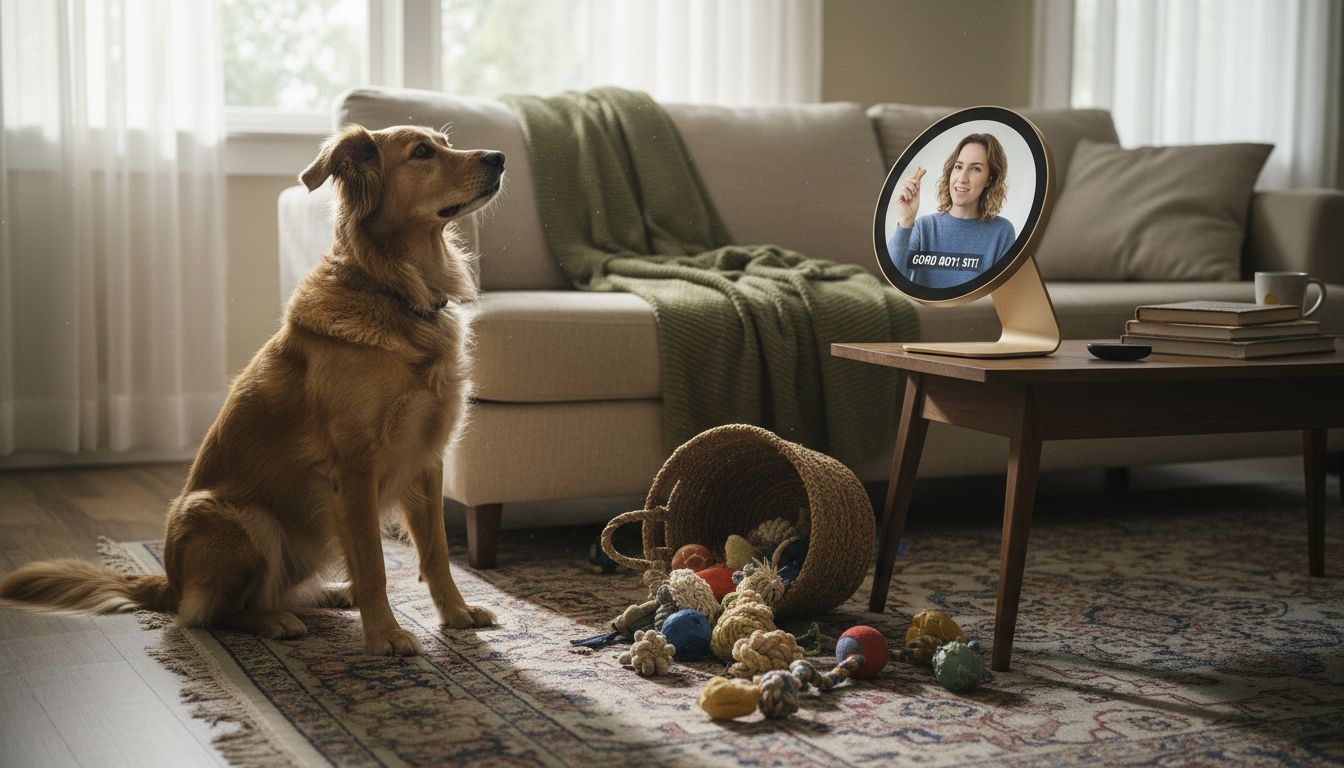
Synchronization challenges occur when audio and video streams don’t align. Your pet might appear to react before you finish speaking, or their bark arrives seconds after you see their mouth open. Quality devices minimize this issue through better processing and network optimization.
Key technical components include:
- High-sensitivity microphones for clear audio capture in noisy environments
- Speakers with sufficient volume and clarity for pets to recognize voices
- Low-latency streaming protocols to maintain conversation flow
- HD cameras for behavioral observation and emotional connection
- Stable Wi-Fi connectivity to prevent dropouts during interaction
Pro Tip: Invest in devices tested for low latency to avoid confusing your pet. Check reviews mentioning using two-way audio with pets to identify models with minimal delays. A two-way audio pet camera with tested performance prevents frustration for both you and your companion.
Benefits of two-way communication for pet anxiety and safety
Remote interaction delivers measurable psychological benefits for pets experiencing separation anxiety. Studies show remote interaction via two-way communication reduces separation anxiety behaviors in dogs by up to 40%. This includes decreased whining, pacing, and destructive chewing during owner absence.
Verbal interventions through smart monitors can lower destructive behaviors by approximately 35%. When you catch your dog approaching the couch cushions, a firm “no” redirects them immediately. This real-time correction reinforces training even when you’re not physically present.
Safety advantages extend beyond behavior management. Remote warnings help you respond to emergencies quickly. If your pet gets into something dangerous or an intruder enters your home, you can alert neighbors or emergency services while communicating with your pet.
Emotional bonds strengthen through consistent interaction. Hearing your voice throughout the day reassures anxious pets and maintains connection. This emotional support becomes especially valuable during transitions like moving, introducing new family members, or recovering from illness.
“Studies show remote interaction via two-way communication reduces separation anxiety behaviors in dogs by up to 40%, providing measurable relief for both pets and owners.”
Key benefits include:
- Immediate anxiety relief during stressful episodes or loud noises
- Behavior correction that reinforces training consistency
- Safety monitoring with emergency response capability
- Emotional reassurance that reduces stress hormones
- Strengthened owner-pet relationship through frequent positive contact
The two-way audio impact on anxiety varies by pet temperament and training history. Some dogs respond immediately to vocal cues, while others need multiple sessions to associate the device with their owner. Understanding these benefits of two-way audio helps you set realistic expectations.
Common misconceptions about two-way pet communication
Many pet owners mistakenly believe smart monitors can substitute for physical presence. Technology provides connection, but it doesn’t replace exercise, play, or tactile affection. Your dog still needs walks, and your cat still requires interactive play sessions.
Cheaper devices with high latency create more confusion than comfort. If your voice arrives seconds after you speak, your pet can’t connect the sound to expected outcomes. This inconsistency undermines training and may increase anxiety rather than reduce it.
Two-way communication alone isn’t sufficient for complex anxiety cases. Pets with severe separation anxiety or trauma histories need comprehensive treatment plans including behavior modification, possible medication, and professional guidance. Technology supports these plans but doesn’t replace them.
The most effective approach combines remote interaction with in-person bonding and training. Schedule regular two-way sessions, but prioritize quality time when you’re home. Use the technology to maintain connection, not as your primary relationship tool.
Common myths to avoid:
- Believing remote interaction eliminates the need for dog walkers or pet sitters
- Expecting instant behavioral changes without consistent training
- Assuming all pets respond equally to voice-only communication
- Thinking expensive devices guarantee better results than quality interaction
- Expecting technology to fix relationship issues or neglect consequences
Pro Tip: Always combine tech use with in-person interaction for best results. Your pet needs physical presence to feel secure and loved, regardless of how good your smart monitor is.
Comparison of leading smart pet monitoring devices
Furbo and Petcube dominate the two-way pet communication market with different feature priorities. Furbo and Petcube both offer reliable two-way communication, but Furbo has added features like barking alerts and treat tossing, suiting more anxiety-prone pets.
| Feature | Furbo Dog Camera | Petcube Bites 2 |
|---|---|---|
| Two-way audio quality | Clear, low latency | HD audio, minimal delay |
| Video resolution | 1080p HD | 1080p HD, 160° view |
| Treat dispenser | Yes, customizable toss | Yes, portion control |
| Bark alerts | Yes, with notifications | No dedicated bark detection |
| Night vision | Yes, infrared | Yes, automatic switching |
| Subscription features | Cloud recording, alerts | 24/7 video history, alerts |
| Best for | Anxious dogs, vocal pets | Multi-pet homes, cats |
Furbo excels with anxiety-focused features. Barking alerts notify you when your dog vocalizes, letting you respond immediately. The treat dispenser rewards calm behavior and creates positive associations with your voice. These features make Furbo particularly effective for dogs prone to separation anxiety.
Petcube prioritizes video quality and app design. The 160° wide-angle lens captures more of your space, useful for monitoring multiple pets. The interface feels more intuitive for users wanting quick access during busy workdays.
User satisfaction ratings favor Furbo for anxiety management. Pet owners report better engagement when combining vocal cues with treat rewards. Petcube users appreciate the superior video quality and reliability for general monitoring.
Choosing between devices depends on your pet’s specific needs:
- Select Furbo if your dog has separation anxiety or destructive chewing habits
- Choose Petcube for multi-pet households or cats who respond better to visual monitoring
- Consider your budget for subscription features like cloud recording and extended video history
- Evaluate your Wi-Fi stability since both devices require consistent connectivity
Explore detailed pet camera features to understand what matters most for your situation. Testing voice interaction in pet cams with your pet’s temperament helps identify the best match.
Limitations and use case considerations
Technical limitations affect communication effectiveness regardless of device quality. Network instability causes audio dropouts that confuse pets mid-interaction. If your Wi-Fi struggles with multiple devices, adding a pet camera may worsen performance for everyone.
Latency and device quality impact communication effectiveness; behavioral factors influence pet response significantly. A dog trained with consistent verbal cues responds better than one lacking that foundation. Your pet’s hearing ability, age, and previous technology exposure also affect results.
Complex anxiety cases require multi-modal care beyond technology. If your dog destroys furniture despite regular remote check-ins, consult a veterinary behaviorist. Medication, environmental changes, or intensive training may be necessary.
Pet behavior differences create varying success rates. Some dogs immediately recognize their owner’s voice through speakers, while others need weeks of positive reinforcement. Cats typically respond less enthusiastically than dogs to audio-only interaction.
Realistic applications include:
- Providing comfort during brief separations like work hours or errands
- Reinforcing training commands for pets with established verbal cue understanding
- Monitoring safety during routine absences, not replacing pet sitters for extended trips
- Supplementing anxiety management plans alongside professional treatment
- Maintaining connection during temporary separations, not permanent lifestyle changes
Monitor your pet’s responses and adjust usage frequency accordingly. If your dog becomes more anxious after sessions, you may be overusing the device or timing interactions poorly. Quality matters more than quantity. Three meaningful five-minute sessions often work better than constant background chatter.
Technology supplements physical activity and training rather than replacing them. Schedule walks before and after work, arrange play dates, and maintain enrichment activities. The monitor enhances your care routine but shouldn’t become its foundation.
Real-world applications and case studies
A US household reported significant behavioral improvements through consistent remote interaction. Consistent daily remote two-way communication sessions over 3 months decreased their dog’s destructive behaviors by 25%. The owners scheduled three 10-minute sessions daily, combining vocal reassurance with treat rewards.
Practical scenarios demonstrating technology value include:
- A working professional calming their anxious dog during thunderstorms by speaking soothingly through the monitor
- Parents checking on their elderly cat during lunch breaks, providing vocal comfort and monitoring eating habits
- A couple using treat dispensing with verbal cues to redirect their puppy from chewing furniture
- An owner noticing unusual lethargy through video monitoring and seeking veterinary care before symptoms worsened
- Remote workers maintaining connection with pets in separate rooms without constantly interrupting their workflow
Veterinary behaviorists emphasize that success depends on consistency and realistic expectations. Dr. Sarah Mitchell notes that two-way communication works best when integrated into comprehensive care plans. Pets respond positively to familiar voices, but the technology doesn’t replace socialization, exercise, or enrichment.
Adaptability to different pet temperaments varies widely. High-energy dogs benefit from scheduled interaction that breaks up long alone periods. Anxious dogs need gradual introduction to the device, starting with short sessions when owners are home. Cats typically respond better to visual monitoring than voice-only interaction.
The key takeaway from case studies shows that consistent remote communication benefits behavior and safety when used appropriately. Pet owners who view monitors as connection tools rather than replacement caregivers achieve the best outcomes.
Conclusion and best practices
Two-way pet communication technology offers genuine benefits when used as part of comprehensive pet care. The research confirms anxiety reduction and behavior improvements, but only when combined with physical interaction, exercise, and proper training.
Implementing this technology effectively requires intentional planning:
- Schedule regular sessions at consistent times to create predictable routines your pet anticipates positively
- Start with short interactions when you’re home so your pet associates the device with your presence
- Choose devices with tested low latency and features matching your pet’s specific anxiety triggers or behaviors
- Monitor your pet’s responses carefully and adjust session frequency, duration, and timing based on their reactions
- Maintain physical exercise routines, training consistency, and in-person bonding as your care foundation
- Consult veterinary behaviorists or certified trainers for complex anxiety cases requiring professional intervention
Quality interaction matters more than frequency. Five focused minutes of vocal reassurance and treat rewards often produces better results than constant background chatter. Pay attention to your pet’s body language through the video feed and adjust your approach accordingly.
Device selection should reflect your pet’s needs rather than marketing hype. A dog with separation anxiety benefits from bark alerts and treat dispensing, while a curious cat might respond better to HD video quality and wide-angle monitoring. Test features during the return period to ensure they match your expectations.
Pro Tip: Combine treat dispensing with vocal cues for maximum engagement. Say your pet’s name, give a simple command they know well, then trigger the treat release as they comply. This reinforces training and creates positive associations with the device.
The technology supplements your relationship rather than defining it. Use monitors to maintain connection during unavoidable absences, but prioritize physical presence whenever possible. Your pet values your touch, scent, and direct attention more than any device can provide.
Enhance your pet care with smart monitoring devices
Ready to strengthen your connection with your pet during work hours and daily errands? Modern pet monitoring technology offers practical solutions for anxiety reduction and safety monitoring. Explore our comprehensive guides to examples of smart pet devices designed specifically for two-way communication.
Whether you’re managing separation anxiety or simply want to check in throughout the day, understanding pet monitoring basics for anxiety helps you choose features that match your needs. Review our detailed pet camera feature breakdown to compare options and find the perfect device for your household.
Frequently asked questions
What is two-way pet communication and how does it work?
Two-way pet communication uses microphones and speakers in pet monitors to enable real-time audio interaction between owners and pets, often with HD video support. You speak through your smartphone app, your voice plays through the device speaker in your home, and you hear your pet’s responses through your phone. This creates interactive conversations despite physical distance.
Can two-way communication devices fully replace being with my pet?
No, these devices supplement but do not replace physical exercise, bonding, and care needed for healthy pet relationships. Your pet still requires walks, play sessions, training, and tactile affection. Technology maintains connection during necessary separations but should never become your primary caregiving method.
What should I look for when choosing a two-way pet communication device?
Look for audio latency under 2 seconds to maintain natural conversation flow and avoid confusing your pet. Consider additional features like treat dispensing for positive reinforcement and bark alerts if your dog has anxiety triggers. Ensure the device works with your home Wi-Fi setup and offers an intuitive app interface you’ll actually use consistently.
Are there any limitations I should be aware of when using two-way pet communication?
High latency or poor audio quality in cheaper devices may confuse pets rather than comfort them. Technology works best as part of a broader care plan that includes exercise, training, and professional guidance for complex anxiety cases. Some pets respond differently depending on their temperament, age, hearing ability, and previous experience with technology.
Recommended
- Two-Way Audio: Enhancing Pet Camera Interaction
- 6 Key Benefits of Two-Way Audio for Pet Owners
- How to Use Two-Way Audio With Pets for Remote Interaction
- Role of Two-Way Audio in Pet Cameras: Impact on Anxiety
