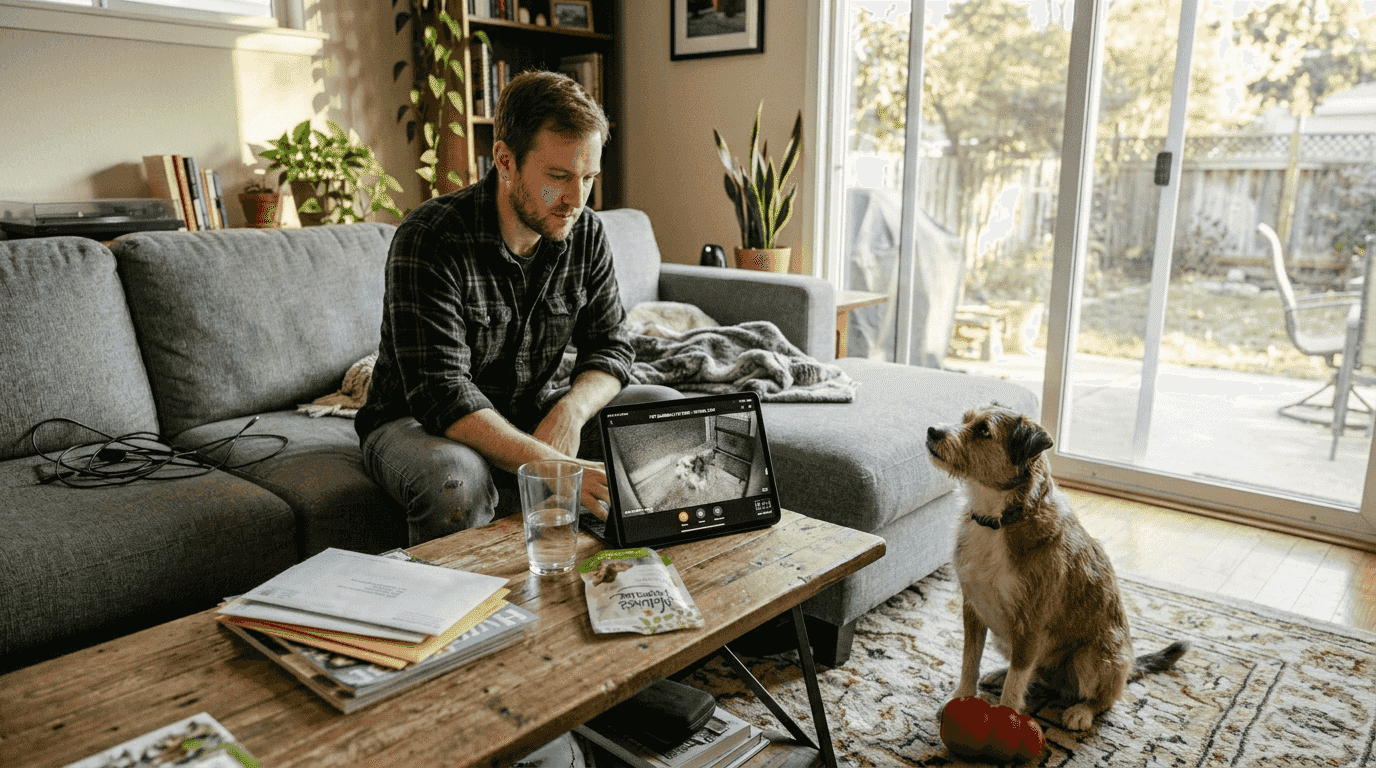
Selecting the right pet surveillance technology can feel overwhelming with countless devices promising to keep your furry friend safe and happy. The key to making a smart choice lies in understanding essential criteria like connectivity, sensor types, interactive features, and strategic placement. This comprehensive checklist will guide you through evaluating and selecting pet monitoring solutions that truly work for your home and pet’s unique needs in 2026, helping you reduce anxiety and enhance safety through proven technology.
Table of Contents
- Essential Criteria For Choosing Pet Surveillance Technology
- Top Pet Surveillance Devices And Features To Consider
- Strategic Sensor Placement And Setup Tips For Effective Monitoring
- Comparing Pet Surveillance Setups: Find What Fits Your Home And Pet
- Enhance Your Pet Monitoring With Expert-Approved Devices And Guides
- Frequently Asked Questions
Key takeaways
| Point | Details |
|---|---|
| Essential criteria matter | Evaluate connectivity, sensor types, placement strategy, and interactive features before purchasing any pet monitoring device. |
| Network stability is critical | Reliable network performance is crucial for accurate pet activity tracking and real-time alerts. |
| Strategic placement maximizes coverage | Effective pet surveillance requires careful sensor placement to eliminate blind spots and capture meaningful activity. |
| Interactive features reduce anxiety | Two-way audio and treat dispensing help maintain connection with pets during separation. |
| Multiple device types serve different needs | Compare stand-alone cameras, multi-sensor systems, and interactive feeders to match your specific monitoring goals. |
Essential criteria for choosing pet surveillance technology
Before you invest in any pet monitoring device, you need to understand the fundamental criteria that separate effective solutions from disappointing purchases. The foundation of any smart pet surveillance system starts with network reliability. Reliable network performance is crucial for accurate pet activity tracking, meaning your Wi-Fi setup must support consistent real-time streaming without dropouts. A camera that loses connection during critical moments defeats the entire purpose of monitoring.
Sensor variety plays an equally important role in comprehensive pet monitoring. Modern devices combine multiple detection methods to give you a complete picture of your pet’s activities and environment:
- Motion sensors detect movement patterns and unusual activity
- Audio sensors pick up barking, whining, or distress sounds
- Temperature monitors alert you to dangerous climate conditions
- Night vision capabilities maintain visibility in low light
Interactive features transform passive observation into active engagement. Two-way audio lets you speak to your pet, offering reassurance during stressful moments. Treat dispensers reward good behavior remotely, maintaining training consistency even when you’re away. These capabilities directly address separation anxiety, one of the most common behavioral challenges pet owners face.
User experience matters more than most people realize. A powerful device with a confusing app becomes frustrating quickly. Look for intuitive interfaces, customizable alert settings, and quick access to live feeds. How to choose pet camera features should prioritize simplicity alongside functionality.
Battery backup and alert reliability round out the essential criteria. Power outages shouldn’t leave you blind to pet emergencies. Devices with battery backup maintain monitoring during electrical failures. Smart alert systems filter routine movements from genuine concerns, preventing notification fatigue while ensuring you never miss important events.
Pro Tip: Test your home’s Wi-Fi signal strength in areas where you plan to place monitoring devices before purchasing. Weak signals cause buffering and missed alerts, undermining your entire surveillance setup.
Consider how these criteria align with pet home security tips 2026 to create a comprehensive safety strategy that protects both your pet and property.
Top pet surveillance devices and features to consider
The pet monitoring market in 2026 offers three primary device categories, each serving distinct needs and budgets. Understanding these options helps you match technology to your specific situation rather than buying based on marketing hype.
Smart cameras with motion detection and two-way audio dominate the market for good reason. These devices provide real-time visual access to your pet’s activities, allowing you to check in anytime from your smartphone. Popular models include:
- High-definition cameras with pan, tilt, and zoom capabilities for full room coverage
- Wide-angle lenses that capture entire spaces without blind spots
- Cloud storage options for reviewing past footage and identifying behavior patterns
- AI-powered alerts that distinguish between your pet and other household movements
Interactive feeders represent the next evolution in pet care technology. These devices maintain feeding schedules automatically, ensuring your pet eats on time even when your schedule changes unexpectedly. Advanced models integrate with monitoring systems, allowing you to observe your pet’s eating habits and adjust portions based on activity levels tracked by connected sensors.
Multi-sensor systems provide holistic data collection that goes beyond simple video monitoring. These comprehensive setups track activity levels, sleep patterns, and environmental conditions simultaneously. The data reveals health trends you might miss through casual observation, like decreased activity that could indicate illness or discomfort.
Battery backup functionality has become standard in premium devices following widespread power grid issues. Devices that continue operating during outages ensure continuous protection, particularly important for pets with medical conditions requiring constant supervision.
AI-based behavior alerts represent the cutting edge of pet surveillance technology. These systems learn your pet’s normal patterns and flag deviations automatically. Instead of reviewing hours of footage, you receive targeted notifications when your dog barks excessively or your cat accesses restricted areas.
Explore examples of smart pet devices to see how these features work in real-world applications. Understanding how to optimize pet camera features ensures you extract maximum value from your investment.
Strategic sensor placement and setup tips for effective monitoring
Even the most sophisticated surveillance technology fails without proper placement. Effective pet surveillance requires careful sensor placement to capture meaningful activity while avoiding false alerts and blind spots.
Start by mapping your pet’s favorite locations and typical movement patterns. Place cameras to cover areas where your pet spends the most time, including sleeping spots, feeding areas, and favorite lounging zones. Entryways deserve special attention since they reveal when your pet accesses different rooms or attempts to escape.

Physical obstacles create the most common surveillance failures. Furniture, walls, and decorative items block sensor signals and camera views, creating dead zones where activity goes undetected. Survey each potential camera location from multiple angles, ensuring clear sightlines to target areas. Remember that pets move at floor level, so cameras mounted too high may miss important details.
Height and angle dramatically affect monitoring quality:
- Mount cameras 5 to 7 feet high for optimal coverage of medium to large spaces
- Angle cameras slightly downward to capture floor-level activity without distortion
- Avoid pointing cameras directly at windows where sunlight causes glare and washes out images
- Position sensors away from heating vents and air conditioners that trigger false motion alerts
Multiple sensors eliminate blind spots that single-device setups inevitably create. A comprehensive system uses three to five strategically placed devices depending on home size and layout. This redundancy ensures you maintain visibility even if one device experiences technical issues or gets knocked offline.
Regular testing and adjustment keep your surveillance system effective as your pet’s behavior evolves. Puppies and kittens develop new movement patterns as they mature, potentially requiring camera repositioning. Seasonal changes affect natural lighting, which may necessitate adjusting camera settings or relocating devices.
Pro Tip: Use painter’s tape to mark potential camera positions before permanently mounting devices. Live test each location for 24 hours to verify coverage and identify unexpected issues like glare or obstructions.
Follow pet monitoring best practices and implement a secure pet camera workflow to protect your privacy while maintaining effective surveillance.
| Location Type | Recommended Devices | Coverage Priority | Common Mistakes |
|---|---|---|---|
| Living areas | Wide-angle camera, motion sensor | Full room visibility, entry points | Mounting too high, missing floor view |
| Feeding zones | Camera with audio, smart feeder | Food bowl, water dish, surrounding area | Backlighting from windows |
| Sleeping areas | Night vision camera, temperature sensor | Bed or crate, immediate surroundings | Insufficient low-light capability |
| Entryways | Motion sensor, camera with alerts | Doors, pet doors, stairways | Sensor placement too close to door |
Comparing pet surveillance setups: Find what fits your home and pet
Choosing between surveillance approaches requires balancing coverage, cost, and complexity against your specific needs. Stand-alone smart camera systems offer simplicity and lower upfront costs, making them ideal for renters or pet owners new to monitoring technology. These single-device setups provide essential video access and basic alerts without requiring professional installation or complex network configuration.
Multi-sensor integrated setups deliver comprehensive monitoring at higher price points. These systems combine cameras, motion detectors, audio sensors, and environmental monitors into unified platforms. The integration allows sophisticated automation like triggering treat dispensing when your pet performs specific behaviors or sending detailed activity reports to your veterinarian.
Cost considerations extend beyond initial purchase prices. Budget-friendly alternatives typically require manual monitoring, meaning you actively check feeds rather than receiving intelligent alerts. Premium solutions automate surveillance through AI analysis, reducing the time you spend reviewing footage while increasing the likelihood of catching important events.
Renters face unique installation constraints that limit certain surveillance options. Adhesive mounts and freestanding devices avoid wall damage and lease violations, though they offer less stability than permanent installations. Homeowners can invest in hardwired systems with professional installation, creating more robust and reliable monitoring networks.
Matching setup complexity to your technical comfort level prevents frustration and abandonment. Simple plug-and-play cameras work perfectly for users who want basic monitoring without configuration headaches. Tech-savvy owners may prefer customizable systems that integrate with smart home platforms, enabling advanced automation and cross-device functionality.
| Setup Type | Cost Range | Installation Difficulty | Best For | Key Limitations |
|---|---|---|---|---|
| Single smart camera | $50-$150 | Easy, DIY friendly | Small spaces, single pets, budget-conscious owners | Limited coverage area, single perspective |
| Multi-camera system | $200-$500 | Moderate, may need help | Multi-room homes, multiple pets, comprehensive monitoring | Higher cost, more complex setup |
| Integrated sensor network | $400-$1000+ | Advanced, professional recommended | Large homes, tech enthusiasts, pets with special needs | Significant investment, ongoing subscription fees |
| Interactive feeder plus camera | $150-$300 | Easy to moderate | Working owners, routine-focused pets, anxiety reduction | Requires reliable power, limited to feeding areas |
Activity level and behavioral patterns should guide your selection. High-energy dogs that roam throughout your home need multi-camera coverage, while calm cats that stick to favorite spots may only require strategic single-device placement. Anxious pets benefit most from interactive features that maintain connection during separation.
Review detailed pet monitoring workflow examples to understand how different setups function in daily use. This practical perspective helps you visualize whether a particular system matches your lifestyle and pet care routine.
Enhance your pet monitoring with expert-approved devices and guides
Transforming your pet surveillance knowledge into action requires trusted resources and carefully vetted products. ModernPetTech specializes in reviewing and comparing the latest pet monitoring technology, helping you cut through marketing claims to find devices that actually deliver on their promises. Our detailed analyses cover everything from video quality and app usability to long-term reliability and customer support.

Explore our curated examples of pet monitoring devices comparing popular options like Furbo and Petcube across key features and price points. Our pet safety monitoring tutorial walks you through setup and optimization step by step, ensuring you maximize your investment from day one. Discover why use pet monitoring technology to understand the full range of benefits beyond basic surveillance, including behavioral insights and health tracking capabilities that improve your pet’s quality of life.
Frequently asked questions
What is a pet surveillance checklist and why is it important?
A pet surveillance checklist systematically evaluates connectivity, sensor types, placement strategy, interactive features, and cost to ensure you select monitoring technology that actually meets your needs. Without this structured approach, pet owners often purchase devices based on marketing hype rather than practical functionality, leading to disappointment and wasted money. The checklist prevents common mistakes like choosing cameras with insufficient coverage or sensors incompatible with your home network. Following a comprehensive evaluation framework helps you match technology to your pet’s specific behavior patterns and your monitoring goals, whether you’re focused on safety, anxiety reduction, or health tracking.
How do I ensure reliable connectivity for pet monitoring devices?
Place your router centrally in your home and use the 5GHz Wi-Fi band if your devices support it, as this frequency experiences less interference than 2.4GHz networks. Minimize obstacles between your router and monitoring devices by avoiding placement behind thick walls, metal objects, or large appliances that block signals. Reliable network performance is crucial for accurate pet activity tracking, so test signal strength in target locations before finalizing device placement. For larger homes or spaces with persistent dead zones, consider mesh Wi-Fi systems that extend coverage without creating separate network names. Review pet home security tips 2026 for additional network optimization strategies specific to pet surveillance applications.
What are the best locations in my home to place pet cameras and sensors?
Focus on areas your pet frequents most, including sleeping spots, feeding zones, favorite lounging areas, and entryways to different rooms. Effective pet surveillance requires careful sensor placement to capture meaningful activity while avoiding false alerts from environmental factors like sunlight or heating vents. Position cameras 5 to 7 feet high angled slightly downward to capture floor-level movement without distortion, and ensure clear sightlines free from furniture or decorative obstacles. Use multiple devices strategically to eliminate blind spots rather than relying on a single camera to cover large or complex spaces. Following pet monitoring best practices ensures your placement strategy maximizes coverage while minimizing installation complexity and ongoing maintenance.
Can pet surveillance tech help reduce my pet’s anxiety when I’m away?
Two-way audio features let you speak to your pet during stressful moments, providing immediate reassurance that reduces separation anxiety and prevents destructive behaviors. Interactive treat dispensers maintain positive engagement by rewarding calm behavior remotely, reinforcing training even when you’re not physically present. Regular monitoring allows you to respond promptly to distress signals like excessive barking or pacing, addressing problems before they escalate into serious anxiety issues. The technology essentially mimics your presence through voice interaction and scheduled activities, helping pets feel less isolated during alone time. Explore reducing anxiety with pet monitoring to understand specific techniques and device features most effective for anxious pets.
Recommended
- Pet Surveillance 2026: 50% More Interaction & Security
- Pet home security tips 2026: 75% smarter monitoring
- Pet Safety Monitoring Tutorial for Worry-Free Protection
- Pet Monitoring Workflow for Effective Remote Interaction
- Creating safe pet play areas in UAE: Cut injuries by 30% – Teddy Pet
