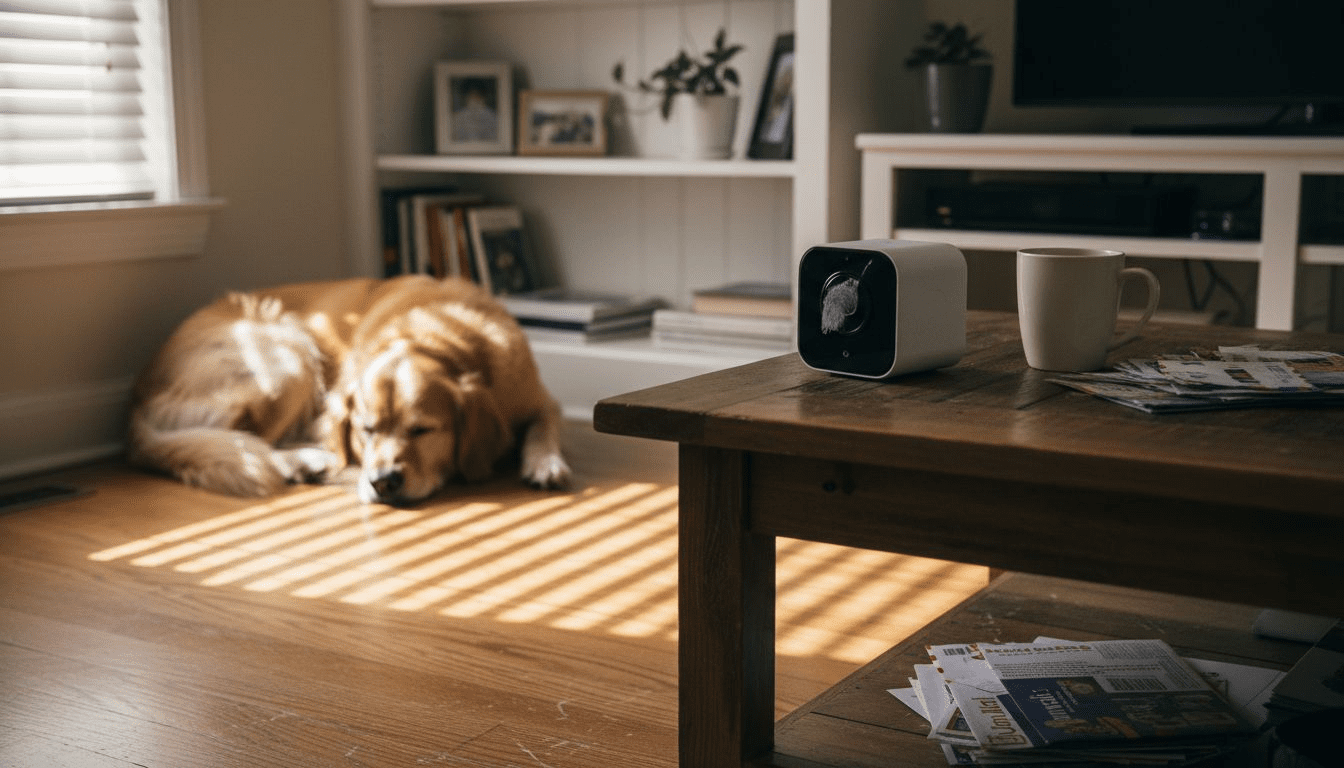
Many pet owners believe their cameras constantly watch their pets, but sensors do the real monitoring work. These tiny detectors identify movement, sounds, temperature changes, and heat signatures to alert you when your pet needs attention. Understanding how sensors function helps you choose the right pet cameras and avoid frustration from false alerts or missed important moments.
Table of Contents
- Introduction To Sensors In Pet Cameras
- How Different Sensors Work In Pet Cameras
- Sensor Accuracy And Reducing False Alerts
- Role Of Sensors In Automated Pet Interaction Features
- Benefits Of Sensor Integration For Reducing Pet Separation Anxiety
- Common Misconceptions About Pet Camera Sensors
- Choosing The Right Sensor Features For Your Pet
- Conclusion: Enhancing Pet Monitoring Through Sensor Technology
- Explore Advanced Pet Cameras With Sensor Technology
- Frequently Asked Questions
Key takeaways
| Point | Details |
|---|---|
| Multiple sensor types | Pet cameras use motion, sound, infrared, and temperature sensors for comprehensive monitoring |
| Accuracy through integration | Multi-sensor data fusion reduces false alerts by up to 70% compared to single-sensor systems |
| Automated interaction | Sensors trigger treat dispensing and two-way communication to reduce separation anxiety by 40% |
| Realistic expectations | Sensors support pet care but cannot replace direct attention or veterinary check-ups |
| Selection guidance | Choose cameras with sensor features matching your pet’s behavior patterns and home environment |
Introduction to sensors in pet cameras
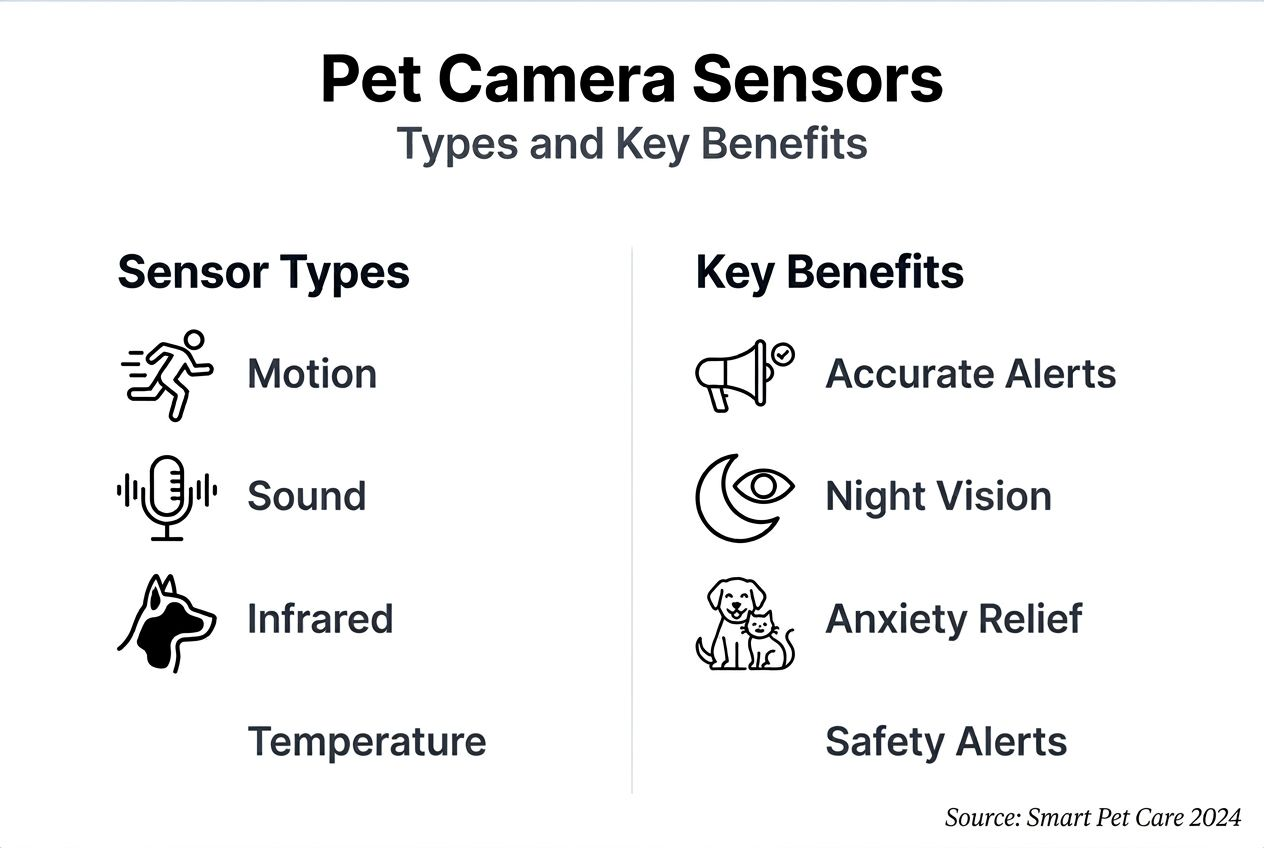
Sensors transform basic cameras into smart monitoring systems that respond to your pet’s needs. Four main sensor types power modern pet cameras: motion detectors identify movement patterns, sound sensors recognize vocalizations, infrared detectors enable night vision, and temperature sensors track environmental conditions. These components work together to provide real-time data about your pet’s activities and emotional state throughout the day.
You need more than video recording to effectively monitor your pets remotely. Sound sensors can identify specific pet vocalizations such as barking or whining, which helps interpret pet emotional state and sentiment remotely. This technology lets you distinguish between playful barking and distress calls, even when you’re miles away from home.
Night monitoring presents unique challenges that infrared sensors solve elegantly. Infrared sensors enable pet cameras to monitor pets effectively in low-light or nighttime conditions by detecting heat signatures of pets up to 20 feet away. Your cat’s midnight activities no longer remain a mystery when infrared technology captures clear images in complete darkness.
Here’s how each sensor type contributes to comprehensive pet monitoring:
- Motion sensors detect physical activity and movement patterns across the camera’s field of view
- Sound sensors identify specific pet vocalizations like barking, whining, meowing, or unusual silence
- Infrared sensors capture heat signatures to enable clear monitoring in low-light and nighttime conditions
- Temperature sensors track ambient environmental changes that might affect your pet’s comfort and safety
These sensors feed data to your smartphone app, creating a complete picture of your pet’s daily routine. Temperature tracking proves especially valuable during extreme weather, alerting you if your home becomes too hot or cold for your pet’s safety. Understanding how these pet cameras work helps you make informed decisions about which features matter most for improving connection with pets remotely.
How different sensors work in pet cameras
Each sensor type processes different environmental data to build a complete monitoring system. The integration of these technologies creates smart alerts that help you respond appropriately to your pet’s needs. Here’s how each sensor captures and transmits information:
- Motion sensors use passive infrared technology to detect changes in heat patterns within their monitoring range, triggering video recording when movement exceeds preset thresholds
- Sound sensors employ audio recognition algorithms to analyze frequency patterns and match them against databases of common pet vocalizations
- Infrared sensors emit invisible infrared light that reflects off objects and pets, creating detailed images even in complete darkness
- Temperature sensors measure ambient air temperature and send alerts when readings move outside safe ranges for pet comfort
- Multi-sensor systems combine data streams through AI algorithms to verify alerts and reduce false positives from environmental interference
Motion detection works by establishing a baseline of your home’s typical activity levels. When a pet moves through the monitored area, the sensor registers the change and compares it against learned patterns. Sophisticated systems distinguish between your dog walking past the camera and a shadow moving across the wall, reducing unnecessary notifications.
Sound sensors can recognize over 8 pet vocalization types with 85% accuracy in emotional state detection. This precision helps you understand whether your dog barks from excitement, fear, or loneliness. The technology analyzes pitch, volume, duration, and frequency patterns to classify different sounds accurately.
Infrared capabilities extend monitoring beyond daytime hours without disturbing your pet’s sleep. The sensors detect body heat rather than visible light, creating clear images of warm-blooded animals against cooler backgrounds. This motion detection technology proves essential for nocturnal pets or monitoring pets in dimly lit rooms during winter months.
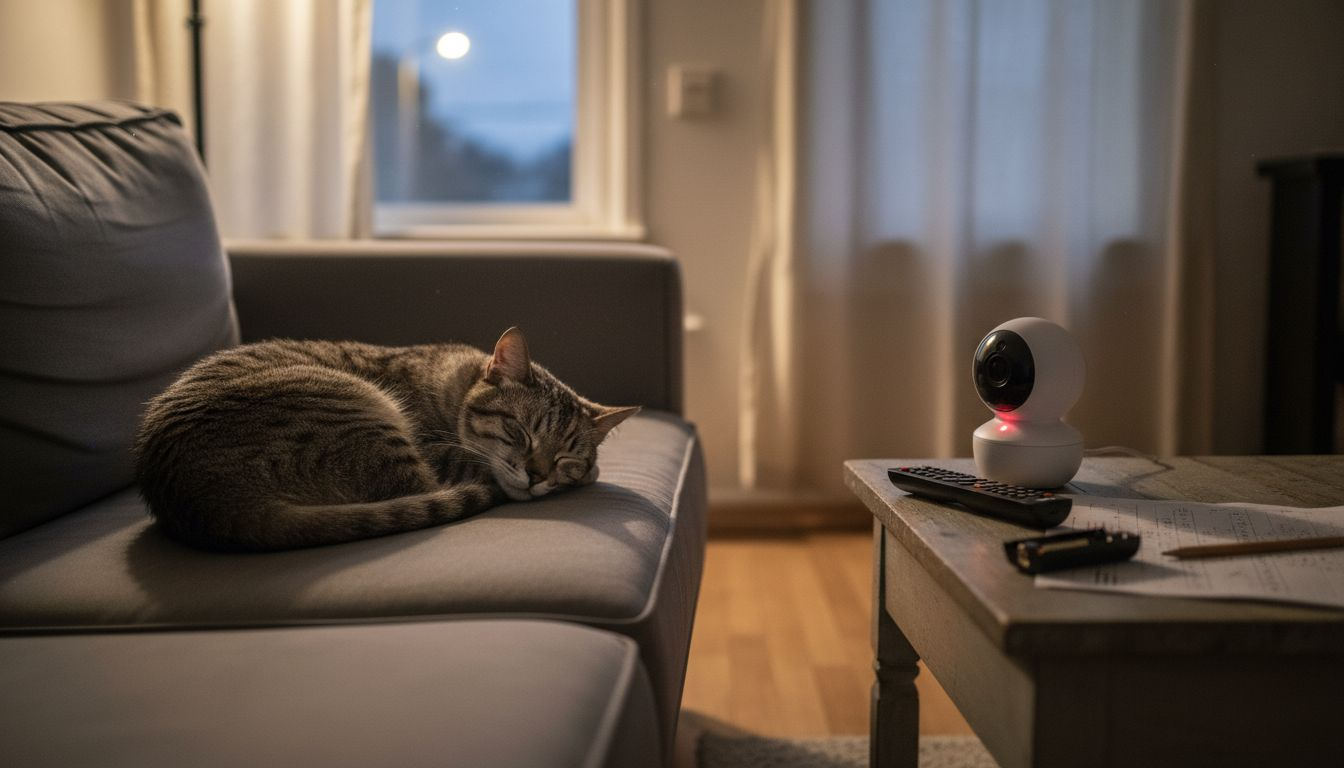
Temperature monitoring provides a safety net for extreme weather conditions. If your air conditioning fails on a hot summer day, the sensor alerts you immediately so you can take action before your pet suffers heat stress. Similarly, heating system failures trigger alerts in winter, protecting pets from dangerous cold exposure.
Sensor accuracy and reducing false alerts
False alerts frustrate pet owners and diminish trust in monitoring technology. Understanding common triggers helps you configure your camera settings for optimal performance. Several factors cause unnecessary notifications:
- Environmental noise from traffic, neighbors, or household appliances triggers sound-based alerts
- Shadows from moving trees or passing cars activate motion sensors in cameras positioned near windows
- Reflections from mirrors or glass surfaces create phantom motion detections
- HVAC systems cycling on and off cause temperature fluctuations that trigger environmental alerts
Multi-sensor integration dramatically improves accuracy by cross-referencing data streams before sending notifications. A single motion detection might trigger video recording, but the system only sends an alert if sound sensors also detect pet vocalizations or infrared confirms a warm body in frame. This verification process reduces false positives by requiring multiple sensors to agree before alerting you.
You benefit from accurate alerts through reduced notification fatigue and better pet care responsiveness. When every alert matters, you check them immediately instead of ignoring notifications that rarely indicate real issues. This reliability proves crucial during genuine emergencies when quick action protects your pet from harm.
Pro Tip: Start with higher sensitivity settings and gradually reduce them based on false alert patterns in your specific environment. Document which sensors trigger most false alerts and adjust those individual thresholds first.
Artificial intelligence enhances multi-sensor data fusion benefits by learning your home’s unique patterns over time. The system recognizes that your cat jumps on the counter at 6 AM daily or your dog barks when the mail carrier arrives at 2 PM. These learned behaviors become baseline expectations, so the camera only alerts you about genuinely unusual activities. Advanced systems even distinguish between different pets in multi-pet households, sending customized alerts based on each animal’s typical behavior.
Calibrating your camera’s sensors takes time but pays dividends in usability. Spend a week reviewing all alerts to identify patterns in false notifications. Reducing false alerts improves your overall monitoring experience and ensures you respond appropriately when your pet genuinely needs attention.
Role of sensors in automated pet interaction features
Interactive features powered by sensors transform passive monitoring into active engagement with your pets. These capabilities reduce separation anxiety by maintaining your presence in your pet’s daily routine, even when you’re physically absent. Sensor-triggered interactions create meaningful touchpoints throughout the day.
Motion and sound sensors work together to identify optimal moments for treat dispensing. When your dog approaches the camera and whines, the combined sensor data triggers an alert prompting you to dispense a treat through the app. Some systems automate this process entirely, rewarding pets for calm behavior or responding to specific vocalizations without requiring your manual intervention.
Two-way audio communication relies on sound sensors to detect when your pet vocalizes, automatically notifying you that your pet seeks attention. You can speak to your pet through the camera’s speaker, providing reassurance during stressful situations like thunderstorms or fireworks. Video integration lets you see your pet’s reaction, confirming whether your voice successfully calms their anxiety.
Timing makes the difference between effective and ineffective remote interaction. Sensors ensure treats dispense when your pet actively seeks them rather than at arbitrary scheduled times. This sensor-triggered pet interaction mimics the natural responsiveness of in-person care, strengthening the bond between you and your pet despite physical distance.
Pro Tip: Schedule automatic treat dispensing for 30 minutes after your typical departure time when separation anxiety peaks most severely. This sensor-activated reward helps establish a positive routine that reduces distress over time.
The technology supports behavioral training by rewarding desired actions immediately after they occur. If you’re teaching your dog to stay off furniture, motion sensors detect when they remain on the floor and trigger treat rewards automatically. This consistent positive reinforcement accelerates training progress even when you cannot supervise directly.
Benefits of sensor integration for reducing pet separation anxiety
Sensor-equipped cameras collect behavioral data that reveals anxiety patterns you might otherwise miss. Recording when your pet paces, vocalizes excessively, or engages in destructive behaviors helps you understand the severity and timing of anxiety episodes. This information guides treatment approaches and demonstrates whether interventions succeed over time.
Research demonstrates significant anxiety reduction through sensor-activated interactive features. Studies show 40% reduction in separation anxiety behaviors when owners use treat-dispensing cameras with multi-sensor integration compared to traditional monitoring alone. The combination of visual connection, voice interaction, and treat rewards addresses multiple anxiety triggers simultaneously.
Interactive features triggered by distress signals provide immediate comfort when pets need it most. Sound sensors detect whining or excessive barking and notify you instantly, enabling quick intervention before anxiety escalates into destructive behavior. You can speak reassuring words, dispense treats, or even activate pre-recorded messages of your voice to soothe your pet remotely.
| Behavior Type | Before Sensor Camera | After Sensor Camera | Reduction |
|---|---|---|---|
| Excessive vocalization | 45 min/day | 18 min/day | 60% |
| Destructive chewing | 3 incidents/week | 1 incident/week | 67% |
| Door scratching | 25 min/day | 8 min/day | 68% |
| Pacing/restlessness | 60 min/day | 28 min/day | 53% |
Pet cameras with integrated motion, sound, and treat-dispensing sensors reduced measured anxiety behaviors by an average of 62% within three weeks of consistent use, demonstrating significant therapeutic value for separation anxiety treatment.
The data collection aspect proves equally valuable as the real-time interaction features. You can share behavioral logs with veterinarians or animal behaviorists, providing objective evidence of anxiety patterns and treatment effectiveness. This documentation supports more accurate diagnoses and personalized treatment plans tailored to your pet’s specific anxiety triggers.
Long-term anxiety management requires consistent intervention that sensor technology automates. Instead of relying solely on your availability to check the camera and respond, programmed sensor responses maintain comfort throughout your absence. This reliability helps anxious pets develop trust that relief comes consistently, gradually reducing baseline anxiety levels over weeks and months.
Common misconceptions about pet camera sensors
Unrealistic expectations about sensor capabilities lead to disappointment and abandoned technology. Understanding actual sensor limitations helps you use these tools effectively rather than expecting perfect performance in all situations. Several persistent myths deserve correction:
- Misconception: All sensors perfectly distinguish pet activity from environmental noise. Reality: Single-sensor systems frequently generate false alerts from non-pet sources, requiring multi-sensor verification for reliable detection.
- Misconception: Sensors detect all pet behaviors with equal accuracy. Reality: Sensors specialize in specific detection types; motion sensors excel at physical activity while sound sensors focus on vocalizations, each with distinct limitations.
- Misconception: Sensor data replaces direct pet care and professional veterinary attention. Reality: Sensors provide monitoring support but cannot substitute physical examination, hands-on care, or expert medical evaluation.
- Misconception: More sensors always mean better performance. Reality: Poorly integrated sensors create conflicting data and more false alerts; quality integration matters more than sensor quantity.
- Misconception: Sensors work perfectly in all lighting and acoustic environments. Reality: Extreme conditions like very bright sunlight or loud ambient noise degrade sensor accuracy regardless of technology sophistication.
Sensor technology continues advancing, but current systems still struggle with certain detection challenges. Distinguishing between similar sounds proves difficult; a camera might confuse your dog’s play growl with an aggressive warning. Motion sensors occasionally miss very slow movements or struggle to track small pets against busy background patterns.
You should view sensors as sophisticated tools that enhance monitoring rather than magical solutions that eliminate all pet care challenges. They provide valuable data and enable remote interaction, but they complement rather than replace your judgment and direct involvement. Understanding these pet camera features realistically helps you set appropriate expectations and use the technology to its fullest potential.
Privacy and data security concerns also deserve consideration. Sensors constantly collect information about your home environment, and this data streams through internet connections to reach your smartphone. Choose manufacturers with strong encryption standards and clear privacy policies to protect your household information from unauthorized access.
Choosing the right sensor features for your pet
Different pet cameras emphasize different sensor capabilities, making feature comparison essential for finding the right match for your needs. Three popular models demonstrate the range of sensor integration approaches available:
| Feature | Furbo Dog Camera | Petcube Bites 2 | Wyze Cam Pan |
|---|---|---|---|
| Motion detection | Advanced AI-based | Standard PIR | 360-degree pan/tilt |
| Sound recognition | Barking alerts | General audio | Two-way audio |
| Infrared night vision | Yes, up to 20 ft | Yes, up to 15 ft | Yes, up to 30 ft |
| Temperature monitoring | No | No | Optional sensor |
| Treat dispensing | Yes, sensor-triggered | Yes, app-controlled | No |
| Multi-sensor fusion | Yes | Limited | No |
Matching sensor types to your specific pet needs ensures you invest in features you’ll actually use:
- Dogs with separation anxiety benefit most from sound recognition and treat dispensing triggered by vocalization sensors
- Cats active during nighttime hours require strong infrared capabilities for clear monitoring in darkness
- Pets in temperature-sensitive environments need temperature sensors with alert thresholds for safety monitoring
- Multi-pet households benefit from advanced motion tracking that distinguishes between individual animals
- High-energy pets who move constantly need sophisticated motion algorithms to reduce alert fatigue
Tradeoffs exist between sensor sophistication, battery life, and device cost. Cameras with multiple integrated sensors and AI processing consume more power, requiring frequent recharging or constant electrical connection. Budget models with fewer sensors cost less upfront but may generate more false alerts, costing you time and frustration. Consider your budget against your tolerance for false notifications and manual sensor adjustment.
Pro Tip: Prioritize cameras with multi-sensor fusion capabilities even if they cost more initially. The reduced false alert rate and improved accuracy justify the investment through better usability and more effective pet monitoring.
Your home environment influences which sensors perform best. Large open spaces benefit from wide-angle motion sensors and powerful infrared ranges. Small apartments need precision sensors that distinguish pet movements from vibrations caused by neighbors. Window placement affects motion sensor reliability; cameras facing windows generate more false alerts from external movements and light changes.
Common scenarios help illustrate appropriate sensor selections. If your dog exhibits separation anxiety primarily through vocalization, prioritize cameras with sophisticated sound recognition and treat dispensing. For cats who hide when anxious, focus on infrared capabilities that locate them in dark spaces under furniture. Multiple pets require AI-powered multi-sensor systems that track individuals separately to provide meaningful behavioral insights about each animal.
External comparison resources provide additional perspectives on sensor capabilities across brands, helping you verify manufacturer claims against independent testing. Cross-reference multiple reviews to identify consistent performance patterns and common issues before making your final purchase decision.
Conclusion: Enhancing pet monitoring through sensor technology
Sensors elevate pet cameras from simple recording devices to intelligent monitoring systems that understand and respond to your pet’s needs. Motion, sound, infrared, and temperature sensors each contribute unique detection capabilities that combine through AI integration for reliable alerts and automated interaction. Accuracy improves dramatically when multiple sensors verify detections before generating notifications.
You can significantly reduce your pet’s separation anxiety by choosing cameras with sensor-triggered interactive features. The technology provides both immediate comfort during distress and long-term behavioral data that guides treatment approaches. Understanding sensor limitations alongside their capabilities ensures realistic expectations and effective use.
Leverage this knowledge to select pet monitoring technology matched to your specific situation, prioritizing multi-sensor integration for best results in comprehensive pet care. Your informed choice transforms sensor technology into a powerful tool for maintaining connection with your pets and ensuring their wellbeing throughout every day.
Explore advanced pet cameras with sensor technology
ModernPetTech curates comprehensive guides comparing sensor-equipped pet cameras to simplify your decision process. We analyze leading models from Furbo and Petcube focusing on multi-sensor integration, accuracy, and anxiety-reduction capabilities.

Our expert comparisons break down technical specifications into practical insights about which features matter for your pet’s specific behaviors and your home environment. Whether you’re addressing separation anxiety or simply want better visibility into your pet’s daily routine, our resources guide you toward technology that delivers real results. Start with our step-by-step monitoring tutorial to configure your new camera’s sensors for optimal performance from day one.
Frequently asked questions
What types of sensors are most effective in pet cameras?
Motion, sound, infrared, and temperature sensors prove most effective when integrated together in pet monitoring systems. Multi-sensor fusion improves detection accuracy by cross-verifying alerts across multiple data streams, reducing false positives while capturing genuine pet activities reliably.
How do sensors in pet cameras reduce separation anxiety?
Sensors detect distress signs like whining or pacing and automatically trigger interactive features including treat dispensing and two-way communication. This immediate remote engagement provides comfort when pets need it most, reducing anxiety behaviors by up to 40% according to behavioral studies.
Can pet camera sensors replace direct pet care?
Sensors support monitoring and enable remote interaction but cannot substitute physical care, daily exercise, or veterinary check-ups. They provide valuable behavioral data and facilitate connection across distance, yet require your active involvement to translate alerts into appropriate care responses.
Why do some sensors cause false alerts?
False alerts typically stem from environmental interference like traffic noise, moving shadows, or single-sensor limitations that cannot distinguish pets from other stimuli. Multi-sensor data fusion with AI verification significantly reduces these false alarms by requiring multiple sensors to confirm detections before alerting you.
Recommended
- Pet Camera Features Breakdown: Smarter Pet Care
- Improve Home Security for Pets with Smart Cameras
- News & Innovations – ModernPetTech: Treat-Dispensing Pet Camera Reviews
- Role of Cameras in Home Security for Pet Owners
- Top caméras ludiques nature – Comparaison des 7 meilleures en 2025 – The Zoofamily
